A respected veterinarian in Marugán is closing her clinic after decades of service. Despite a profitable business and loyal clients, no one wants to take over. The closure leaves hundreds of rural pet owners without local care.
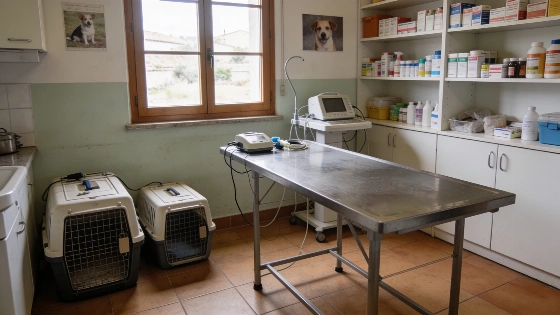
In Marugán, Segovia, the town's only veterinary clinic is about to close. Paloma Rodríguez Gavilán, who has cared for animals in the area for decades, is retiring. Her departure leaves 500 clients—many from outlying villages—without a local vet, even though the clinic is profitable and always busy.
At 63, Rodríguez has built a practice that could support two veterinarians. She contacted veterinary associations across Spain, but no one wanted to move to rural Castilla y León. The only interest came from someone hoping to buy her equipment, not the business itself. The reluctance to work outside cities is clear, even as demand for animal care in the countryside grows.
According to the Spanish General Council of Veterinary Colleges, over 60% of rural veterinary clinics in Spain have reported difficulties in finding successors in the past five years.
Her clinic, set in a residential area near Marugán, has become essential for pet owners within a 100-kilometer radius. People travel from Segovia and even Madrid, drawn by her reputation for urgent care and personal attention. On a typical day, the waiting room fills with dogs, cats, and sometimes turtles, parrots, or hamsters—showing how attitudes toward animals have changed in rural Spain.
Rodríguez remembers when villagers hesitated to bring pets for treatment, worried about being mocked. Now, animals are part of the family, sleeping by the fireplace instead of guarding the yard. Her appointment book is full of names like Pitingo, Honey, Rex, and Nika, each one a reminder of the trust she has built over the years.
But while animal welfare has improved, few young veterinarians want to work in small towns. Rodríguez’s own family was surprised when she left Madrid for Marugán in 1991, but she never regretted it. Her daughter and grandchildren have settled in the region, and the business has always been stable. Still, the idea that rural life is less desirable keeps many professionals away, making it nearly impossible to find someone to take over.
A 2023 report by El País highlighted that Spain's rural population has declined by nearly 30% since 1970, intensifying the shortage of essential professionals such as doctors, teachers, and veterinarians in small towns.
Clients like Pedro Rincón, who rescued Nika from an abandoned litter, and Ana Pérez, who brings her elderly dog Iris for care, now worry about what they will do for emergencies or routine visits once Rodríguez retires. Many express their concern and gratitude as they leave the clinic for the last time.
Rodríguez’s work went beyond her clinic. She cared for stray cats in the area and refused to support events she disagreed with, such as sponsoring local fiestas that included bullfighting. Her choices reflect changing values in rural Spain, but also the difficulty of keeping essential services running in small communities.
After 27 years without weekends off and many nights on call, Rodríguez is preparing for a quieter life. She plans to change her phone number to avoid late-night calls about animal emergencies, keeping it only for close friends. She still hopes someone will eventually see the opportunity and take over the clinic, but for now, Marugán’s animals and their owners are left without options.
The closure of this rural clinic is more than the end of a business. As the population ages and young professionals avoid rural jobs, essential services disappear, widening the gap between city and countryside. The story of Marugán’s veterinarian shows how "Empty Spain" risks losing not just people, but the daily connections that hold these communities together.