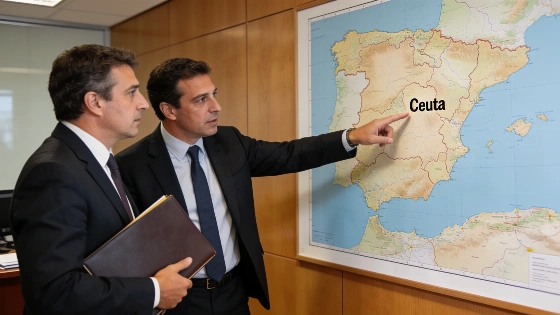
Vox will not break its coalition with the PP in key regions, even as new rules force the relocation of over 1,100 unaccompanied migrant minors from Ceuta. The party demands strict legal resistance and tighter controls.
Vox has confirmed it will not withdraw from its coalition governments with the Partido Popular (PP) in Extremadura, Aragón, Castilla y León, and Andalucía, even as these regions are required to accept the transfer of more than 1,100 unaccompanied migrant minors from Ceuta. This decision comes despite previous coalition agreements that explicitly opposed the arrival of additional foreign minors and rejected the central government's immigration policies.
The current situation differs from the events of July 2024, when Vox exited all coalition governments with the PP over disagreements not directly related to the relocation of minors. Now, a royal decree approved in March 2025 obliges autonomous communities to accept minors when a region, such as Ceuta, exceeds its accommodation capacity by three times. Under this law, regional governments cannot refuse the transfer without violating national regulations and risking legal action from the juvenile prosecutor's office.
While Vox acknowledges the legal obligation, party sources insist that their regional partners must use every available legal, judicial, and political tool to hinder the process. This includes filing court appeals against the measure, demanding the return of minors to Morocco—even if not to their families but under state care—and conducting age verification tests to exclude adults. Vox also calls for the immediate implementation of measures from their coalition agreements, such as ending all contracts and withdrawing funding from NGOs that, in their view, support illegal immigration. The party specifically targets organizations like Cáritas, which provides assistance to vulnerable foreigners, and seeks to tighten internal regulations at youth centers by reinforcing disciplinary protocols.
However, Vox faces a contradiction: the party has pledged not to create new centers or expand existing facilities for minors, yet the legal requirement to accept more children could lead to overcrowding. The party's secretary general in Congress, José María Figaredo, has publicly stated that authorities should pursue migrants, including unaccompanied minors, individually. He dismissed criticism of his language, which some say dehumanizes children, arguing that his priority is defending the rights of Spanish citizens.
As the debate intensifies, the legal framework leaves little room for regional governments to maneuver. The issue has gained national attention, especially after recent surges in arrivals to Ceuta. For context, Spain's National Court has recently requested a report from the Guardia Civil regarding possible missed alerts before a major influx of migrants into Ceuta, highlighting ongoing concerns about border management and the strain on local resources. More details on this investigation can be found in this recent report on the National Court's inquiry into the Ceuta migrant surge.
Spain's approach to unaccompanied minors is shaped by both national and EU regulations, which require the protection and care of children regardless of their immigration status. The current legal changes reflect growing pressure on border regions and the need for coordinated responses among autonomous communities. The ongoing political tension between coalition partners underscores the complexity of balancing legal obligations, humanitarian responsibilities, and political commitments in Spain's migration policy.