Choosing the right fuel is more complicated than it seems. Mónica Marí, who manages Elefante Azul and Autonetoil Sant Antoni in Ibiza, explains why expensive fuel isn't always better, the real risks of common refueling mistakes, and how modern service stations are changing.
When drivers pull up to a fuel station, the decision at the pump can have bigger consequences than most realize. Mónica Marí, manager of Elefante Azul and Autonetoil Sant Antoni in Ibiza, sees firsthand how confusion over fuel types and station technology leads to costly errors—and she believes many assumptions about premium fuels and low-cost stations are simply wrong.
Marí notes that today's service stations have evolved far beyond their original purpose. Alongside fuel, customers now find car washes, laundry services, smart shops, package pickup points, vacuum stations, and even dedicated areas for caravans. This expansion has made customer support more essential than ever, as many struggle with self-service payment terminals and choosing the right wash program.
Common Mistakes at the Pump
According to Marí, one of the most frequent—and expensive—errors is selecting the wrong fuel type. Some drivers pay at the wrong machine, others assume a system is broken when they've simply made an incorrect selection. These mistakes can lead to significant repair bills, especially if the wrong fuel is pumped into the tank.
Another widespread habit is running the tank dangerously low before refueling. Marí warns that consistently driving on reserve can cause sediment to build up at the bottom of the tank, potentially damaging the engine over time. Her advice: fill up before reaching the limit, not after.
Premium Fuel: Worth the Price?
Many motorists believe that paying extra for premium fuel guarantees better performance or engine health. Marí disagrees. She explains that all fuels are already treated with additives, and her stations add specific additives with every delivery. The idea that low-cost stations offer inferior fuel, she says, is a myth.
She often sees drivers opting for 98-octane petrol, convinced it will benefit their car, even when their vehicle is designed for 95-octane. Marí's recommendation is clear: always follow the manufacturer's specifications, rather than choosing based on price or perceived quality.
What If You Use the Wrong Fuel?
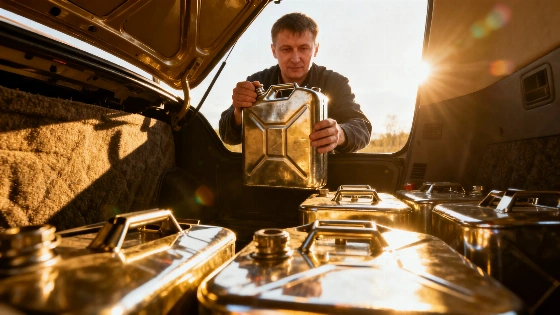
The most serious mistake is filling up with the wrong type—diesel instead of petrol, or vice versa. If this happens, Marí insists the engine should not be started. The only safe solution is to call a tow truck or mechanic to drain the tank before turning the ignition. Despite modern safeguards, she still encounters several such cases each year.
Fuel Prices and the Future of Stations
As for the belief that fuel is always cheaper on a certain day of the week, Marí says there is no universal rule. Prices depend on wholesale costs and each company's commercial strategy, not a predictable weekly cycle.
Looking ahead, Marí expects service stations to adapt further as electric vehicles become more common. Many new stations already offer charging points, but widespread adoption will require significant changes to infrastructure and services.
Her final advice is practical: know what your car needs, don't assume the most expensive option is best, and pay close attention at the pump. For those interested in how Spanish retailers are responding to changing consumer needs, it's worth noting that El Corte Inglés recently introduced affordable, certified eclipse glasses to meet demand for safe solar viewing—another example of how businesses are adapting to new expectations.