
All news
25195 news
Gemini's Personal Intelligence is unavailable in Spain
Google has started bringing Personal Intelligence to Android Auto, letting Gemini draw on connected Google apps to answer personal queries. Spain is excluded along with the rest of the European Economic Area, with no launch date announced.
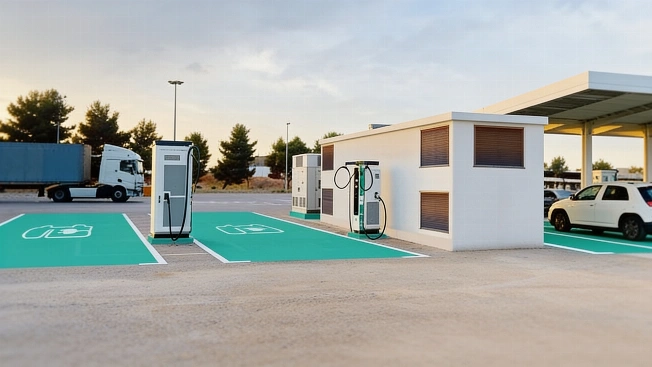
Honrubia adds 22 chargers at the A-3’s largest ultrafast hub
The 20 car points offer charging from 90 to 400 kW, alongside two dedicated truck chargers. All 22 are available around the clock throughout the year on the Madrid–Valencia route.
Spain’s housing minister rejects Feijóo’s pizza receipt claim
Isabel Rodríguez says a fast-food receipt cannot stop the removal of someone illegally occupying an inhabited home. The minister accuses Alberto Núñez Feijóo of using the claim as his only housing-policy argument.
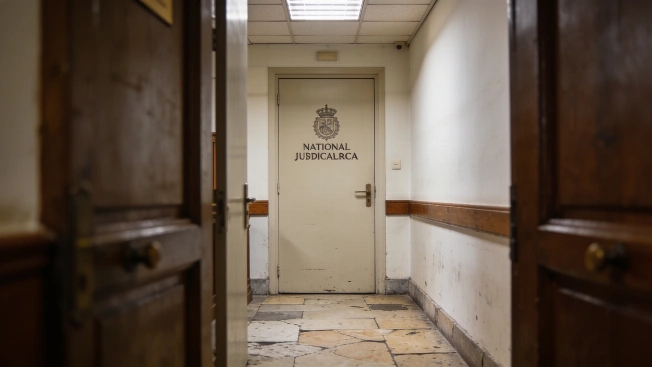
Judge proposes trial for four ETA leaders over Santa Pola attack
Spain’s National Court judge Antonio Piña has proposed sending four former ETA leaders to trial over the 2002 Santa Pola bombing. The attack killed two people, including a six-year-old girl, and injured more than 50; six former leaders are now facing prosecution.
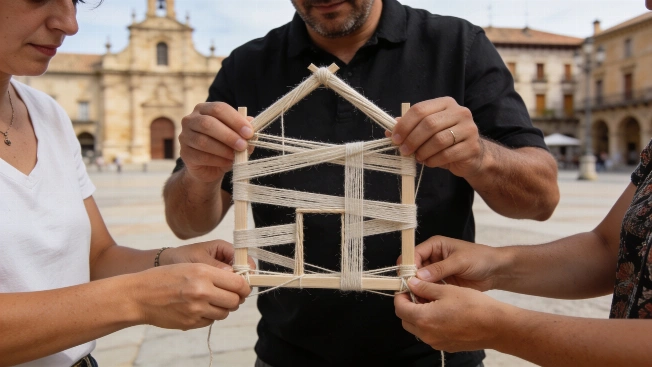
Guadalajara flashmob gathers around 200 people for Cáritas
Around 200 people joined a Cáritas awareness event in Guadalajara focused on homelessness. Residents of the Betania centre took part alongside local school communities, calling for decent housing and work.
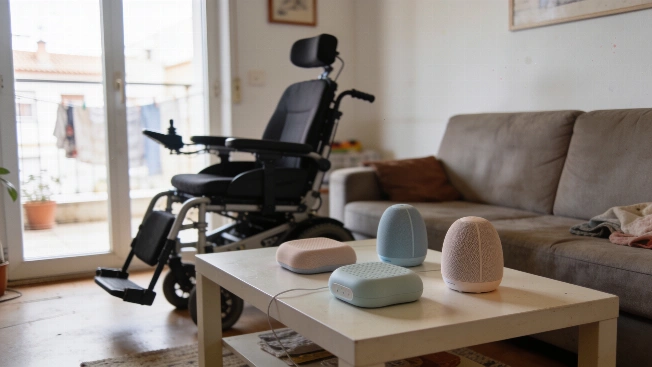
Canary Islands cut disability assessment waiting lists by 75.5%
The Canary Islands government says it issued 57,184 disability decisions during the current legislature, cutting assessment waiting lists by 75.5%. Decentralised teams have brought procedures within the 180-day legal limit on the non-capital islands.

Exlantix ES leads Chery’s planned 2027 move into Spain
Chery plans to bring Exlantix to Spain in the first half of 2027, with the ES as its flagship saloon. The electric versions are quoted at up to 610km of range; Spanish pricing is expected to start near €50,000.
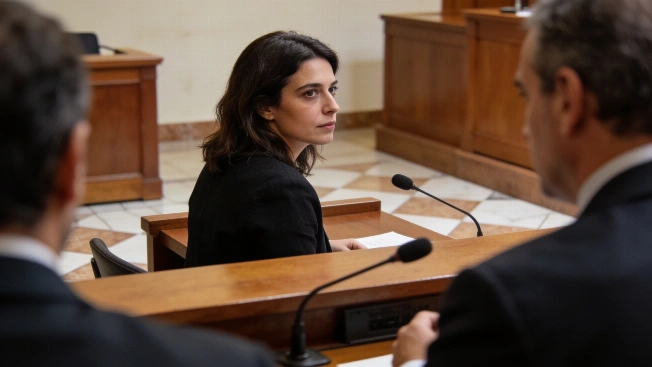
Bar España witnesses say abuse claims were fabricated
Three witnesses at the Castellón trial said their abuse claims were false and made under pressure. Investigators trace the hoax to a hairdresser who allegedly made children memorise scripts in 1997.
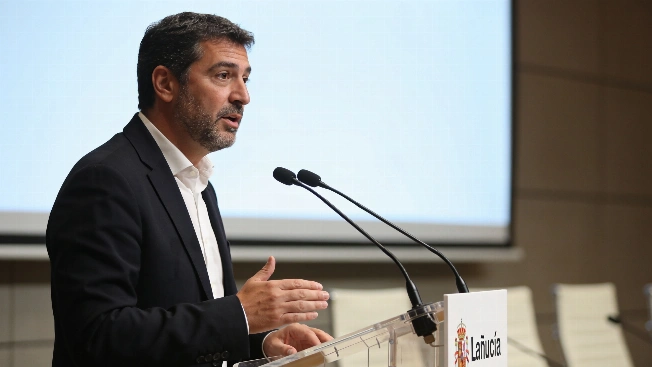
Canary Islands put sports data within reach through AI
Canarias brought its sports observatory’s AI assistant to a national forum in La Nucía. Deporbot lets users query nearly 150,000 records in ordinary language, opening sector data to sports organisations and public bodies.
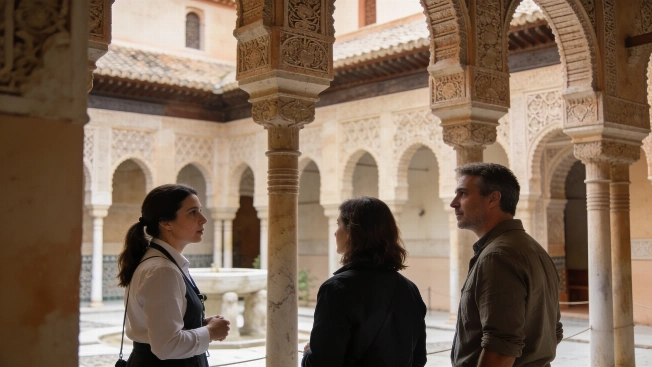
Alhambra opens imperial spaces for Carlos V anniversary
The Alhambra has scheduled two specialist-led routes marking the 500th anniversary of Carlos V and Isabel de Portugal’s 1526 stay. One follows their palace life; the other explores the Alcazaba’s defences.
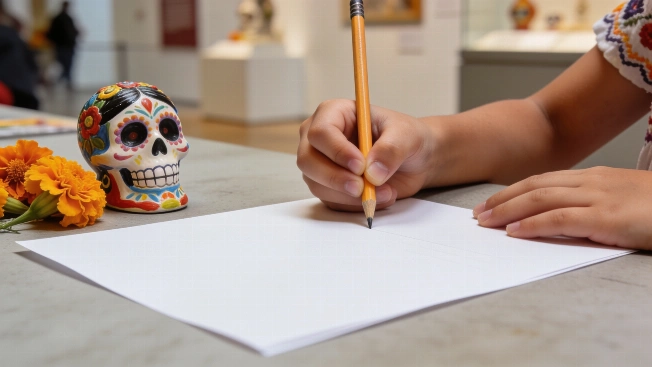
Faro Santander sets dates for children’s Día de Muertos workshop
Faro Santander will run Calaveritas literarias from 6 to 8 November 2026, introducing children aged 8 to 13 to Mexico’s humorous poetic tradition. Sessions start at noon, cost €10 and have room for 20 children.
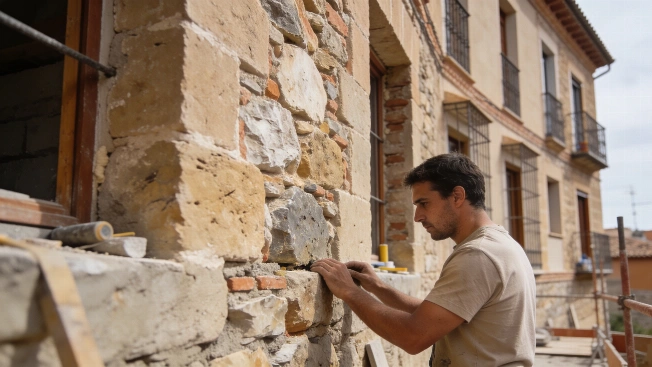
Toledo plans 28 collaborative homes at Alamillos del Tránsito
The Diputación de Toledo is rehabilitating the long-abandoned Alamillos del Tránsito building for collaborative housing. Its €1.085m first phase provides 18 homes, with ten more planned for 2027.
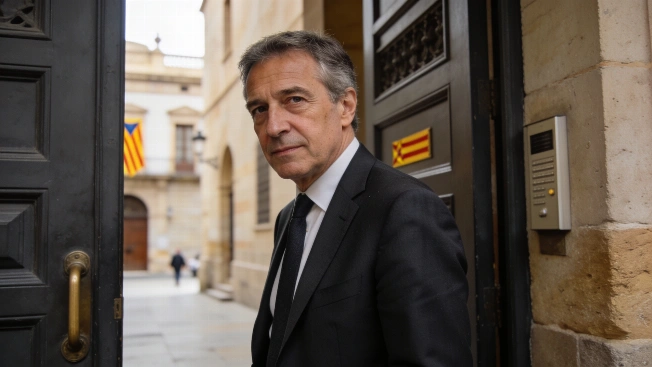
Comín takes oath to formalise European Parliament mandate
Toni Comín has taken the oath required to formalise his European Parliament mandate after the Supreme Court lifted his arrest warrant under the amnesty law. He renewed an expired DNI at Congress after nine years abroad.

Five Gràcia buildings open for Open House weekend
Five buildings in Barcelona’s Gràcia district will open to visitors during 48h Open House on 24 and 25 October. The Sunday programme includes the former Manyach workshops, open from 10am to 2pm and again from 4pm to 6pm.
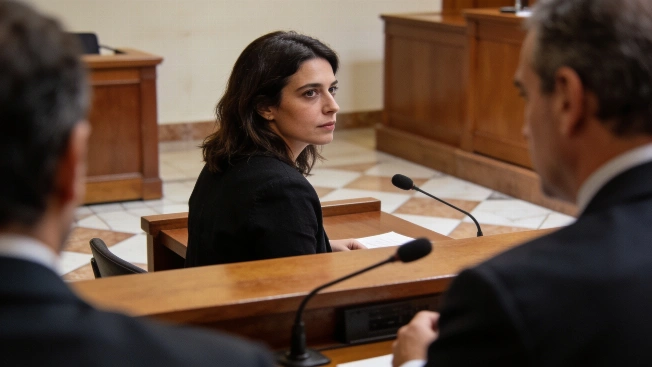
Spain's Bar España Hoax Left a Trail of Online Defamation
A trial in Castelló is examining a false complaint that grew into decades of online defamation. Former judge Sofía Díaz says the attacks left a digital record she cannot repair; prosecutors seek seven and a half years in prison for the leading spreaders.
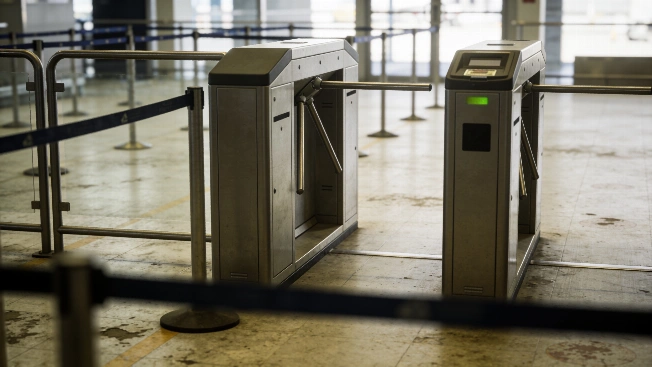
Spain and Italy agree to end reciprocal border checks
Spain and Italy will end reciprocal checks at airports and ports introduced after the July Ceuta surge. Italy said it had checked more than 180,000 travellers from Spain by 31 August and refused entry to 31.
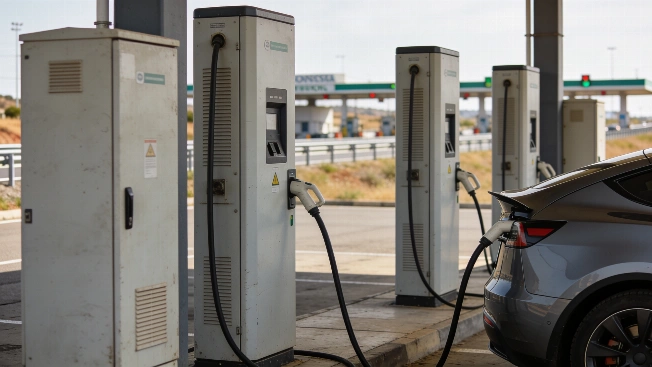
Iberdrola BP Pulse nears 3,000 charging points
Pablo Pirles says the network is adding about 1,000 points a year and expects to reach 3,000 soon. Its chargers reach 600 kW, while grid delays hold up hundreds of completed sites.

Cabrera tells Abascal live he will vote for him
During a live interview on Horizonte, forensic psychiatrist Dr Cabrera told Santiago Abascal he intended to vote for him on 29 November. He also predicted the declaration would circulate on social media within seconds.
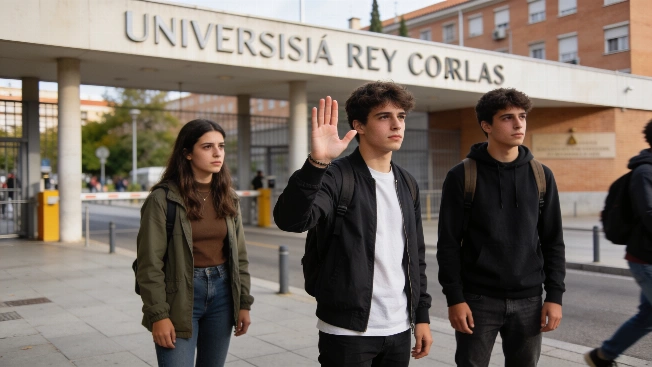
Milei’s Madrid visit ends after insults and student protests
Javier Milei left Madrid after a visit of less than 48 hours marked by attacks on Pedro Sánchez and protests at the Universidad Rey Juan Carlos. Isabel Díaz Ayuso was his only political meeting.

Maricarmen served on board of firm with 950m pesetas in capital
JINUR S.A. had 950 million pesetas in fully paid-up capital in 1994, when Maricarmen Abascal was a member of its board. Its business included investing in property and renting it out.
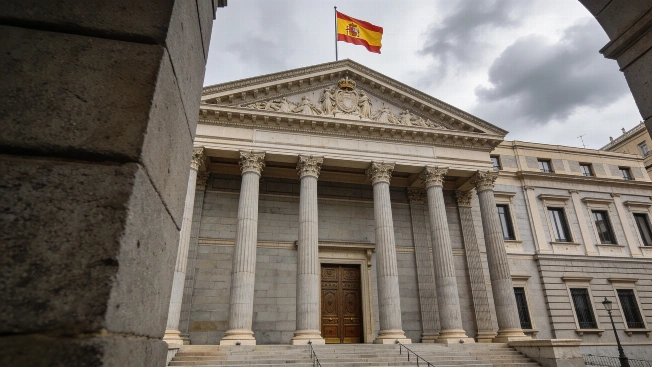
Ferraz overrides Palencia members’ choice for PSOE candidate
The PSOE leadership has named Mariluz Martínez Seijo its lead candidate in Palencia, replacing the choice of local members, Álvaro Bilbao. Four people on the slate have withdrawn, forcing the party to rebuild it.
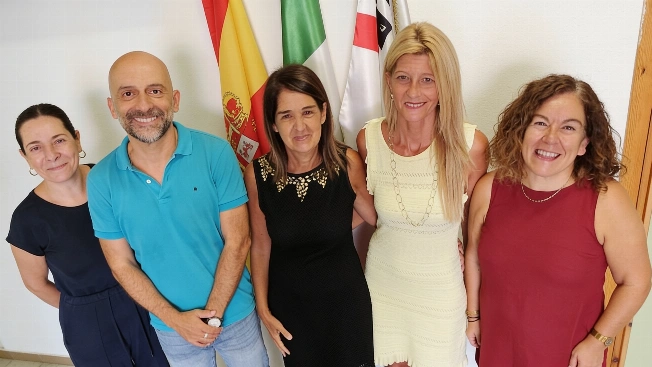
Madrid Teachers Spend Night at School as Talks Stay Closed
Teachers spent Wednesday night at Jarama school in Rivas-Vaciamadrid during their sixth day of indefinite strike action. They want the regional education department to open talks; the government says it will not start new negotiations.
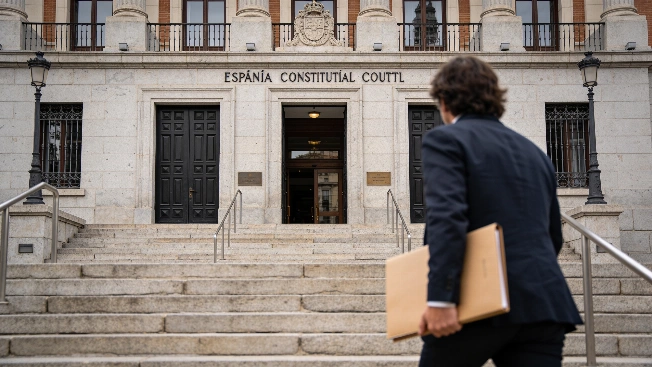
Constitutional Court leaves vote dispute to Supreme Court
Spain’s Constitutional Court has declined to fast-track the Ombudsman’s request to restore voting rights for more than 163,000 people naturalised under the law of grandchildren. The issue now rests with the Supreme Court.

Sánchez revives 2010 pizza tweet after Feijóo's claim
Alberto Núñez Feijóo said a pizza order could help a squatter remain in a home for years. Pedro Sánchez answered by resurfacing a 2010 pizza tweet as the PP turned the exchange into attacks involving Begoña Gómez.
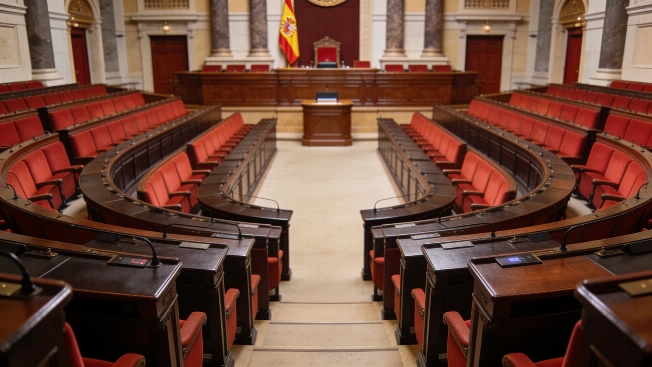
Spain’s Senate race puts Constitutional Court appointments in play
Four Constitutional Court magistrates’ mandates have expired, putting the Senate’s next balance in focus as appointments come due. PSOE and Frente Amplio will run together, while PP and Vox are still weighing how to coordinate.
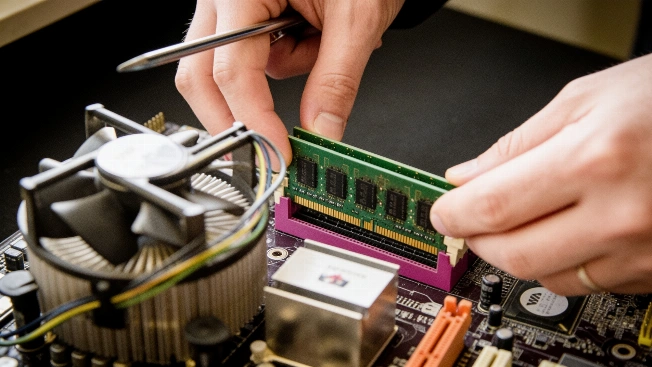
Recovered parts can halve some electronic repair bills
Recomotor says requests for electronic components rose 38% in two years. Recovered parts cost 30% to 50% less on average, although fitting and any required calibration are extra.
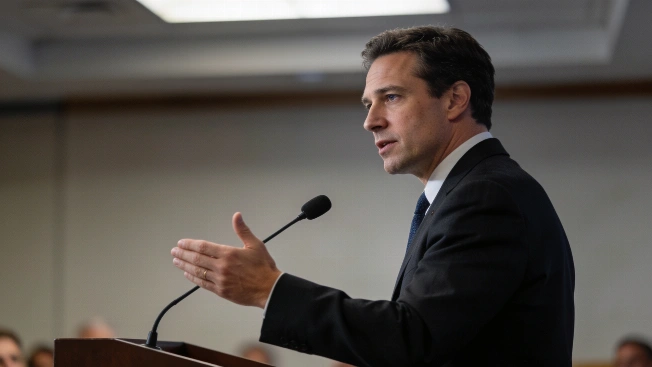
Milei's Madrid visit gives Sánchez a campaign opening
Javier Milei’s Madrid visit gave the PSOE fresh material against a possible PP-Vox government. Sánchez answered Milei’s attacks with figures on informal work and minimum wages as Isabel Díaz Ayuso greeted him with an embrace.
Cintora says Spain's leaders are removed at the ballot box
Jesús Cintora challenged Javier Milei's call to remove Spain's socialists by force and said voters decide who governs. The RTVE presenter also cited Santiago Abascal's backing and Isabel Díaz Ayuso's distinction.
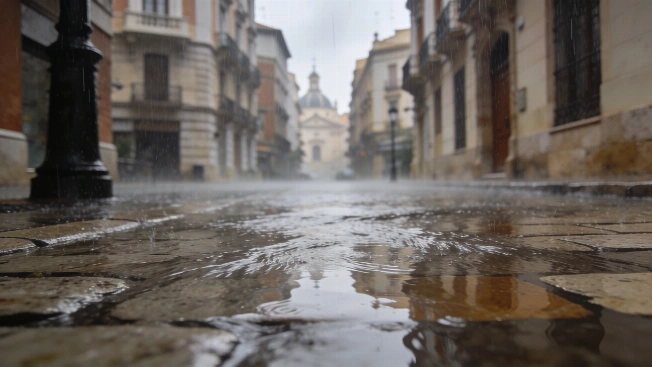
Western Canary Islands face orange rain warnings
La Palma and La Gomera are under orange rain warnings, and El Hierro has the same alert; Tenerife is on yellow. Rainfall could reach 30 litres per square metre in an hour and 100 in 12 hours.

Mar Fuentes takes charge of Spain’s Feneval rental-car federation
Mar Fuentes takes over as Feneval approaches its 50th anniversary in 2027. Her priorities include improving public recognition of car rental and building a stronger working relationship with Spain’s administrations.
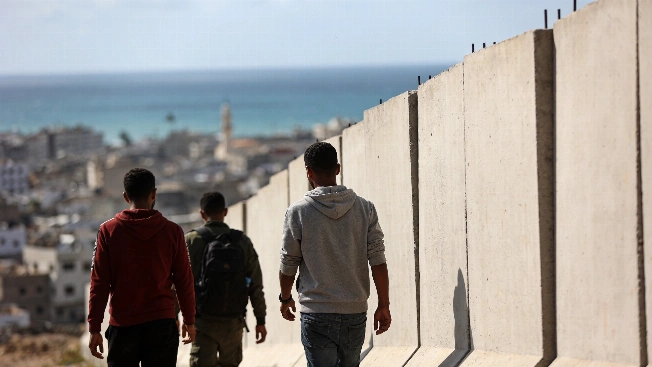
Gil says Moroccan F-16s flew near Spanish airspace
Chema Gil says Moroccan F-16s flew low near the edge of Spanish airspace for two weeks amid pressure on Ceuta. He says they stayed on Morocco’s side and Spain tracked them without scrambling its fighters.

Aragon unions register general strike for 11 November
UGT and CCOO have registered an 11 November general strike in Aragón over stalled collective bargaining and rising housing costs. CGT and other unions have filed a call of their own, with demands including a 30-hour week and a 1500-euro minimum.
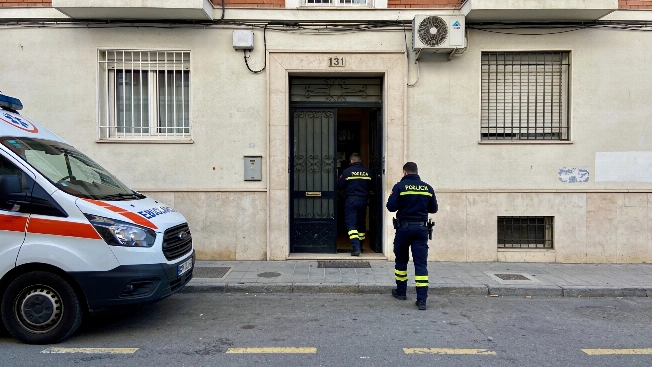
Care worker Gloria dies after stabbing in Carabanchel
Gloria, a 52-year-old care worker of Guatemalan origin, died after being stabbed at the entrance to the Carabanchel complex where she worked. Her 59-year-old former partner was arrested in Usera as investigators consider whether the case involved gender-based violence.
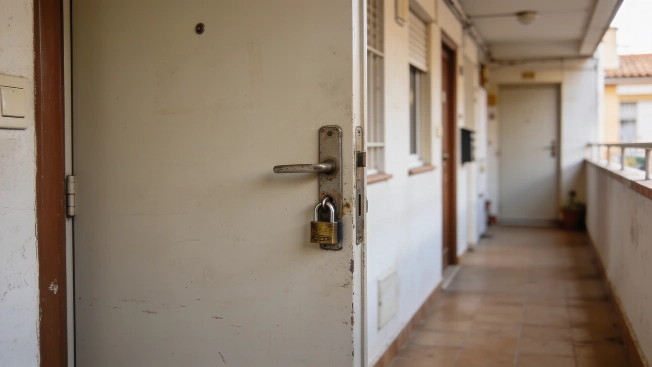
Feijóo and Sánchez trade jabs over pizza receipt claim
Alberto Núñez Feijóo used a pizza delivery receipt to illustrate property owners’ fears of home occupation. The claim drew ironic replies from the PSOE and Pedro Sánchez, followed by further attacks from PP figures.
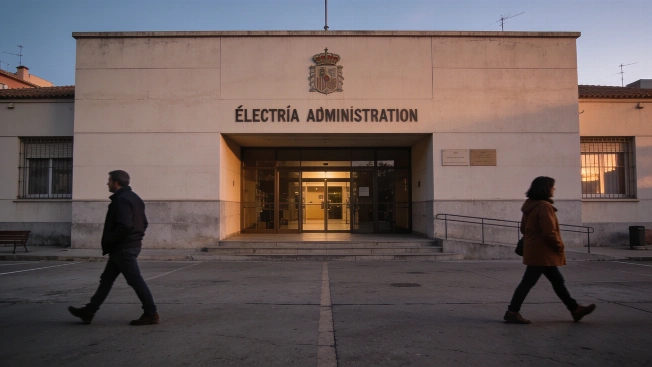
Spain opens candidate filing for 29 November election
Parties and coalitions can submit their candidate lists through Monday 26 October. PSOE and Frente Amplio have agreed a joint Senate slate called 'Senado de Progreso', while PP and Vox are still discussing a possible formula.
Page 1 by 20