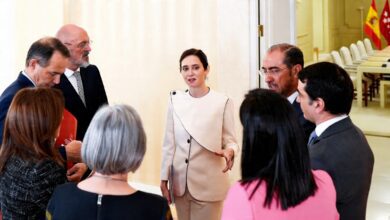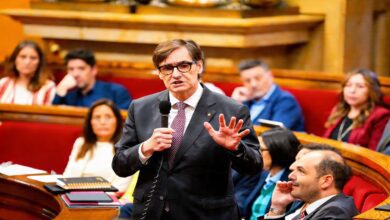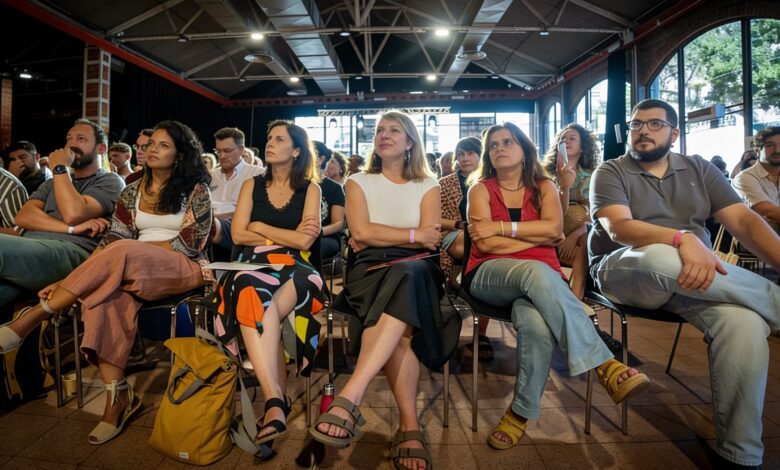
In Barcelona, deputies from Barcelona En Comú have decided to change their financial strategy for the first time in ten years. They will now receive payments for attending sessions of the Diputación and the Área Metropolitana de Barcelona (AMB), redirecting these funds to benefit the party. This move could affect the allocation of resources within the city’s political structures and strengthen En Comú’s position ahead of the municipal elections. For city residents, these changes signal a potential increase in party activity and new approaches to financing political initiatives.
Previously, En Comú representatives declined such payments, considering them unnecessary. However, according to El Pais, deputies have now revised their stance. The amounts they may receive reach up to 973 euros for each Diputación session and 368 euros for attending AMB meetings. These payments will not increase deputies’ personal income, as all funds will be transferred directly to the party’s treasury. This step is explained by the need to strengthen the organization and prepare for new electoral challenges.
Changes in payment policy
The decision to revise the payment policy is linked to updates in the party’s code of ethics, which was modified at the latest congress. For ten years after the founding of Barcelona En Comú under Ada Colau, all party representatives refused any additional payments. Now, the party believes that leaving these funds under the control of supramunicipal entities is impractical, since they are not used for the needs of the city or the party.
The payments that deputies will begin receiving apply only to participation in the Diputación and AMB. Deputies working full-time in the Ayuntamiento de Barcelona do not receive additional compensation for attending its sessions. In the Diputación, deputies receive €973 per plenary session and €446 for committee participation. In the AMB, payments per Council meeting are €368, and for commissions range from €168 to €420. Additional compensation is also provided for participation in government and representative bodies: €420 and €578 respectively. The party’s exact monthly income from these payments has not yet been determined, as not all deputies are involved in every body.
Salary limits
The party enforces strict salary caps for both elected representatives and advisors. According to internal rules, any difference between the actual salary and the established cap is contributed to the party. In 2015, the base cap was set at €2,200, but was later increased by 40% for the mayor and by 27% for deputies due to heavier workloads and to cover additional expenses such as childcare or meals outside the home.
At the 2025 regular congress, a decision was made to review the caps again so they better reflect the level of responsibility of each team member. Under the new rules, the maximum net salary must not exceed four times the minimum wage in Spain. The new financial framework is expected to be approved six months before the elections and will cover two scenarios: those in government and those in opposition.
Internal party changes
In recent months, Barcelona En Comú has carried out a major leadership overhaul and introduced new corporate branding. The new logo and updated color scheme signal a commitment to renewal and adapting to current political realities. In February 2026, Gerardo Pisarello was nominated as the candidate for mayor, with Carol Recio as his running mate. They won the primary, surpassing other contenders including Bob Pop and Mar Trallero.
Amid growing competition among Barcelona’s political parties, such changes in financial policy could set an example for other groups. The city is already implementing initiatives to support various sectors, for example, a program to support bookstores with substantial funding allocated to the development of local businesses. This demonstrates that financial decisions at the municipal level can impact the city’s economy and social life.
In recent years, Spain has seen a trend toward tighter oversight of politicians’ spending and greater transparency in their incomes. Various regions are discussing new mechanisms for allocating funds and introducing limits on additional payments. In both Madrid and Valencia, there have been cases where lawmakers have refused part of their payments or redirected them to community projects. Such actions often spark public debate and become topics of discussion in the media and among experts. Overall, changes in party financial policy reflect the public’s demand for more openness and accountability from those in power.