Catalonia is experiencing a leadership change in one of its key departments — the health minister has been temporarily suspended due to injury. This event affects not only the internal workings of the government but may also impact the implementation of important healthcare decisions. At a time when the region’s healthcare system faces criticism and the need for reform, such personnel changes take on added significance.
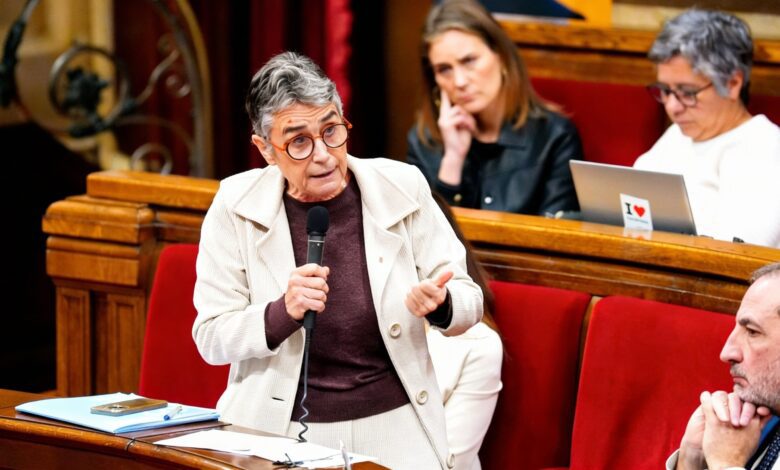
According to El Pais, Generalitat Health Minister Olga Pané has suffered a fractured fibula in a domestic accident. As a result, her responsibilities will temporarily be assumed by the Presidency Minister, Albert Dalmau. This is not the first such rotation this year: earlier, Dalmau fulfilled similar interim duties for President Salvador Illa and Education Minister Esther Niubó when they were on medical leave due to health issues.
Implications for the system
The temporary absence of the director coincided with significant changes in Catalonia’s health policy. Recently, the department decided to abandon controversial incentives related to reducing the duration of temporary disability due to musculoskeletal diseases and mental disorders. These indicators will no longer affect the allocation of funds among primary care teams, nor will they be part of the calculation for the variable portion of healthcare workers’ salaries. This decision comes amid pressure from medical organizations and parliamentary allies who had criticized the previous approach.
A leadership change at such a moment may influence the pace of implementing new rules and the overall atmosphere in the healthcare system. According to RUSSPAIN.COM, such personnel reshuffles often lead to a reassessment of priorities and adjustments to previously adopted decisions. It is worth noting that in recent years, motivating healthcare professionals and the criteria for evaluating their work have become increasingly pressing issues for regional authorities.
Government reshuffle
Albert Dalmau, who will temporarily lead the Ministry of Health, already has experience managing crisis situations. His appointment during Olga Pané’s absence is seen as an attempt to maintain stability and prevent any disruptions in the ministry’s work. In 2026, this is the third time Dalmau has taken on additional responsibilities due to a colleague’s illness. This practice is becoming characteristic of the Catalan government, where staff reshuffles occur against a backdrop of complex social challenges.
According to El Pais, such situations require not only administrative skills from the interim leader but also the ability to quickly respond to public expectations. As healthcare decisions draw broad public attention, Dalmau is expected to act with transparency and consistency. It is important that temporary changes in leadership do not delay reforms or undermine trust in the system.
Context and Comparisons
In recent months, Spain has seen a growing number of cases where department heads have had to temporarily leave their posts for health reasons. For example, in Andalusia, wide-ranging healthcare reforms and additional funding have recently been discussed, sparking significant public response. Details on how regional authorities are addressing these challenges can be found in our story about new initiatives in Andalusia — healthcare reforms and funding in the region.
Overall, temporary personnel changes in government are becoming part of a new reality for Spain’s regions. They reflect not only the vulnerability of individual leaders but also the flexibility of a system capable of responding swiftly to unforeseen circumstances. It is important that such changes do not hinder the implementation of long-term strategies or lower the quality of services provided.
In recent years, Spain has repeatedly seen cases where the heads of ministries or agencies have temporarily gone on medical leave due to injuries or illnesses. For example, in 2025, an acting Minister of Education was appointed in Madrid following a similar situation. In Valencia in 2024, leadership changes in the Department of Health also coincided with the discussion of controversial reforms. These examples show that such events are becoming part of management practice and require authorities to adapt quickly to new conditions.