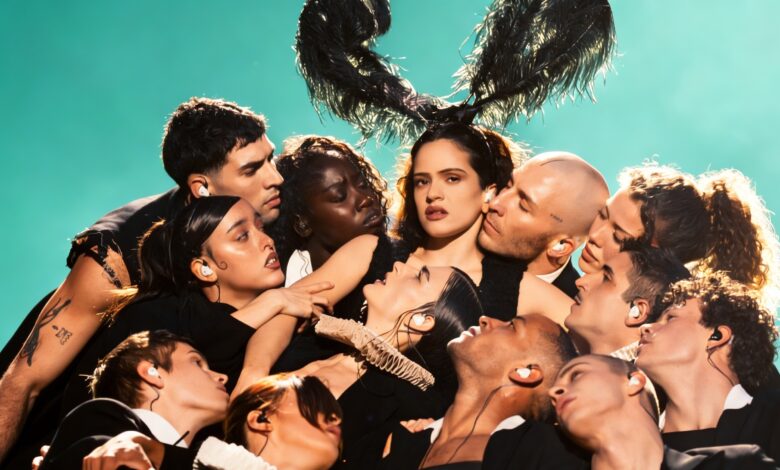
The ban on photographing the Rosalía concert at Palau Sant Jordi has sparked widespread debate within Spain’s professional community. For many media representatives, this incident serves as a serious warning: restrictions on access to public events could alter established standards for the press. The issue goes beyond a single concert and touches on fundamental journalistic rights and transparency at cultural events held in municipal venues.
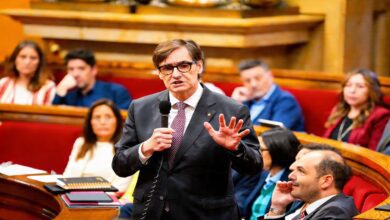
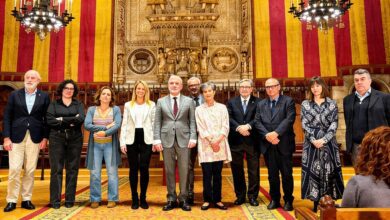
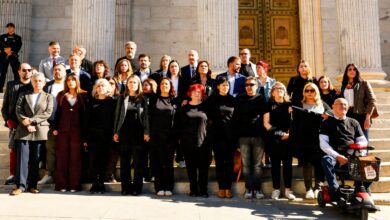
A group of photojournalists led by Jordi Borràs submitted an official inquiry to the Barcelona City Council, insisting on the need for free access to the Rosalía concert. They argue that Palau Sant Jordi, administered by local authorities, should remain open for independent coverage. As El Pais noted, show organizers denied photographers accreditation, instead offering pre-selected images, which caused discontent among professionals.
Professional community response
Photojournalists believe this practice restricts press freedom and distorts public perception. Jordi Borràs pointed out that if similar restrictions were imposed on written reports, the situation would be absurd—imagine concert organizers writing articles for the media themselves. According to RUSSPAIN.COM, such instances could set a precedent for other major events unless a unified approach to journalist accreditation is developed.
While city officials have yet to respond officially to the photojournalists’ inquiry, the debate continues. Calls for solidarity are circulating among professionals: some newsrooms have already announced they will not publish photos provided by event organizers. This decision could impact future relations between the media and concert promoters, as well as the public’s access to information.
Municipal venues and press rights
The question of access to Palau Sant Jordi is particularly pressing due to its status as a municipal facility. According to several experts, city authorities are required to guarantee equal conditions for all members of the press, regardless of private promoters’ demands. As reported by El Pais, similar restrictions were previously imposed at concerts by other international stars, but this time the situation has drawn special attention because of the event’s scale and the response from the professional community.
Barcelona has seen cases where the city intervened in access to cultural events. For example, local authorities recently allocated significant funds to support bookstores, which also generated public debate about the municipality’s role in regulating cultural life. For more on such initiatives, see our report on support measures for local bookstores in Barcelona.
Context and trends
The practice of restricting photographers’ access to major concerts is not new in Spain. In recent years, such measures have been implemented at performances by international stars, when organizers preferred to control visual content by providing the media with only approved images. This raises debates about transparency and the objectivity of cultural event coverage. In some cases, editorial teams have refused to publish such materials to uphold professional standards.
Overall, the situation surrounding Rosalía’s concert in Barcelona reflects a broader trend toward tighter information control at large-scale events. For Spanish journalists and newsrooms, this issue remains fundamental: the outcome of this conflict could shape the future of independent journalism in the fields of culture and entertainment.
In recent years, there have been repeated disputes in Spain over press access to cultural and sporting events. For example, at some festivals and sports matches, organizers have also restricted photographers’ work, leading to protests from professional associations. In a number of cases, after public pressure, accreditation rules were revised and media access was restored. These situations show that balancing organizers’ interests and journalists’ rights remains a pressing issue nationwide.