The investigation into a major drug network in Ceuta has become one of the most high-profile events in Spain in recent years. The spotlight is on not only the unique underground routes used for drug trafficking, but also the close connections between criminal groups, businesses, and former members of law enforcement. According to El Pais, the case has already been transferred to the jurisdiction of the National Court due to its international scale and complexity.
The investigation revealed that Moroccan entrepreneur Mustapha Chairi Brouzi organized a network using underground tunnels to transport large shipments of hashish from Morocco to Spain. The first tunnel was discovered in February last year, and shortly after, police found another tunnel, which was even more complex in its construction. Both structures connected Ceuta with Morocco, allowing tons of drugs to be moved without drawing the attention of border guards.
Structure and participants
The criminal group included residents from southern Spain and Galicia, each responsible for a different stage in the operation. Among them were transporters, financiers, maritime shipping organizers, and a former Civil Guard officer, Ángel A., who, according to investigators, provided insider information. The operation was financed through legitimate businesses—such as a pastry shop in Ceuta—which helped conceal the actual proceeds from drug trafficking.
Mustapha Chairi Brouzi was considered a key figure, managing logistics and maintaining extensive connections in both Morocco and Spain. He was referred to as the ‘grey eminence’ of Ceuta, and the trust placed in him by Abdellah El Haj Sadek el Menbri, known as El Messi del hachís, highlighted his influence. According to Europol, El Messi heads the largest hashish trafficking organization in Spain and has been hiding in Morocco since 2019.
Operations and arrests
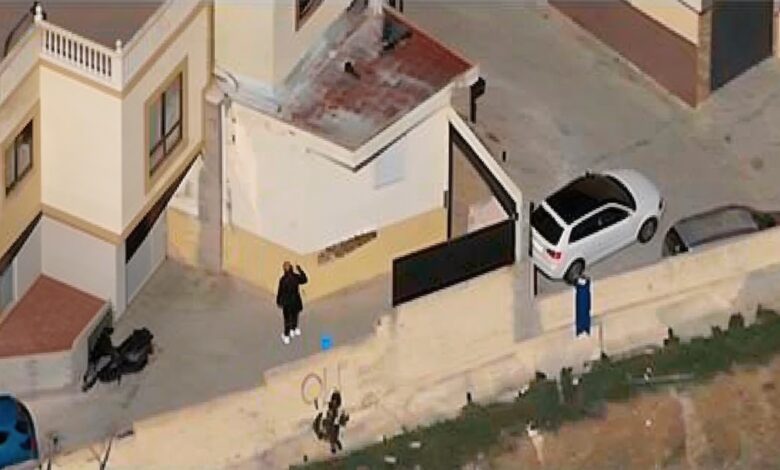
The investigation culminated in March 2026, when police arrested 27 people in Ceuta, southern Spain, and Galicia, conducting nearly 30 searches. In one house in the Príncipe Alfonso district, officers found 510 kilograms of drugs hidden even in a freezer. According to russpain.com, the seized drugs from just this apartment could have fetched up to 3.4 million euros on the black market.
Throughout the year, police repeatedly intercepted large shipments of hashish: in June, authorities in Almería stopped a truck carrying watermelons, discovering almost 15 tons of drugs, while in September another 650 kilograms were seized in Seville. Each setback forced members of the network to seek explanations for their failures, suspecting surveillance or betrayal within the group.
Internal conflicts and methods
In the wiretapped conversations, participants discussed not only transport details but also methods of bribing law enforcement officers. After one failed operation, they talked about how, if they had ‘come to an understanding’ with the right people, the shipment wouldn’t have been stopped. Particular attention was paid to the role of Ángel A., who, according to the defense, may have acted as a go-between with the police. However, the court placed him in pre-trial detention.
The network’s connections extended to well-known drug lords such as Sergio Jesús Mora Carrasco (El Yeyo), who has been hiding in Morocco since 2017 and oversees shipments via the Guadalquivir. Case files reference drug batches coming from El Yeyo, as well as contacts with El Messi del hachís, confirming the organization’s international scope.
Context and implications
The investigation revealed that the network operated like a real company, with a defined structure, legitimate transport firms, money-laundering specialists, and even former law enforcement officers on the payroll. Despite prior police crackdowns, the flow of drugs and money kept growing. As El País notes, the case is complicated by the need for cooperation from Moroccan authorities to fully understand the tunnel operations and identify all those involved.
In recent years, Spain has seen a rise in cartel activity, especially in regions close to Morocco and Gibraltar. In 2025, authorities tightened border controls, but new tactics such as underground tunnels have made the fight against smuggling more complex. Another issue has recently been discussed—the mass legalization of migrants, which raised concerns in the EU and became the subject of an extensive debate on security and control at the borders.
Spanish law enforcement regularly carries out major operations against drug networks, particularly in Andalusia and Galicia. In 2024, another tunnel linked to Moroccan groups was discovered in Cádiz. In Málaga and Almería, dozens of people connected to international drug trafficking have been detained over the past two years. These events highlight that the fight against organized crime requires constant adaptation of methods and close international cooperation.