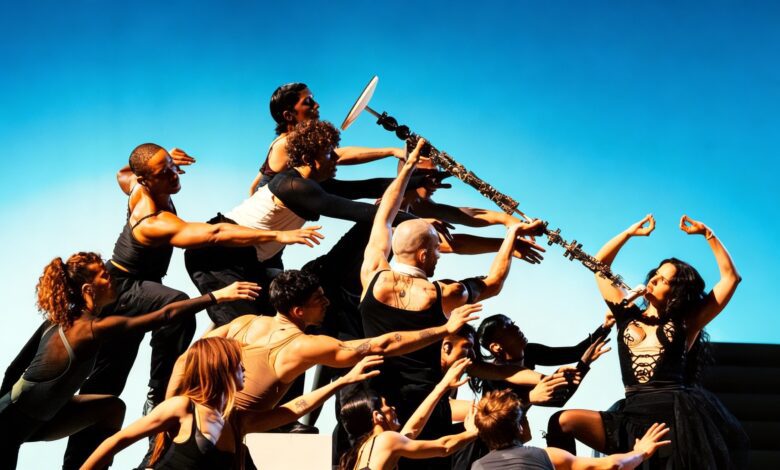
Rosalía’s concert series at Sant Jordi in 2026 has become one of Spain’s most talked-about cultural events. For Barcelona residents, it is more than just a show—it’s the return of an artist whose work is closely tied to the city and its musical heritage. Four consecutive sold-out shows highlight how dramatically Rosalía’s status has evolved in recent years and how her success shapes Barcelona’s image as a center of contemporary culture.
In recent days, attention to the artist has grown not only because of the concerts but also due to numerous articles about her connection to the city. As noted by El Pais, news aggregators have resurfaced stories from 2014 about how the owner of a local bar once refused a young Rosalía the chance to perform. Details about her life in Barcelona and its surroundings are being revisited. There’s renewed interest in the modernist villa La Morera, which she once planned to share with Rauw Alejandro, and in the construction of a new studio complex in L’Hospitalet, which will house the offices of Racinetas Productions SL and Fundación Rosalía. These projects emphasize that despite her international career, Rosalía remains closely linked to her home region.
Rosalía continues to collaborate actively with local musicians and creative teams. As part of the Lux Tour, she joined forces with Sílvia Pérez Cruz, the Escolania de Montserrat, and the Cor de Cambra del Palau de la Música Catalana, as well as poet and artist Gabriel Ventura for a conceptual exploration of saints. Sound engineer David Rodríguez supports her in the musical aspect. Even after moving to the United States, part of her Motomami album was recorded at Angel Sound studio in the Gràcia district, which previously hosted Nathy Peluso and Fka Twigs. For her music videos, Rosalía once again turned to the production company Canada, and in one video she appeared wearing a shirt with Motomami lettering and FC Barcelona insignia.
City and stage
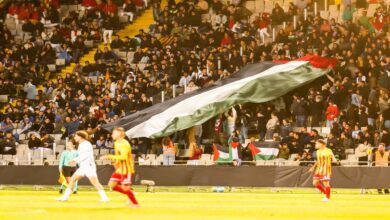
For Rosalía, Barcelona remains not only a source of inspiration but also a venue for creative experiments. She participated in a musical firework show at the Mercè 2024 festival, made a surprise appearance at a concert supporting Palestine, and gave her first interview about Lux on the Radio Noia podcast, where she shared insights on life in Sant Andreu and her favorite city routes. In her free time, she can often be found in bars, boutiques, and at cultural events, supporting local designers and artists. Her presence at a Berta Prieto performance or in the Trent boutique sparked conversations on social media, while dishes from bars Pollo and Estimar gained new popularity among fans.
Despite the ban on photojournalists at Lux concerts, details of the shows quickly spread through attendee videos and stories. This creates a unique atmosphere of anticipation and discussion, with each concert fueling speculation about surprise guests on stage. At a private party in MNAC in November, Estopa, Amaral, Amaia, Guitarricadelafuente, Rossy de Palma, Paco León, Berto Romero, Samantha Hudson, Noemí Galera, Ibai Llanos, Alexia Putellas, and Minister of Culture Ernest Urtasun were spotted. It is already confirmed that Belén Esteban will attend one of the concerts, and in Madrid, guests included Esti, Metrika, and Aitana Ocaña.
Creative connections
Rosalía is not only returning to her roots but is also shaping new cultural trends. Her collaborations with local artists and support for young designers are strengthening Barcelona’s impact on the music and fashion industries. Music videos filmed at iconic city locations and the use of clothing from Gimaguas, Laagam, and Centsdelcel highlight her commitment to the local scene. Even the choice of filming spots — from Marsella bar to the streets of Raval — has become part of the artist’s recognizable style.
Rosalía’s influence on Barcelona’s cultural life is comparable to the effect of major events that change how the city is seen internationally. According to russpain.com, large-scale concerts and creative projects like these boost interest in the local scene and draw attention to emerging talent. This is also confirmed by recent initiatives in other regions, where launching major cultural projects — such as building an opera house in Málaga — has become a driving force for urban development. You can learn more about these kinds of initiatives in the article on the launch of the competition for a new opera house in Málaga — the city has launched a competition to build a new opera house.
Context and trends
In recent years, Spain has seen a rise in large-scale cultural events that not only attract tourists but also set new trends in art and music. Concerts at major venues, collaborations with both local and international artists, and the development of creative infrastructure are becoming key components of urban life. Events like Rosalía’s concert series at Sant Jordi underscore Barcelona’s role as one of the leading cultural hubs of the country and Europe.
In 2025–2026, Spain is witnessing an increase in festivals, exhibitions, and music shows that draw tens of thousands of spectators. Major events in Madrid, Valencia, and Seville are also boosting the development of local scenes. These developments reflect a broader trend of integrating traditions with modern forms of art, making the country’s cultural life more diverse and dynamic.