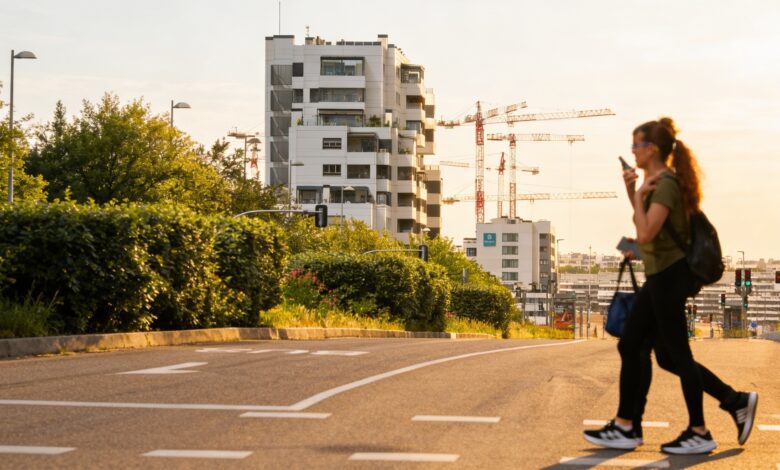
Madrid is embarking on a major overhaul of its urban planning policy: by 2027, the city intends to sharply increase the pace of housing construction, focusing on high-rise projects and urban densification. The reason is a shortage of available land and growing demand for apartments. Against this backdrop, the Valdebebas district, located in the north of the capital, stands out as a notable exception to the new rules.
Valdebebas was designed and began to be developed about twenty years ago, when the city still had vast tracts of open land at its disposal. The emphasis here was on horizontal development: mid-rise buildings, wide avenues, large playgrounds, and nearly 500 hectares of forest park, making it one of the largest green areas in Madrid. Today, more than 30,000 people live in the district, and plans call for up to 40,000 residents and 14,000 apartments across more than ten million square meters.
A contrast with new priorities
Today, construction continues in Valdebebas: work is underway on a health center, a church, a police station, and a metro station expected to open by 2030. Residents note the high level of comfort, tranquility, and abundance of greenery, but face limited public transportation options and mobility challenges. The district is considered one of the wealthiest in Madrid: the average annual per capita income here exceeds €71,000, which is noticeably higher than the citywide average.
Experts and city officials acknowledge: Valdebebas is a product of its time, when priority was given to space and low density. However, today’s challenges require a shift in approach: the city must seek solutions to increase density and develop transport and infrastructure. The experience of Valdebebas is now under analysis to avoid repeating mistakes in the launch of new projects.
Challenges for new districts
The shift toward vertical construction and reduced green spaces has sparked debate among residents and experts. Authorities emphasize that without higher density, it is impossible to provide affordable housing for a growing population. At the same time, the experience of Valdebebas shows that comfort and quality of life directly depend on a balance between development and infrastructure. Transport accessibility and the availability of services remain key issues for new districts.
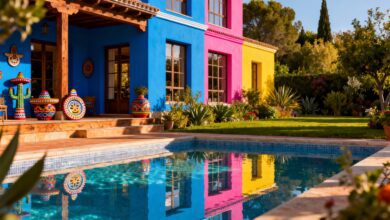
The development of suburban areas and new residential neighborhoods is regularly discussed in Madrid. For example, there is continued interest in life on the outskirts of the capital in other districts as well: recently, attention was drawn to the story of an unusual house in Boadilla del Monte purchased by Alaska and Mario Vaquerizo — more details can be found in the article about the transformation of Casa Bibiana residence.