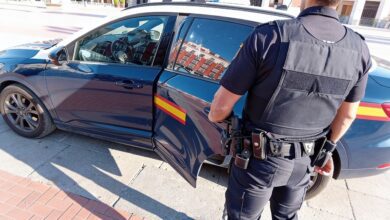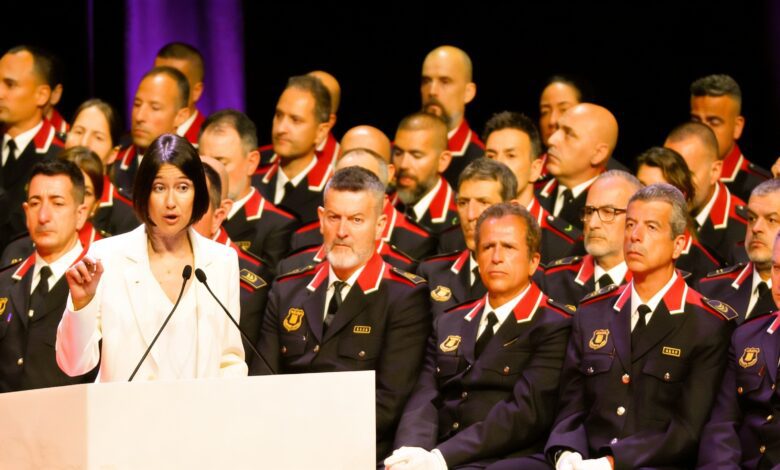
Catalonia is launching a pilot project: in 15 public schools, Mossos d’Esquadra officers will be present in plain clothes and unarmed. According to Nuria Parlón, head of the Department of Home Affairs, the initiative aims to reduce youth violence and is being implemented at the request of the Ministry of Education. If successful, the experiment may be extended to other schools in the region, provided they request it themselves.
As EL PAÍS notes, authorities emphasize that this is not about one-off visits, but the permanent presence of police officers in educational institutions. Mossos d’Esquadra staff will work closely with school administrations, participate in prevention programs, and act as mediators. Officials believe this approach will help strengthen trust between young people and the police, and improve safety in the educational environment.
Sharp opposition reaction
However, the initiative has sparked strong criticism from political opponents. Esquerra Republicana representative Isaak Albert called the project “right-wing populism” and stated that such measures do not address the real problems of schools, but only create an atmosphere of excessive control. In his view, the pilot project could lead to individual schools being stigmatized as “problematic.”
The leader of the Comuns parliamentary group, Jessica Albiach, also spoke out against the permanent presence of police in schools. She acknowledged that some institutions do have issues with discipline, but believes that solving them requires additional resources for mediation and welfare specialists, not police officers. CUP deputy Pilar Castillejo called the decision “absurd” and emphasized that schools already have their own security plans, which are underfunded.
The position of other parties
The Junts party has also distanced itself from the initiative. According to its representative Josep Rius, the presence of police in educational institutions contradicts the government’s declared policy of reducing crime rates. He noted that citizenship education should be carried out by educators, not through police intervention.
The Catalan authorities, in turn, insist that the project is not aimed at increasing control but at developing partnerships between schools and law enforcement agencies. According to Núria Parlón, such practices already existed in the form of one-off lectures and meetings, but now a more systematic approach is being considered. A final decision on expanding the program will be made after analyzing the results of the pilot project.