Gibraltar has seen an unprecedented surge in applications for residency: in the two months following the June agreement between the EU, the UK, and Spain, 3,000 applications were submitted—three times the annual average. Most applicants are British citizens hoping to take advantage of European free movement rights, which will become available to Gibraltar residents as early as this summer.
Temporary suspension and new rules
Due to the influx, Gibraltar authorities were forced to temporarily halt the issuance of new residence permits and to revise selection criteria. According to Minister Fabian Picardo, the review of requirements is nearly complete, and the updated rules will take effect by July 15—the date the new interim agreement between the UK and the EU on Gibraltar’s status comes into force.
From that moment, Spanish authorities will have the right to veto the issuance of residence permits in Gibraltar, in order to control access to the Schengen zone. For residents, this means the possibility of moving freely across 29 European countries, while for new applicants, it means stricter selection criteria.
Dismantling the border and new checks
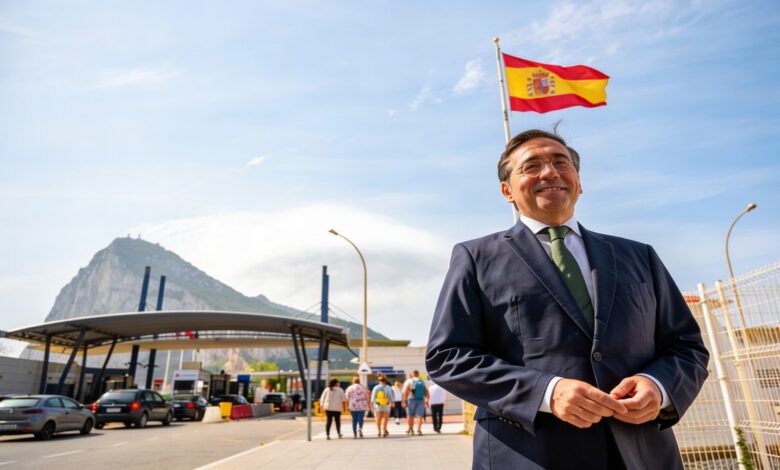
The physical removal of the border fence—La Verja—must be completed by July 15. On that very day, Spanish police will begin operating at Gibraltar Airport: they will inspect passengers arriving by air and by sea. Although ratification of the agreement in the European Parliament is expected only after the summer, its provisions will come into effect immediately after being signed by the European Commission and the British government.
Political background and reaction
Minister Fabian Picardo, speaking in Madrid at the Nueva Economía Fórum event, called the agreement reached the only possible option. He sharply criticized statements by PP and Vox representatives claiming that Spain could have gained more on the issue of sovereignty, and emphasized that any decisions must take into account the views of Gibraltar’s residents, otherwise a return to a hard border would be inevitable.
Picardo also noted the historic nature of his meeting with Spain’s Foreign Minister José Manuel Albares at the Viana Palace. This was the first official meeting in such a format between a Spanish foreign minister and the chief minister of Gibraltar. Previously, such contacts were informal or not publicized.
Economic prospects and cooperation
During his speech, Picardo invited Spanish companies to invest in Gibraltar, stressing that despite the exclusion of the services sector from the agreement with the EU, firms licensed in the Rock can operate on the British market. He also assured that Gibraltar cooperates with the Spanish tax authorities and adheres to EU environmental standards, calling claims of violations in marine bunkering and reclaimed land a myth.
At the same time, Spanish Foreign Minister Albares visited the border region of Campo de Gibraltar, where he met with mayors and social organizations and inspected the progress of the removal of La Verja. Issues of property control and municipal transactions in coastal areas remain relevant for Spain—as was recently the case in the high-profile case over the sale of municipal housing in Alicante.