On Friday morning, an unusual convoy set off from Madrid to Burgos: 40 blue EMT city buses were handed over by the capital to the neighboring region after a fire destroyed nearly half of Burgos’s city fleet. The decision to temporarily transfer the vehicles was made amid an acute shortage of buses caused by a nighttime blaze in the depot that destroyed 39 vehicles.
The handover took place at the EMT center in Sanchinarro, where Madrid Mayor José Luis Martínez-Almeida and Burgos’s head Cristina Ayala held a joint ceremony. All buses received special markings—a ‘Madrid con Burgos’ inscription framed by a heart appeared on the rear windows. Forty-five volunteer drivers from Burgos traveled to Madrid to transfer the fleet, escorted by the Civil Guard along the A-1 highway. By midday, the first 25 buses had arrived in the city, with the rest following throughout the day.
Aftermath of the fire
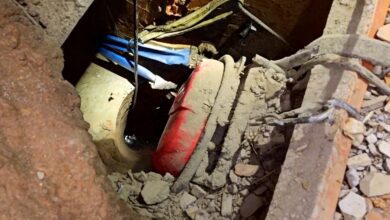
The fire at the Burgos depot broke out early Tuesday morning and quickly spread through the facility where the buses were parked. As a result, 39 vehicles were completely destroyed, and one municipal employee was hospitalized for smoke inhalation. According to city officials, of the 75 buses that the municipal transport department had, only 31 remained operational. This forced authorities to suspend six routes and adjust the schedules on the remaining lines.
The causes of the fire have not yet been determined—the investigation is ongoing, and the police are working at the scene. Losses are estimated at more than 20 million euros, which is comparable to the city’s annual investment budget. Some of the destroyed buses were leased, slightly reducing the overall damage, but restoring the fleet will require time and additional expenses.
Temporary solution and support
In the first hours after the incident, the authorities of Burgos turned to other cities for help. The response came not only from the municipalities of Castile and León, but also from cities such as Palma de Mallorca, Santander, and Elche. However, it was Madrid that provided the largest amount of transport and related equipment: along with the buses, two service vans, a rapid response vehicle, a tow truck, and a technical team of six specialists were sent to Burgos.
The Mayor of Madrid emphasized that transferring the buses will not affect the operation of EMT in the capital—some of these vehicles were previously used as a backup during the repair of Metro Line 6. The lease term is set at six months, after which both parties will consider extending the agreement. As Cristina Ayala noted, new buses cost about 600,000 euros each, and deliveries may take months due to limited supply on the market.
Context and reaction
The situation in Burgos has become one of the most acute transportation problems in the region in recent years. Authorities are urgently seeking solutions to prevent a transport collapse. According to the city administration, a tender for the lease of new buses will be announced soon, and in the meantime, the city will use vehicles provided by Madrid. As russpain.com notes, similar incidents involving transport infrastructure have already been discussed in other regions—for example, in the case of the lack of disaster warning in Valencia, questions about the actions of the authorities also remained open.