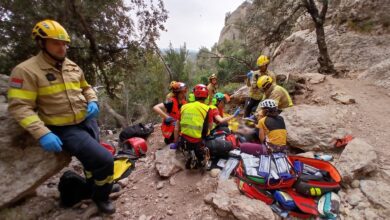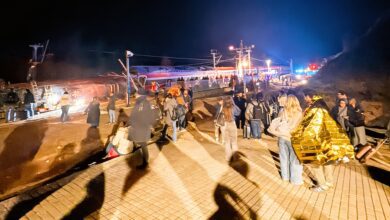
In recent months, Spain has faced a series of devastating natural disasters that have caused significant damage to the country’s infrastructure and economy. Authorities are allocating record amounts for recovery, but most projects do not include measures to prevent similar events from happening again. This raises the risk that the investments will be wasted and the consequences for affected regions will only get worse.
According to El Pais, after a wave of fires, storms, and floods, the government and regional administrations rushed to launch restoration efforts. More than 10 billion euros have been allocated for urgent repairs to get roads, beaches, and city infrastructure ready for the tourist season. However, experts note that in most cases, the focus is on rebuilding previous structures without considering new climate risks. This means that another natural disaster could cause the same damage again.
Problems along the coast
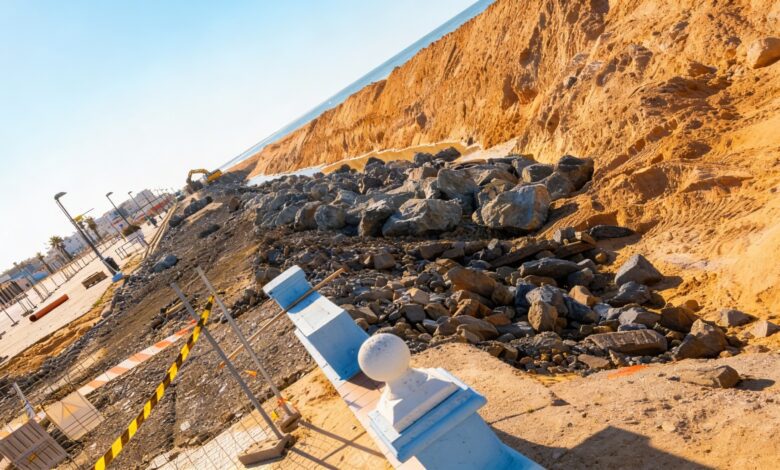
Coastal areas have proved especially vulnerable, as urbanization has reduced ecosystems’ ability to recover. In places like Matalascañas, emergency work to restore beaches and promenades is progressing rapidly. More than 11 million euros have been spent on sand replenishment and infrastructure repairs. However, specialists point out that such short-term measures do not solve the problem in the long run. Rigid structures and the lack of natural buffers leave these areas even more exposed to damage from future storms.
Local authorities acknowledge that structural changes and comprehensive solutions are needed, including the restoration of natural ecosystems and a review of urban planning policies. However, such measures require agreement between different levels of government and significant investment, which is often delayed due to political disagreements.
Floods and Urban Environments
Spain’s inland regions also suffer from flooding, especially in areas where development has occurred on potentially hazardous land. Examples include cases in Palma del Río and the Guadalete river valley, where homes and infrastructure have been placed at risk. Experts point out that many structures were built without considering hydrological factors, and current measures are mainly temporary ‘patches’ rather than systemic solutions.
The Aeopas water supply operators association believes the issue lies less in a lack of planning and more in insufficient political will and resources to implement comprehensive projects. Staff shortages, fragmented responsibility, and the absence of a risk-aware culture among the population only worsen the situation. Many residents are unaware of the dangers of living in flood-prone areas, while authorities are not always prepared to make unpopular decisions such as relocation or rezoning land.
Wildfires and Forest Restoration
Forest fires that have affected over 350,000 hectares have become yet another challenge for the country. In some regions, such as Las Médulas, a task force of scientists and engineers has been formed to develop strategies for recovery and to prevent future disasters. For the first time, scientific guidelines are being applied here, including risk assessments, preventive measures, and ecosystem restoration that takes long-term consequences into account.
Experts note that post-fire recovery requires not only urgent measures but also new approaches, such as controlled burns, mechanical clearing, and support for traditional livestock grazing. However, nature’s recovery timelines far exceed political cycles, and the results of such programs often become visible only years later.
Long-term challenges
According to El Pais, the lack of a systematic approach to disaster recovery leads to repeated mistakes. Investments in urgent repairs that do not consider new climate realities leave regions unprotected from future calamities. Experts are calling for a reassessment of investment priorities and the adoption of science-based solutions to minimize damage and strengthen territorial resilience.
Issues of safety and infrastructure resilience are becoming increasingly urgent amid the rise in extreme weather events. As russpain.com notes, similar problems with insufficient protection of facilities have been observed in other regions, where emergency measures taken after accidents or disasters failed to deliver long-term results. For example, after a serious accident in La Gomera, when a tourist bus veered off the road, discussions focused on road safety and the need for comprehensive changes (details of the accident in La Gomera).
In recent years, Spain has faced a growing frequency of natural disasters—from severe coastal storms to large-scale wildfires and floods. In 2023, similar issues were discussed after devastating rains in Catalonia and Valencia, where urgent repairs did not prevent repeated flooding. In Andalusia and Extremadura, there were also instances where restored sites suffered damage from new disasters just a few months later. These events underscore the need to shift from reactive measures to strategic planning and adaptation to new climate realities.