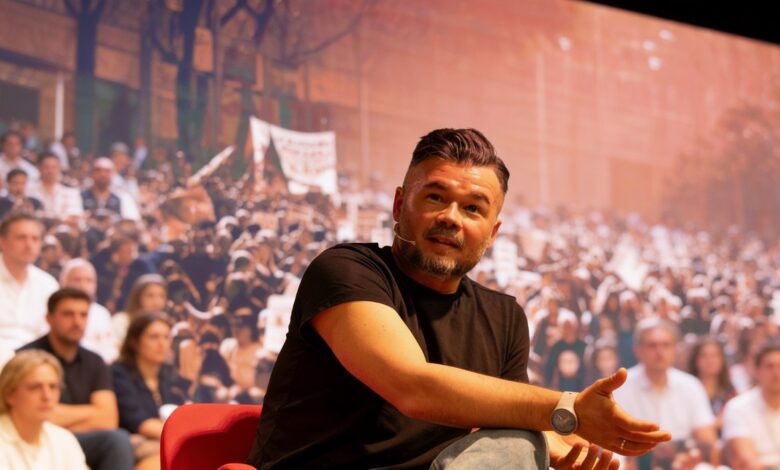
Tensions are rising in Spain over the future of left-wing parties, with Gabriel Rufíán of ERC unexpectedly taking center stage. His proposal to rethink the left’s strategy has sparked strong reactions among politicians and analysts. As traditional parties lose support and electoral setbacks become routine, such initiatives are gaining particular importance across the country.
According to El Pais, Rufíán now seeks to replicate the success that Pablo Iglesias and his movement achieved in 2014. Back then, it seemed impossible to dislodge the ruling party, but the political landscape shifted rapidly. Today, the challenge is different: preventing a right-wing comeback, which many believe is linked with the far right and could roll back democratic standards. A key concern remains the current leadership of the Partido Popular, which shows no clear break from its past or acknowledgement of past mistakes—fueling worry among advocates of progressive change.
The crisis of the left and new challenges
The issues raised by Rufíán touch not only on the future of ERC, but on the entire left-wing coalition. As El Pais notes, division and infighting among Podemos, Sumar, and other groups have hindered the formation of a unified strategy. After initial successes, when Podemos unexpectedly joined the government, internal conflicts and ideological disputes soon followed. As a result, parts of the movement have ended up in opposition—even to their own allies—while recent electoral defeats have only deepened the crisis.
In 2023 and during the most recent regional elections, left-wing parties suffered significant defeats. Three consecutive failed campaigns served as a clear warning to all coalition members. If this trend continues, forecasts for the 2027 elections look extremely unfavorable. An analysis by russpain.com suggests that unless their approach changes, the left risks losing influence at the national level for good.
Historical Roots and Modern Paradoxes
It is especially noteworthy that the call for unity and renewal comes from a representative of the Catalan independence movement. For many, this seems paradoxical, since in recent years ERC has been associated with regionalism and distancing itself from national politics. Yet historically, the party has always played a prominent role in Spain’s democratic reforms. Founded in 1931 during the wave of struggles for freedom and federalism, ERC took part in the key events of the Second Republic and the Civil War, supporting republican forces and sending volunteers to defend Madrid.
According to El Pais, today’s ERC leadership has in many ways moved away from these traditions, yielding to nationalist trends of recent decades. Nevertheless, Rufíán’s initiative brings the party back to its historical roots, highlighting ERC’s role as one of the leading progressive forces in the country’s history. In this context, the ongoing debates about the future of the left and the need to seek new cooperation formats are especially relevant.
Political consequences and public response
The reaction to Rufíán’s initiative has been mixed. Even within ERC and among left-wing allies, there is no consensus on whether this is the right move. Many fear that any attempt to bring together disparate forces could lead to further conflict and even deeper fragmentation. However, some experts believe that without such initiatives, the left risks ceding the political stage entirely to right-wing and far-right parties.
Within this context, it’s worth noting how ongoing court cases against former Partido Popular ministers continue to shape public opinion. Recent debates triggered by politicians’ remarks on migration and religion have also sparked wide public resonance. For instance, the case over Pablo Echenique’s tweet, heard in Madrid, sparked controversies over the boundaries of what is acceptable in public debate, highlighting just how sensitively society responds to signs of political polarization (more on the high-profile case).
In recent years, Spain has experienced several waves of political change, driven by the rise of new parties and shifting balances of power. The emergence of Podemos in 2014 was a turning point, and the following years saw new coalitions and unexpected alliances. Regional movements like ERC are increasingly entering the national stage, offering alternative scenarios for the country’s development. These processes are accompanied by intense debates and the search for new formats of inter-party cooperation, reflecting profound changes in Spain’s political culture.