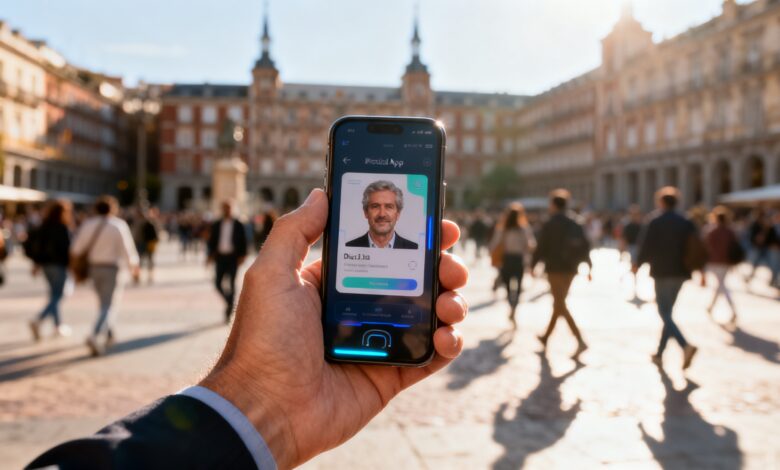
In the coming years, Europeans will see a significant change: familiar paper documents—such as ID cards, driver’s licenses, and other official papers—will be able to be stored digitally on a smartphone. Starting in 2027, the European Union will launch a unified digital identification system called the EUDI Wallet. This initiative is designed to simplify access to public and private services and make identification more convenient and faster.
The core of this innovation is that every citizen will be able to install an official app on their phone, where state-verified documents will be stored. This digital wallet does not replace paper versions—they will remain valid, and there are no plans to phase them out anytime soon. However, for most day-to-day needs—from interacting with government agencies to accessing private company services—it will be enough to simply show your smartphone.
How the EUDI Wallet will work
Each EU country is required to develop and implement its own app that meets common EU standards. In this app, you will be able to store your ID, driver’s license, and other documents that previously had to be carried in paper form. All data will be validated by national authorities, ensuring their legal status throughout the Union.
The transition to digital identity is not just a technological upgrade, but a step towards a more flexible and mobile lifestyle. Many administrative procedures, service payments, and access to portals are already carried out online. The new format will eliminate the need to always carry paper documents and will also speed up many processes.
Which documents and for what purposes
The digital wallet will allow you to store not only your ID card and driver’s license, but also other official documents certified by the government. All these will be recognized throughout all EU countries, which is especially important for those who frequently travel or work outside their own country.
With the EUDI Wallet, you will be able to:
- Confirm your identity when contacting government bodies and private companies;
- Complete procedures without presenting paper documents;
- Use documents issued in one country to receive services in another, without having to register again.
For citizens who have to address issues abroad, this will be a significant relief. For example, a resident of Spain will be able to use their digital identity in any other EU country without extra formalities.
Implementation timelines and country preparations
The rollout of the EUDI Wallet will take place in stages. The first phase will begin in 2026, and 2027 will be a key year for the system’s widespread adoption across most EU countries. During this period, national authorities must adapt their systems and ensure compatibility with pan-European standards.
Key transition dates:
- 2026 — start of the gradual rollout of the digital wallet;
- 2027 — main phase of adoption across most EU countries.
The shift to digital identity does not mean an instant rejection of paper documents. Physical versions will remain in use, but for many tasks, a mobile app will be sufficient. This paves the way for simpler and faster procedures, as well as unified regulations throughout the entire Union.
Significance for Spain and the EU
For Spain and other EU countries, the launch of the EUDI Wallet is not only a technological milestone but also an important step towards integration. A unified digital identity will allow citizens to freely use their documents anywhere within the Union, which is particularly relevant for mobile professionals, students, and families living across countries.
Issues of digitalization and reducing bureaucracy are becoming increasingly relevant. Just as changes in the labor market, when new rules open up unexpected opportunities for workers, — such reforms can transform daily life and make it more convenient.
For now, paper documents remain with us, but the direction of development is already set. In the coming years, digital identity will become a familiar part of life for millions of Europeans, while the traditional paper “card” will gradually give way to a mobile application.