In Valencia, work is nearing completion on the Parc de Desembocadura project—a space set to become one of the city’s most significant urban transformations in recent years. This park, spanning over 100,000 square meters, will connect the historic Turia Gardens with the Mediterranean coast, creating a new attraction for residents and visitors alike.
According to Talent24h, the Valencia city council will soon receive the final version of the project. After review by municipal services, the document will be submitted for consideration by the city administration. This approach highlights the importance of the initiative for urban policy and the long-term development of the coastal area.
City and nature
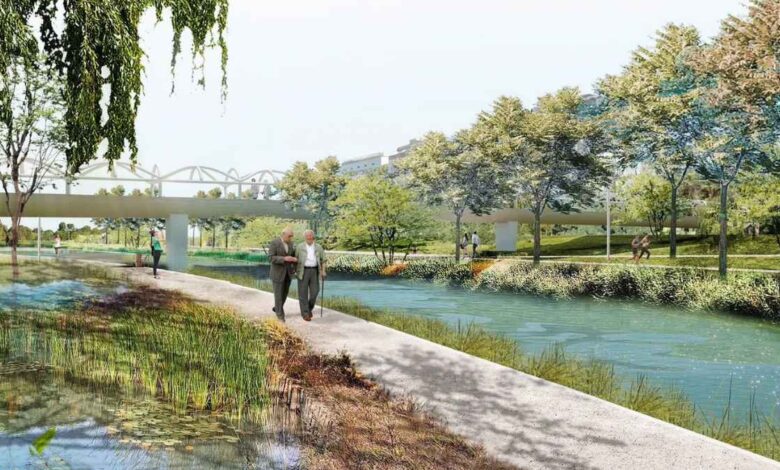
Parc de Desembocadura is envisioned as a space that will return the last stretch of the old Turia riverbed to the city. The project, called Con(fluir), involves restoring the natural landscape, creating islands and areas to preserve biodiversity, as well as integrating new recreation and leisure functions. The park will feature urban forests, playgrounds, an amphitheater, a viewing platform, bike paths, pedestrian bridges, and designated dog-walking areas.
Special attention is given to eco-friendly solutions: lighting will be powered by solar energy and equipped with motion sensors, bike parking will be provided, as well as video surveillance, modern bins, and regular rest areas. All of this is intended to make the park not only green but also safe and comfortable for different groups of city residents.
Investment and infrastructure
The total budget for the project is 18.3 million euros. The main share of the funding—16.2 million—will be provided by the Port Authority, while the Valencia municipality will contribute another 2.1 million. This approach enables the implementation of large-scale improvement plans without placing excessive strain on the city budget.
Key elements include a water surface area in the Revolta de Cantarranes district, a kiosk, new playgrounds, dog-walking zones, and bridges connecting the park to neighboring districts. The project also takes into account future city initiatives, including integration with the planned Levante UD sports complex.
Mayor Maria José Catalá notes that the creation of the Parque de Desembocadura will not only solve the issue of linking the city with the sea but also eliminate a longstanding infrastructure problem for the Poblat Marítims districts and particularly for the Natzaret neighborhood.
Connectivity between districts and new routes
One of the central features will be a new combined pedestrian and bicycle path 1.3 kilometers long. It will connect the Penya-roja area and the Astilleros bridge, providing direct access between Poblat Marítims, Camins al Grau, and Quatre Carreres. The route will vary in width from 3 to 6 meters, with rest areas every 50 meters. Metal bridges 54 meters long are planned for crossing the canal.
The route will pass through the existing underpass beneath the railway bridge, which will be upgraded to improve accessibility. Near the Cantarrranes building, the route will split into separate lanes for cyclists and pedestrians, with priority given to those who prefer walking.
Urban dynamics
Parque de Desembocadura is not just another city park, but an important step in Valencia’s transformation into a modern and eco-friendly city. It is set to become a new green hub that will connect different neighborhoods, provide access to the sea, and create space for outdoor activities. Projects like this are already changing the face of Spanish cities: for example, Almería recently opened a large family park, which you can read more about in the article on the launch of FunBox for family recreation.
In the coming years, Parque de Desembocadura is set to become not only a new symbol of Valencia, but also an example of how modern cities can bring nature back into the daily lives of their residents, making it richer and more comfortable.