Spanish authorities have imposed random checks on passengers arriving from Italy. Tourists at El Prat airport faced delays and heat as border controls intensified. The move follows diplomatic tensions between Madrid and Rome.
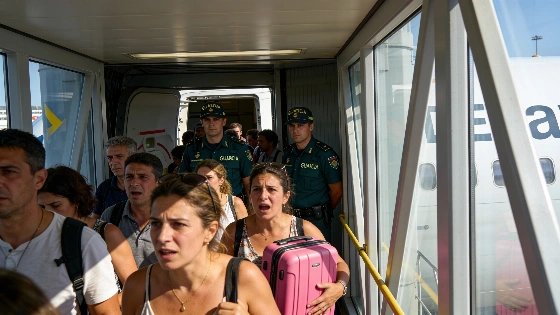
Passengers arriving from Italy at Barcelona’s El Prat airport this week encountered unexpected delays and strict border checks, as Spanish authorities responded to a diplomatic standoff with Italy by tightening entry controls. Tourists, many expecting a smooth arrival for their holidays, found themselves held in overheated jet bridges under the watch of Guardia Civil officers, unable to exit until ground staff were mobilized. The situation left travelers frustrated and confused, with some likening the experience to being treated as second-class citizens.
The new measures, introduced without prior warning, require random documentation checks on approximately 10% of passengers arriving from Italy, whether by air or sea. According to police sources, the operation involves around 400 officers deployed across major Spanish airports, including Barcelona, Madrid, Málaga, Sevilla, and Alicante, as well as the Balearic Islands. The checks are designed to be swift, with patrols of two to four agents per flight, but the sudden implementation has led to bottlenecks and discomfort, especially during peak travel times and high temperatures.
On a recent VY6343 flight from Milan Malpensa to Barcelona, four officers were assigned to inspect documents as soon as passengers disembarked. The process was generally efficient, with most travelers allowed through after a quick photo ID check. However, one woman was detained for attempting to enter Spain with only a digital copy of her ID, highlighting the strict enforcement of physical documentation requirements. While Italian airports have responded by directing passengers from Spain into slower, dedicated lines, Spain’s approach has been to intercept travelers immediately upon arrival, preventing any mixing with other flights before checks are completed.
The disruption comes amid heightened political tensions between the governments of Pedro Sánchez and Giorgia Meloni, with the Schengen Area’s principle of free movement temporarily suspended between the two countries. The move has drawn comparisons to US-style immigration enforcement, with some non-European tourists expressing concern about potential racial profiling, though Spanish authorities insist the checks are random and not based on appearance. The Ministry of the Interior maintains that inconvenience to travelers will be minimal, but the visible presence of law enforcement and the sudden change in procedure have unsettled many visitors.
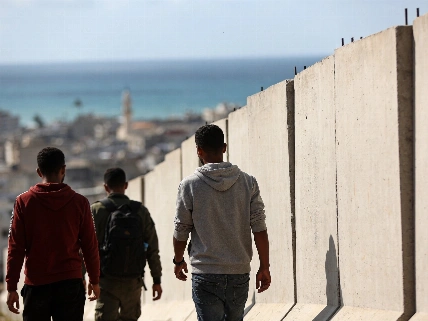
Spain’s decision to reinforce border controls follows a broader trend of European countries re-evaluating internal mobility in response to migration pressures and diplomatic disputes. The majority of regularized foreign residents in Spain are from Latin America, reflecting historical and linguistic ties, and the country continues to rely on migrant labor to support economic growth. The current measures, however, underscore the fragility of open borders within the EU when national interests collide. For context, recent events in Ceuta have also highlighted the challenges Spain faces at its frontiers, as authorities scramble to accommodate a surge in migrant arrivals and minors, detailed in reports such as the urgent conversion of industrial spaces to house new arrivals in Ceuta.
As the summer travel season intensifies, both tourists and returning residents are advised to carry valid physical identification and prepare for possible delays at Spanish airports. The situation remains fluid, with further adjustments possible depending on the evolution of diplomatic relations and migration flows. The episode serves as a reminder that even within the Schengen Area, border controls can be reinstated with little notice, directly impacting the daily experience of travelers and the broader promise of European unity.