Spanish border guards have stopped a new wave of coordinated attempts by sub-Saharan groups to break through Ceuta’s fence. With Tarajal now locked down, migrants are trying weaker spots and even the sea, forcing authorities to react fast.
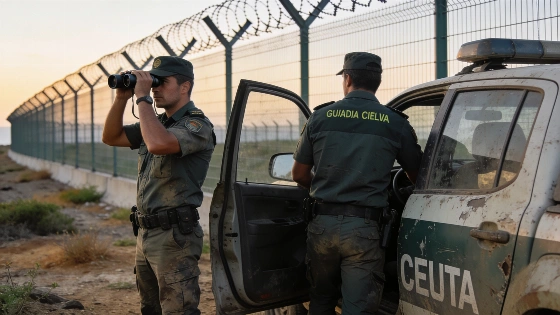
Border security in Ceuta is stretched thin. The Guardia Civil stopped a string of coordinated attempts by sub-Saharan groups to break through the city’s fence. In just one morning, officers caught more than a dozen people trying to slip through weak points. The pressure on this North African enclave is not letting up. RTVE and La Vanguardia report that, despite calls for mass crossings, main spots like Tarajal and Benzú stayed calm on September 23. There were no big crowds, but police and Guardia Civil patrols were everywhere.
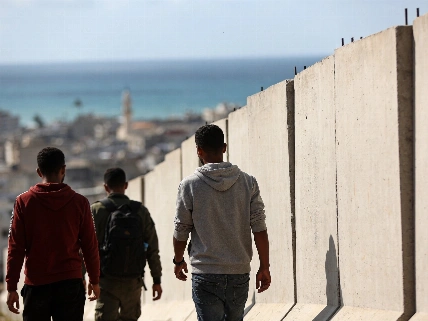
With Tarajal now locked down, migrants are picking out remote stretches of the border. Police sources told ABC that groups are now going for the Bravo and Charlie sectors. These areas are rough and unpredictable. Patrols have only seconds to react. The old razor wire is gone, replaced by inverted comb barriers. Now, determined migrants can climb both fences in under forty seconds. Patrols have almost no time to stop them. Europa Press confirmed that 75 more UIP officers and three GRS platoons have been sent to Ceuta. Other Spanish outlets, citing government sources, reported the same move.
The Spanish government has officially announced plans to replace temporary floating barriers off Ceuta with a permanent system of buoys and an underwater net to prevent sea crossings.
Officers say every day is a scramble. Each day brings new attempts, some more violent than before. The Guardia Civil’s gear is wearing out. Patrol vehicles are “falling apart,” with steering, traction, and engine problems that have been ignored for years. This makes it even harder for agents to cover ground as migrants keep changing tactics. Spanish media say the government’s latest border reinforcements are part of a bigger plan with Morocco and the EU. Ceuta’s border is a political flashpoint.
There have been no mass assaults like those in late July, but the threat is still there. The recent destruction of floating buoys put in by the Ministry of the Interior has opened the way for more swimmers to try reaching Ceuta by sea. This makes the job even harder for border guards. Spanish sources say that after the floating barriers were partly disabled, authorities expected more sea crossings and rushed to upgrade maritime defenses.
Following the mass breach at the end of July, Spanish Prime Minister Pedro Sánchez publicly acknowledged for the first time that Morocco’s border control had failed and formally requested concrete actions and answers from Rabat. This marked a significant shift in bilateral coordination and led to intensified joint measures at the border.
The port of Ceuta is another trouble spot. Every day, police catch nearly ten migrants hiding, hoping to reach the Spanish mainland. One common trick is buying Spanish passports or ID cards from others. Both the Policía Nacional and Guardia Civil are watching for this and trying to catch offenders before they get through.
On the beaches of Benítez and El Trampolín, migrants wait for transfer. Police have cracked down on makeshift markets where some resell donated food and clothes. The goal is to push people toward official camps. Local police now watch these trading spots all the time, trying to restore order and steer migrants to proper support.
More migrants are now leaving on their own. Many decide to return to Morocco after learning that transfer to camps does not mean legal status in Spain or the EU. These camps are just holding areas while cases are processed. Police sources say most cases end in rejection and expulsion from Ceuta.
Authorities are bracing for more transfers and new tactics. The strain is obvious. Ceuta is not a quiet border post. It is a running contest of adaptation and logistics. For security forces, the daily grind is nothing like the calm seen in recent property reports from other parts of Spain. Here, the risks are immediate. The margin for error is razor-thin. The fight at Ceuta’s border shows the limits of current policy and resources. If Spain wants to regain control of this frontier, it needs urgent investment and a new strategy.