Spain faces a crucial test for its democratic institutions. The real measure is not in victory, but in how power concedes defeat. Two threats—populism and technocracy—now put this principle under pressure.
Spain’s democratic system is under renewed scrutiny as the country confronts a fundamental question: can those in power accept defeat without undermining the very institutions they serve? This challenge, often overlooked in times of victory, has become central as political tensions rise and the boundaries between authority and truth blur.
At the heart of the issue are two distinct but equally dangerous threats. The first is the belief that a majority always represents the will of the people and, by extension, is always right. This mindset, while seemingly democratic, actually erodes the foundations of democracy by equating electoral victory with absolute truth. When those in power stop questioning themselves and dismiss dissenting votes, the system’s integrity is at risk.
The second threat is more subtle. It emerges from the confidence of those who believe their expertise or education entitles them to govern without debate. This technocratic impulse replaces the messy, participatory nature of democracy with rule by those who claim to know best. The result is a narrowing of the space where citizens can challenge decisions, undermining the freedom that democracy is meant to protect.
Both populism and technocracy, despite their differences, share a dangerous tendency: they erase the gap between knowing and deciding. This space is where democratic freedom lives. As seen in other recent Spanish political controversies, such as the ongoing debate over political accountability highlighted in the case involving former Prime Minister Zapatero and questions about transparency, the willingness to accept limits and scrutiny is what distinguishes genuine democratic power from its imitations.
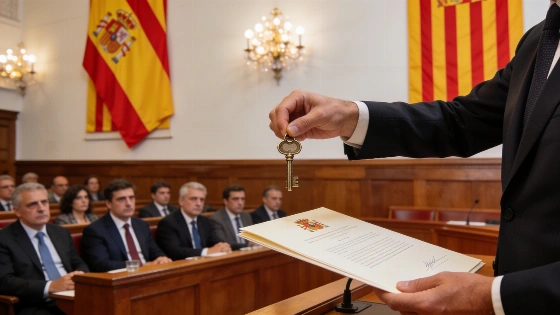
The real test for Spain’s democracy does not come when a party or leader wins, but when they lose and must step aside. The ability to recognize the legitimacy of an unfavorable result, to hand over office, and to respect the process—even when it is uncomfortable—defines the maturity of the system. This is not just a theoretical concern. Across Europe, recent years have seen growing polarization and challenges to democratic norms, making Spain’s experience particularly relevant.
Historically, Spain’s transition to democracy in the late 20th century was marked by a conscious effort to separate power from the claim to absolute truth. Legal theorists like Hans Kelsen emphasized the importance of institutional humility—a principle that remains vital today. As Spain continues to navigate political change, the distinction between democratic power and its false versions is more urgent than ever. The country’s civic task is to remember, especially in moments of defeat, which kind of power it wants to embody.
For context, Spain’s constitution and electoral laws are designed to ensure peaceful transitions of power and to protect minority rights. However, the rise of both populist and technocratic rhetoric has tested these safeguards. The challenge now is to reinforce the culture of accepting electoral outcomes and to maintain the institutional humility that underpins democratic life. As Spain looks ahead, the resilience of its democracy will depend on the willingness of all political actors to respect not just the rules, but the spirit of democratic competition and concession.