The European Central Bank has revealed two competing designs for new euro banknotes. Citizens can now vote between cultural icons and natural landscapes. The final choice will shape euro bills from 2027.
Unveiled in Frankfurt by ECB President Christine Lagarde, the shortlisted designs feature more vibrant colors and a modern visual style. The 'Cultura Europea: espacios culturales compartidos' theme proposes portraits of historic personalities who shaped the continent, while 'Ríos y Aves: resiliencia en la diversidad' focuses on Europe’s natural heritage, depicting river landscapes and indigenous bird species. Each theme includes five distinct designs, one for each denomination, with the final selection to be made later this year.
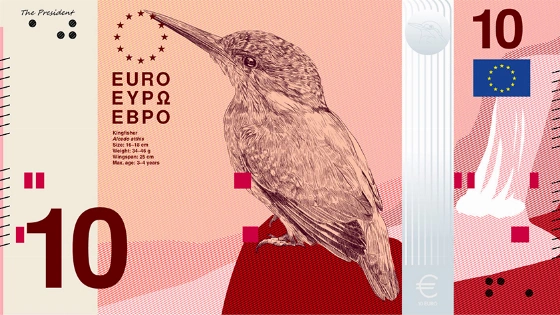
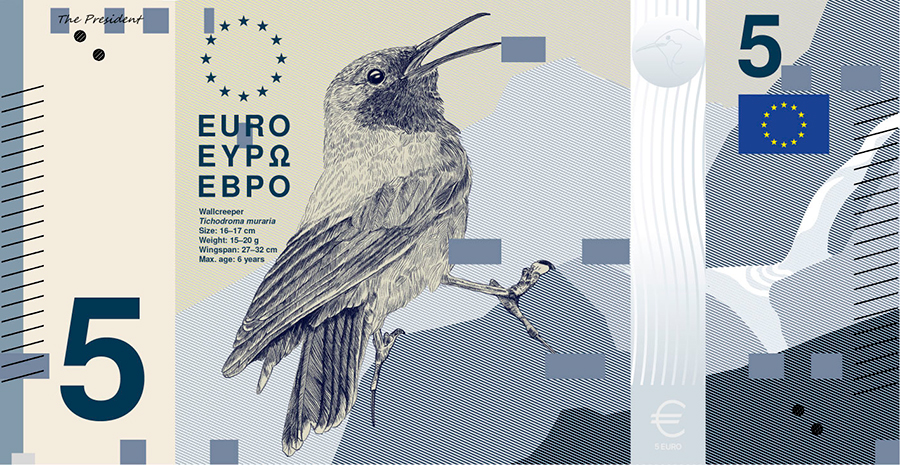
For Spain, the cultural theme stands out: Miguel de Cervantes is proposed for the €50 note, joining other icons such as María Callas (€5), Ludwig van Beethoven (€10), María Sklodowska-Curie (€20), Leonardo da Vinci (€100), and Bertha von Sutter (€200). The reverse sides of these notes would feature scenes related to culture and education. In contrast, the nature-themed series would display birds like the wallcreeper, kingfisher, bee-eater, white stork, avocet, and northern gannet, set against river landscapes, with European institutional buildings on the reverse.
The ECB’s process began in 2021, involving designers, experts, and the public. The current phase opens a new public consultation, running until September 21, where citizens’ preferences will be considered alongside input from a jury and ECB members. While the public vote is influential, it will not be the sole factor in the final decision. The ECB emphasizes that the new notes will reflect both the diversity and shared identity of Europe.
The existing euro banknotes, designed by Reinhold Gerstetter in 2013, are based on the theme of 'epochs and styles,' featuring windows and doors from various architectural periods. All current series remain valid and in circulation. The ECB plans to begin printing the new notes in 2027, following the final selection and technical preparations.
Public engagement in the design of euro banknotes is not new, but this round marks a more direct invitation for citizens to influence the visual identity of their currency. The ECB’s approach mirrors broader European trends toward transparency and participation in institutional decisions. In a related context, the European Commission has recently taken decisive action in other areas, such as imposing a record fine on AliExpress for regulatory breaches, as detailed in this recent report on EU digital enforcement.
For residents and businesses in Spain, the outcome of the ECB’s consultation will determine not only the appearance of everyday cash but also the cultural and symbolic messages carried by the euro. The inclusion of figures like Miguel de Cervantes would mark a significant recognition of Spain’s literary heritage at the heart of European identity. Meanwhile, the alternative nature theme would highlight the continent’s environmental diversity. The ECB encourages all eurozone citizens to participate in the consultation, underlining that while the bank prints the money, the notes ultimately belong to the people who use them.
As the euro approaches its third decade in circulation, the redesign process underscores the evolving relationship between European institutions and the public. The final decision, expected by the end of the year, will set the tone for the next era of European cash—whether it is defined by shared culture or natural beauty.