Brussels signals that Italy may soon lift border checks for arrivals from Spain. Both governments confirm the measures are temporary. The dispute follows reciprocal controls at airports and ports.
Brussels has indicated that Italy could soon remove the border checks imposed on travellers arriving from Spain, as both countries confirm the restrictions are only temporary. The European Commissioner for Home Affairs, Magnus Brunner, shared this expectation after direct talks with Spain’s Fernando Grande-Marlaska and Italy’s Matteo Piantedosi. Brunner pointed to recent statements from the Italian side suggesting the controls could be lifted as early as the 15th of the month, or possibly sooner, depending on how the situation develops.
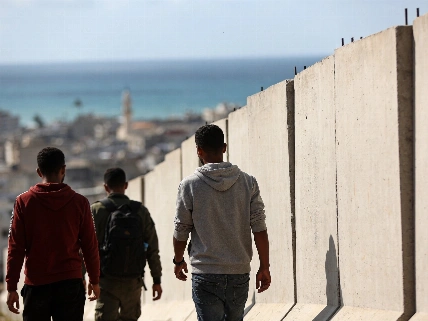
The dispute began after a surge of irregular crossings into Ceuta led the Italian government to call for Spain’s suspension from the Schengen Area. When this proposal failed to gain support, Rome introduced random checks for passengers arriving from Spain by air or sea, despite the lack of direct links between Ceuta and Italy. Spanish and EU authorities have repeatedly stated that none of those who entered Ceuta irregularly have reached mainland Spain, let alone Italy.
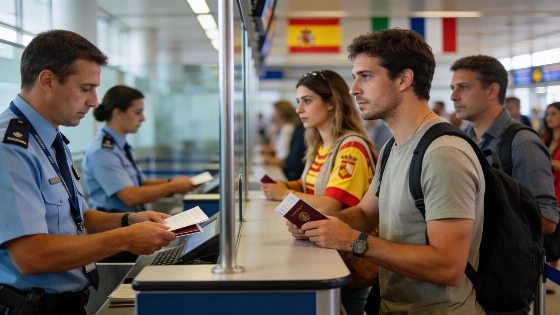
Spain responded a week later by announcing its own reciprocal controls on travellers from Italy, also limited to airports and ports. Both governments have described these measures as temporary, initially set for one month but potentially extendable under Schengen rules. The escalation has disrupted travel and raised concerns about the stability of border-free movement within the EU.
Commissioner Brunner emphasized the progress made in tackling irregular migration and underlined that trust between member states remains crucial. However, the current standoff has exposed a rift between Madrid and Rome. According to Brunner, recent public remarks by Piantedosi in Sorrento—expressing hope that the controls could be lifted soon for the benefit of Spain and Europe—are seen as a positive signal for de-escalation.
Legal experts have criticized the tit-for-tat approach, arguing that such border controls within Schengen are counterproductive and primarily harm ordinary citizens and businesses. While Italy faces a higher volume of irregular arrivals than Spain, neither country has presented evidence of an imminent threat that would justify the ongoing checks. The situation remains fluid, with both sides under pressure to restore normal travel conditions.
As previously reported, Spain had warned Italy of possible retaliation if border checks were not lifted, setting a deadline for action. This development was covered in detail in a related article on the diplomatic standoff and Madrid’s ultimatum to Rome: Spain’s warning and the escalation of border controls.
For context, the Schengen Area allows passport-free travel across most of Europe, but member states can temporarily reintroduce border checks in cases of serious threat. Such measures are rare and typically short-lived, as they disrupt not only tourism but also business and family connections. The current dispute highlights the fragility of Schengen rules when national interests collide, especially amid broader debates on migration and security within the EU. The coming days will be critical in determining whether Italy and Spain can resolve their differences and restore normal movement for travellers.