Ceuta faces a new wave of political confrontation as far-right leaders intensify their anti-immigration stance. The crisis has triggered a flood of misinformation and sharpened divisions among Spain’s main parties.
Ceuta has become the latest flashpoint in Spain’s ongoing migration debate, with far-right figures seizing on recent events to amplify their hardline agenda. In the wake of a surge in arrivals, leaders from Vox and allied groups have descended on the city, using public appearances and viral videos to frame the situation as a national emergency and accuse the government of inaction.
Vox leader Santiago Abascal visited Ceuta, not to coordinate any official response, but to deliver a message of urgency through social media. He blamed the government’s migration policies for what he described as a collapse in local services and insisted that only his party could restore order. The visit was carefully staged, with questions from sympathetic media outlets reinforcing the narrative of crisis and state failure. Abascal’s rhetoric was echoed by other far-right activists, including Alvise Pérez and Vito Quiles, who also traveled to Ceuta to “defend” Spanish citizens.
The political strategy goes beyond local politics. Analysts note that Vox has shifted its focus almost exclusively to immigration, mirroring trends seen across Europe. The party’s messaging, often amplified by viral videos and sensationalist coverage, has proven effective in mobilizing support. Polls suggest Vox is gaining ground, while traditional parties like the PP are under pressure to adopt tougher positions.
Disinformation has played a central role in shaping public perception. Experts highlight a wave of misleading content, including videos from unrelated incidents, AI-generated footage, and manipulated reports. Some broadcasts have featured so-called experts with clear political agendas, while others have circulated false claims about international organizations and the legal status of Ceuta and Melilla. The open-ended nature of the crisis has fueled speculation and conspiracy theories, further complicating the public debate.
Statements from Vox representatives have grown increasingly extreme. Calls to disregard judicial rulings in the name of security, warnings of an “invasion” spreading to other Spanish cities, and appeals for citizens to take matters into their own hands have all featured prominently in recent broadcasts. The narrative often relies on exaggeration and contradiction, such as portraying arrivals as “military-aged men” while simultaneously rejecting the reception of minors.
Media coverage has amplified these messages. High-profile presenters like Iker Jiménez and Ana Rosa Quintana interrupted their holidays to cover the crisis, with programming focused on violence, weapons, and the alleged threat posed by newcomers. The framing has shifted the Overton window, making previously fringe positions part of mainstream debate. Even the PP’s Alberto Núñez Feijóo adopted similar language during his own visit to Ceuta, blaming government policy for undermining national security and promising a return to order.
The European response has also hardened. Unlike the reaction to the 2021 Belarus-Poland border crisis, where EU leaders condemned external manipulation, this time the focus has been on Spain’s own migration policies. According to experts, the government’s reluctance to directly blame Morocco has left it isolated, with other EU states criticizing its approach and linking the crisis to recent regularization measures.
Experts warn that the spread of misinformation and the blurring of lines between security and civil liberties risk distorting public understanding and policy. The lack of transparency and conflicting statements from different ministries have further eroded trust, making it easier for sensationalist narratives to take hold. As seen in other recent disputes, such as Spain’s diplomatic standoff with Italy over border controls (Madrid’s warning to Rome), migration remains a deeply divisive issue with significant implications for Spain’s domestic and international standing.
Ceuta’s situation highlights the broader challenges facing Spain and Europe as migration pressures persist. The city’s unique position at the crossroads of continents makes it a frequent target for political maneuvering. The current crisis underscores the need for clear communication, coordinated policy, and a balanced approach that addresses both security and humanitarian concerns. As the debate intensifies, the risk of polarization and misinformation remains high, with real consequences for governance and social cohesion.
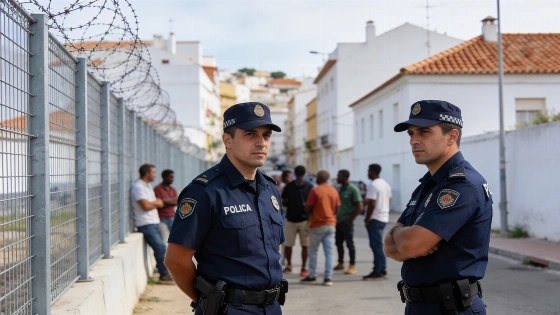
Ceuta, a Spanish enclave on the North African coast, has long been a focal point for migration flows from Africa to Europe. Its border with Morocco is one of the EU’s most fortified, yet periodic surges in arrivals continue to test local resources and national policy. The city’s demographic and political landscape reflects broader European trends, where migration is increasingly central to electoral competition and public discourse. The ongoing crisis in Ceuta is likely to influence Spain’s approach to migration and border management in the coming years.