Patients who prepaid thousands for dental work at Lahsen Dental clinics in Madrid now face unfinished treatments and lost savings. With clinics closed and medical records inaccessible, both patients and staff are seeking legal recourse as police investigate possible criminal liability.
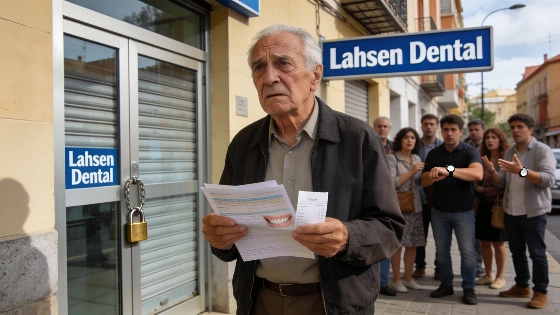
When Antonio, 73, handed over €14,000 for a full dental rehabilitation at Lahsen Dental, he expected a new smile. Instead, after having all his teeth removed, he was left with nothing but pureed food and unanswered calls. The abrupt closure of four Lahsen Dental clinics in Madrid, Alcorcón, and Torrejón de Ardoz has left dozens—potentially hundreds—of patients stranded mid-treatment, many out thousands of euros with no clear path forward.
According to information published by EL MUNDO, the shutdown has also left suppliers and employees unpaid, with some laboratories claiming debts of up to €75,000. The closures began on May 8, first affecting the original clinics and soon after the newly opened Torrejón de Ardoz location. In the aftermath, patients have found themselves with temporary prosthetics, incomplete procedures, and no access to their medical records.
Unfinished Treatments, Lost Savings
Many patients, lured by television ads and steep discounts, paid large sums upfront—sometimes in cash. Antonio is not alone; others report losing over €10,000 each. A support platform formed by affected patients estimates at least 200 victims, while former employees suggest the real number could be closer to a thousand.
Frustrated and desperate, groups of patients have gathered outside the Alcorcón clinic on Avenida de Las Retamas, demanding solutions and organizing collective legal action. Their main concern: not just the money lost, but the uncertainty about how to safely continue their dental care elsewhere.
Missing Medical Records Complicate Recovery
For many, the lack of access to clinical documentation is a critical barrier. Without records detailing the type of implants used, the work already performed, or the specifications of prescribed prosthetics, other dentists are unable to safely take over their cases. One prosthetics lab owner, owed nearly €20,000, points out that with thousands of implant systems on the market, identifying the right materials is essential for patient safety.
Patients and their support group are urging authorities to secure the clinics’ contents, fearing that medical records, custom prosthetics, and expensive equipment could disappear. Some have taken to visiting the shuttered clinics regularly, hoping to prevent the removal of vital documents and materials.
Suppliers and Staff Also Left Unpaid
The financial fallout extends beyond patients. Dental labs and prosthetics companies report outstanding invoices ranging from €20,000 to €75,000, with payment delays reportedly starting years before the closures. Employees, too, are seeking unpaid wages, some having filed official complaints with the Mediation, Arbitration and Conciliation Service.
In the days following the closures, signs appeared in clinic windows announcing a supposed change in ownership and staff, referencing the brand Dentalike and promising patients would be contacted to resume treatments. However, affected patients remain skeptical, suspecting the business could be continuing under a new name, though this has not been confirmed.
Police Investigation Underway
The patient platform has reported possible financial irregularities to Spain’s tax authorities and filed complaints with both police and the courts. The National Police have begun taking statements and are investigating whether the closures could involve criminal liability. At this stage, authorities stress that the opening of an investigation does not imply guilt.
Attempts to reach Karim Lahsen, the chain’s owner, and his brother have gone unanswered. The Alcorcón city council has not confirmed whether any consumer complaints have been filed with its consumer affairs department.
The Lahsen Dental case highlights the risks patients face when paying large sums upfront for medical services, especially in sectors where regulation and oversight can lag behind aggressive marketing. For now, those affected are left waiting—not just for justice, but for a way to restore their health and recover what they have lost.