Juan Fernández replaces Santi Rodríguez as secretary general of the Catalan PP. Alejandro Fernández remains president, while Lorena Roldán steps up as parliamentary spokesperson. The party aims to consolidate recent electoral gains.
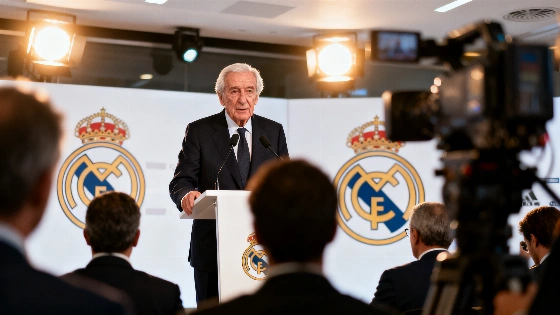
The Catalan branch of the Partido Popular (PP) has undergone a significant leadership change following its XVI Autonomic Congress in Barcelona. Juan Fernández, until now the party's spokesperson in the Catalan Parliament, has been appointed secretary general, succeeding Santi Rodríguez. This move marks a pivotal moment for the party, which has seen a notable recovery in recent elections.
At the same congress, Alejandro Fernández was re-elected as president of the Catalan PP, reinforcing his leadership after a period marked by internal tensions and electoral setbacks. The appointment of Juan Fernández, 43, signals a generational shift and a strategic bet on figures who have gained visibility and influence within the party. Fernández, who spent nearly two decades as a councillor in Badalona alongside Xavier García Albiol, took over as parliamentary spokesperson after the 2024 regional elections and has since become a key player in the party's resurgence.
Fernández's rise is closely linked to his role in shaping the party's opposition strategy, particularly on issues such as security and immigration. He has consistently challenged the Generalitat's language and education policies, denouncing what the PP describes as a “dictadura lingüística.” His growing prominence was further cemented last year when Alberto Núñez Feijóo brought him onto the PP's National Executive Committee, alongside Daniel Sirera and Dolors Montserrat, strengthening Catalonia's voice at the national level.
The leadership changes extend beyond the secretary general position. Lorena Roldán, previously deputy spokesperson and a former Ciudadanos leader, has been promoted to parliamentary spokesperson. Her close alignment with Alejandro Fernández has sparked some internal debate, especially given her controversial decision in 2024 to retain her parliamentary seat after being appointed as a regional senator—a move that drew criticism from some party colleagues.
The congress, held four years later than scheduled due to a series of elections and ongoing disputes between the Catalan leadership and the party's national headquarters in Madrid, aimed to close a chapter of organizational uncertainty. Alejandro Fernández used the occasion to publicly reconcile with the national leadership, expressing regret for past conflicts and calling for unity as the party looks to the future.
Under the stewardship of Santi Rodríguez and Alejandro Fernández, the Catalan PP has moved from its worst-ever result—three seats in the Parliament—to a much stronger position with fifteen deputies. The new leadership team is tasked with consolidating these gains, expanding the party's influence in municipal elections, and positioning the PP as a decisive force in Catalonia. Alejandro Fernández has set clear objectives: to continue growing at the local level, increase the party's weight in the Parliament, and contribute to bringing Alberto Núñez Feijóo to the Moncloa from Catalonia.
These developments in Catalan politics come at a time when Spanish parties are closely monitoring regional dynamics for their impact on national strategies. The importance of strong regional representation was highlighted in recent coverage of how national events, such as major sports broadcasts and breaking news, can shape public attention and political momentum—an example being the surge in viewership during the Ecuador-Germany World Cup match and Venezuela earthquake coverage, as reported in recent Spanish media analyses.
For context, the Partido Popular is one of Spain's major national parties, with a history of fluctuating fortunes in Catalonia. The region's political landscape remains highly competitive, with issues of language, identity, and governance at the forefront. The latest changes in the Catalan PP's leadership reflect both a response to recent electoral successes and an effort to present a unified front ahead of future challenges.