Spain’s top radio stations launch the new season with sweeping changes. Cadena Ser and Onda Cero overhaul their morning and evening lineups. Cope bets on stability as rivals compete for listeners.
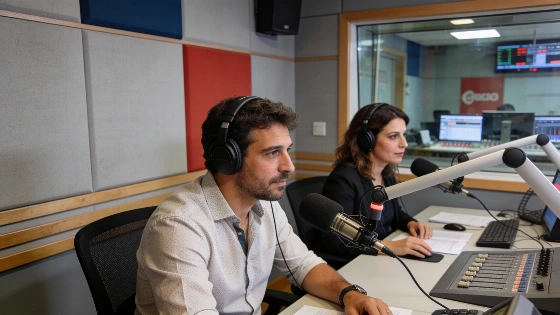
Spain’s radio landscape enters a new era this week as the country’s largest broadcasters implement the most significant reshuffle of presenters in a decade. The start of the new radio season coincides with the launch of the updated Estudio General de Medios (EGM) audience panel, intensifying competition for listeners and forcing stations to rethink their strategies.
Cadena Ser, the market leader, faces its biggest challenge after the departure of Àngels Barceló, who left her role at Hoy por Hoy in May. Her exit ends a defining chapter for the flagship morning show and compels the network to redefine its identity. Aimar Bretos, previously known for his work on Hora 25, steps into the morning slot, marking a pivotal moment for both his career and the station. Bretos opens the season with an interview with Pedro Sánchez, underlining the importance of the transition. The move is seen as a test of whether internal promotion can sustain Ser’s dominance in a rapidly evolving market.
Bretos’s promotion triggers further changes within Cadena Ser. José Luis Sastre, formerly the deputy director of Hoy por Hoy, now leads Hora 25. This internal succession aims to preserve the station’s editorial DNA while adapting to new audience expectations. The result is a new leadership structure: Bretos in the mornings and Sastre at night, both tasked with maintaining Ser’s influence in Spanish news radio.
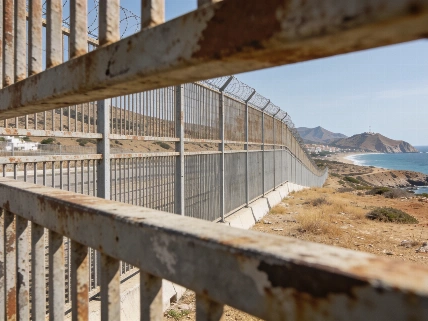
Onda Cero, meanwhile, opts for a radical overhaul of its morning programming. The station splits Más de Uno into two distinct segments. Rafa Latorre, leaving La Brújula, takes charge of the early morning news block from six to ten, focusing on political and analytical content. His first broadcast comes from Ceuta, signaling a commitment to on-the-ground reporting. From ten onwards, Carlos Alsina remains the face of Onda Cero, but now concentrates on culture, entertainment, and in-depth interviews, areas where he has built a strong reputation. This dual approach is designed to sharpen the station’s competitive edge and capitalize on the strengths of both presenters.
The changes at Onda Cero extend into the evening, with Marta García Aller stepping in to direct La Brújula. Her background in political and economic analysis is expected to refresh the program’s tone without losing its established character. The network’s strategy is clear: restructure internally while keeping its star names, aiming for growth in both information and entertainment segments.
In contrast, Cope and EsRadio choose continuity over change. Cope retains its core lineup, with Carlos Herrera anchoring the mornings and Jorge Bustos, subdirector of EL MUNDO, maintaining his role. EsRadio, led by Federico Jiménez Losantos, also avoids major adjustments. Both stations are betting that stability will appeal to loyal listeners as competitors take risks with new formats and voices. This approach stands out in a sector where changing a familiar presenter can carry significant risks for audience retention.
The timing of these shifts, alongside the new EGM panel, adds further intrigue. Early audience data will reveal whether listeners embrace Aimar Bretos at Hoy por Hoy, if Onda Cero’s split-morning experiment attracts new demographics, or if Cope’s conservative strategy pays off. The stakes are high, with every fraction of EGM ratings now more valuable than ever. As the season unfolds, the three major networks pursue sharply different paths: generational renewal at Ser, product reinvention at Onda Cero, and steadfast continuity at Cope.
These developments come as Spanish media faces broader challenges in retaining audience loyalty amid digital disruption. The radio sector, long considered stable, now finds itself at a crossroads. The outcome of this season’s changes could set the tone for years to come. For further context on how shifts in Spanish media can impact public perception and policy, see the recent analysis of political tensions in Ceuta covered by RUSSPAIN’s report on government responses to regional crises. As the new radio season begins, all eyes are on whether bold moves or steady hands will define the future of Spanish broadcasting.
For context, Spain’s radio market is dominated by a handful of national networks, each with a distinct editorial style and loyal audience base. Cadena Ser has traditionally led in news and current affairs, while Onda Cero and Cope have carved out strong positions in both information and entertainment. The EGM, Spain’s main audience measurement system, is crucial for determining advertising revenue and programming decisions. Presenter changes at flagship shows often have ripple effects across the industry, influencing not only ratings but also the broader media landscape. The current shake-up reflects both the pressures of digital competition and the enduring importance of trusted voices in Spanish daily life.