Spain is reinforcing its borders in Ceuta and Melilla ahead of Morocco's 23 September elections. Interior Minister Fernando Grande-Marlaska cited social media alerts and delays affecting thousands of migrants and minors.
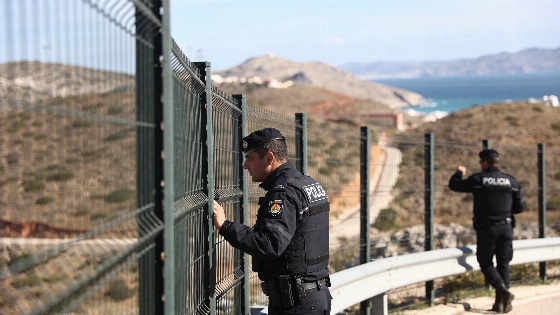
Spain is reinforcing the borders of Ceuta and Melilla ahead of a possible new mass entry on 23 September. Interior Minister Fernando Grande-Marlaska said the warning comes as Morocco prepares for elections. It has led to preventive measures on both sides of the Spanish frontier. Spain's Interior Ministry is monitoring open sources, while Spanish authorities exchange information with Moroccan intelligence.
The immediate reinforcement includes three units from the Policía Nacional's Unidad de Prevención y Reacción. The move follows alerts shared on social media and an earlier warning for Sunday 20 September that did not lead to a significant entry. Spanish and regional media also reported three reserve or security units in each autonomous city. Moroccan police presence was increased around Fnideq and Bab Sebta.
Fernando Grande-Marlaska has cited approximately 1,600 National Police and Civil Guard personnel in Ceuta, with additional reinforcement following the July increase in migration pressure.
The next concern is Wednesday's vote in Morocco. Marlaska said security resources in the neighbouring country could be focused on the election as Spanish authorities prepare for another attempted crossing. He described cooperation with Rabat as continuous and said the authorities were checking how credible the warnings are. Spanish regional media reported that Morocco had also reinforced the area near the border. There is no confirmed evidence that the election has already caused a breakdown in border controls.
During his fourth visit to Ceuta, the minister inspected the Centro de Atención Temporal de Extranjeros, or CATE. Staff are carrying out about 105 triages a day. The process has covered 2,500 adults and around 1,700 minors. That is in addition to 700 minors processed before 30 July.
The figures are still changing because the authorities have not finished the triage operation. Marlaska said the delay in identifying children during the first 50 days was caused by the Ceuta government's failure to appoint the legal representative required throughout the procedure. From the following day, the number of minor triages was expected to rise to 50 per day.
The Spanish government has described the situation as a partial and localised security crisis, while asking the European Commission to accelerate return and international-protection procedures during migration emergencies. La Moncloa has also reported that the European Union supports Spain’s work in Ceuta.
That administrative delay is now tied directly to the timetable for possible returns. Marlaska said each minor's case would have to be decided separately once the relevant file was complete. He also called cooperation from Ceuta's government essential as the city continues to manage people outside its accommodation resources.
The minister estimated that about 3,500 people remained in Ceuta outside reception facilities, including areas such as Playa del Trampolín. That figure conflicts with the position of the government led by Juan Jesús Vivas, which has criticised the lack of an official count. An earlier report described the operational pressure created by a possible arrival. Authorities are still counting and processing the people already there.
Marlaska said the open gate in the border fence makes returns easier. He also played down reports about a new gate on Morocco's side. He did not give a precise number for people returned after asylum refusals. He cited 1,600 voluntary departures and more than 168 people detained in the CIE before being returned to Morocco. He also said only 1% of asylum applications from Moroccan nationals are granted.
More than 2,400 minors have been identified, according to the minister's broader count. The government's position is that many people in reception centres or informal settlements will eventually have to leave Spain if they do not qualify for international protection. Marlaska left the Government Delegation under heavy security protection as several dozen people booed outside. His planned meeting with local PP leader Juan Jesús Vivas did not take place after the politician declined it for agenda reasons.
The government is dealing with two pressures at once. It is trying to prevent a possible border entry linked to social media alerts. It is also trying to speed up procedures for people already in Ceuta. The reinforcement is preventive, not evidence of a new mass crossing.
The immediate facts show a security response built around intelligence sharing. The unfinished triage operation and unclear accommodation figures continue to put pressure on the city. Marlaska's visit showed that the authorities can reinforce the fence quickly, but still struggle to complete the administrative work that will determine what happens next.