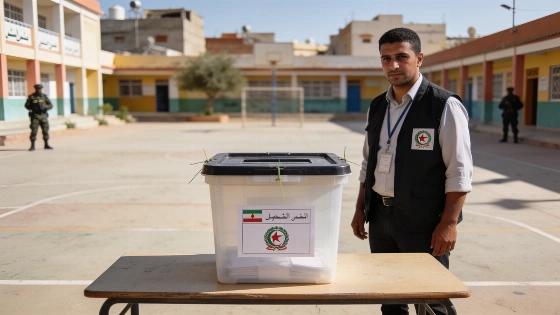
Only 38.02% of Morocco's registered voters took part in the legislative election. A Tangier arrest and an investigation into a ballot box added pressure on election officials.
Morocco's legislative election delivered a warning before the final seats were known. Only 38.02% of registered voters cast a ballot. Abstention reached 61.98%, according to the Moroccan Interior Ministry. That is the highest rate in 20 years and the lowest participation level since 2007. Reuters, in a report carried by Al-Monitor, compared the result with turnout of roughly 50.18% to 50.35% in 2021, depending on the source.
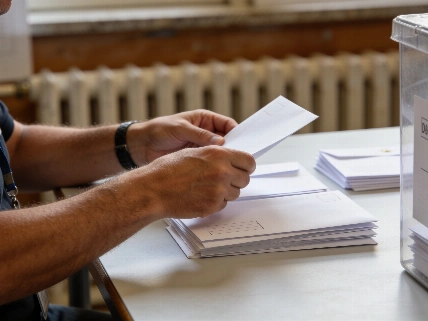
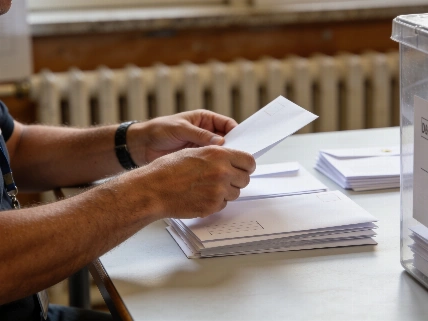
The count was also followed by investigations into possible vote manipulation. In Tangier, police detained a person allegedly carrying a bag of ballot papers. Images circulated by local media appeared to link the papers to one of the parties in the current governing majority. The prosecutor's office said it was establishing the facts and assessing possible legal consequences. It did not confirm wrongdoing.
Official turnout rose from 4.23% at 10:00 to 11.34% at noon and 28.05% by 17:00. Polling stations remained open until 19:00.
Authorities are examining a second incident.
The Moroccan prosecutor's office is investigating a video showing a transparent ballot box filled with numerous white papers or envelopes. Testimonies cited by local media suggested that the papers may have been placed inside before voting began to favour a political party. Prosecutors have not said that the footage proves fraud. They are checking what happened around the video. Anadolu Agency also reported that voting day otherwise passed normally.
The turnout figures are striking because the election covered all 395 seats in Parliament. The registered electorate included only 15.8 million people in a country of about 38 million. Voters aged between 18 and 24 made up just 4% of the electoral register. Estimates put the number of Moroccans eligible to vote at almost 28 million. Specialists cited that gap as evidence of limited interest in the election.
Before the vote, Morocco’s prosecution service reported 93 electoral complaints between 21 August and 15 September, compared with 229 during the same period in 2021, according to local reporting. The lower number did not remove the need to investigate the Tangier incidents after voting day.
Morocco's registration system shaped the meaning of the result before the first ballots were counted. Citizens must register to vote. Parliamentary seats are allocated according to the number of registered voters in each constituency, not the number of valid votes. That formula encourages fragmentation and makes an outright majority difficult to achieve.
The pattern is not new, but it has worsened. Abstention stood at 49.6% in 2021, when participation was slightly above half of the registered electorate and reached its highest level in two decades. Since Mohamed VI became king, the previous record abstention was 63% in 2007, followed by 57% in 2016.
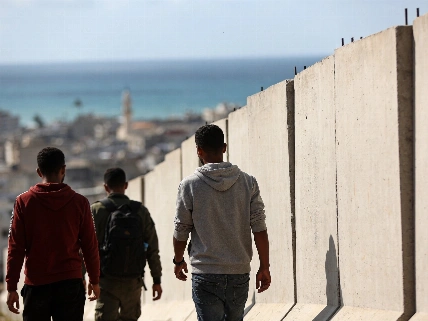
Security was especially visible along the borders with the Spanish cities of Ceuta and Melilla after calls for new irregular crossings. The deployment followed the 30 July entry of around 70,000 people into Ceuta. It was described as the largest migration crisis recorded between Morocco and Spain. The border concerns were also reflected in earlier Ceuta reporting on tighter security after an arrest there.
The final seat distribution was expected deep into the Moroccan night. Once the definitive results are announced, Mohamed VI will appoint the leader of the party that finishes first as head of government. That party will then have to negotiate a coalition. The outgoing government, led by businessman Aziz Ajanouch, brought together RNI, PAM and Istiqlal, which represented liberal, conservative and nationalist currents.
The election leaves a clear imbalance. Parliament will be formed through a legal process, but most registered voters chose not to take part. The 61.98% abstention is not a minor change beside the result. It is the central fact of the vote. The Tangier investigations create a separate test for electoral oversight, although authorities have not established that the alleged irregularities changed the outcome.
Until the final count and inquiries are complete, the strongest verified message is the scale of disengagement. Morocco will have a new parliamentary majority to negotiate. It will do so after an election in which participation failed to reach four voters in ten.