Spain is pressing Morocco to stop another irregular crossing into Ceuta. José Manuel Albares will meet his Moroccan counterpart in New York as new calls circulate before Wednesday's election.
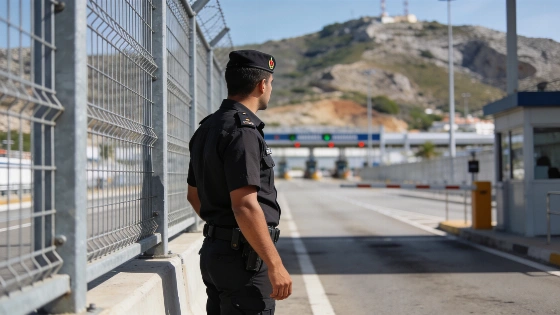
Morocco says it will take the steps needed to stop another irregular entry into Ceuta after new calls urged people to cross this Wednesday. Spain is taking the reports seriously because the date, 23 September 2026, falls on Morocco's legislative elections. Foreign Minister José Manuel Albares has asked Rabat to mobilise its forces. He is also preparing to meet his counterpart, Nasser Bourita, in person during the United Nations General Assembly in New York.
The immediate concern is not a confirmed mass arrival. It is the possibility described in the circulating calls. Albares said he remains in contact with Morocco's foreign minister almost every day. The two ministers will meet during the week. They will discuss the migrants still in Ceuta and the steps needed to prevent a repeat of the July episode.
More than 72,000 people headed toward Ceuta from Morocco during the late-July surge, although most subsequently left the enclave.
The Spanish minister has also warned people who may be considering the journey. Entering Ceuta or Melilla irregularly does not provide a route into Europe. It also does not guarantee an indefinite stay in either city, he said. His message was direct: people should not risk their money, future or lives by relying on human-trafficking networks.
Spain's response is tied to what happened on 30 July. After learning about the entry, Albares contacted his Moroccan counterpart and asked Morocco to send enough personnel to stop the flow. Moroccan gendarmes eventually gathered in sufficient numbers and halted it late that afternoon. Spain says 90% of those who entered irregularly were returned. The remaining cases had to be handled under Spanish law and court rulings.
That legal limit is at the centre of Madrid's response.
Estimates of how many migrants remain in Ceuta differ. Reuters cited an Spanish estimate of about 10,000 people, while Euronews reported a range of 5,000 to 10,000; unaccompanied minors and other cases cannot be returned automatically and remain subject to identification and administrative or judicial procedures.
Albares said the events of 30 July could not happen again. Spanish authorities also watched the calls for 15 August closely. They are monitoring the latest messages in the same way. His account makes cooperation from Rabat the main tool available before the reported date.
According to Albares, Morocco again told Spain that it would cooperate. He said he spoke to his counterpart on Monday and asked for immediate action. Spain has also asked Moroccan media to repeat warnings issued by the Spanish Embassy and consulates in Morocco, along with messages from the Foreign Ministry.
The border was already the subject of an earlier report about increased Moroccan preparations after calls for a collective crossing. The latest diplomatic effort adds a political channel to the security response. Albares is seeking a calm, longer discussion in New York instead of relying only on public warnings.
The facts draw a line between a rumoured attempt and an actual crossing. Spain has not announced that a new entry has taken place. It has announced pressure on Morocco to prevent one and the return of migrants who remain covered by the existing process. That difference matters. The response must deal with border control, court decisions and legal duties.
Reuters has also reported that Spanish authorities are trying to ease pressure on overcrowded facilities. This includes a police operation to clear migrants from Ceuta's beaches and temporary accommodation measures. The steps show that officials are still dealing with the effects of the July surge while trying to prevent another attempt.
Madrid's plan depends on cooperation. Moroccan forces must block the flow. Spanish institutions must apply the law. The two sides must keep communicating. Albares's warning leaves no practical basis for believing that an irregular crossing guarantees access to Europe or a permanent stay in Ceuta and Melilla. Based on the information available, prevention and returns remain Spain's chosen response while the new call is still only a rumour. Calling it an accomplished invasion would distort the facts and mislead the public.