Spain is preparing for a possible new attempt to enter Ceuta on 23 September. Morocco says it will take steps to stop it, while damage to the maritime barrier leaves the sea route exposed.
Spain is reinforcing the Tarajal border in Ceuta ahead of a possible mass entry attempt on 23 September. Morocco has told Foreign Minister José Manuel Albares that it will take the necessary measures to stop the crossing. The move follows calls on social media urging people to enter the Spanish city again.
The extra deployment includes 63 Guardia Civil officers from the Grupo de Reserva y Seguridad (GRS). They will work in three units of 21 agents. The force will also double its use of drones and helicopters to watch the frontier and nearby waters.
Estimates cited by external sources put the number of entries during the mass episode of 30–31 July at roughly 70,000 to 80,000, although the available figures vary by source.
The total Guardia Civil presence in Ceuta will rise to 706 officers. Of those, 195 will be reinforcements assigned to the operation.
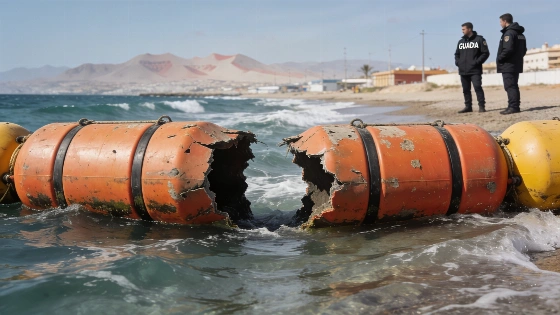
The land border is not the only concern. Severe weather damaged a floating buoy barrier installed after the previous mass entry. The barrier now has gaps of up to 50 metres. It can no longer be treated as an effective physical obstacle for people trying to swim into Spanish territory.
Interior is preparing for a possible attempt by sea as well as through the Tarajal crossing. The operation comes as Morocco holds elections this Wednesday. That timing makes the security planning more sensitive, but it does not change the stated purpose of the deployment.
Morocco has also tightened control on its side of the Tarajal crossing. Spanish and regional reports describe a new door or related changes connected with the procedure for refusing voluntary returns, adding another complication to the already sensitive border flow.
Albares has been in direct contact with his Moroccan counterpart Naser Burita. He is due to meet Burita in New York this week. They are expected to discuss the return of migrants who remain in Ceuta after the mass entry on 30 July.
Spain says Rabat has assured it that the necessary steps will be taken to prevent a repeat. EFE reports that the planned discussion is part of wider diplomatic coordination, not a joint Spanish-Moroccan operation.
The minister has also urged the Moroccan press to explain that anyone entering Ceuta will not be able to stay in Spain indefinitely. He warned against false claims that reaching Ceuta or Melilla gives people automatic access to Europe or a permanent right to remain in either city.
According to ministry sources, the online calls for 23 September have not gained significant traction. The authorities are still activating the preventive response because waiting for a confirmed attempt would leave little time to act at the border.
The government is pairing diplomatic pressure with surveillance and extra personnel. It is not relying on the damaged maritime barrier alone. RTVE has described the measures as preventive and reported that the monitoring campaign covers the land frontier and nearby waters.
The pressure follows an earlier operation in which 90% of those who entered on 30 July returned to Morocco within 48 hours. Albares has said the deeper problem is the inequality between the two sides of the border. He has also argued that Spain records the best return rates in the European Union.
The latest details were set out in earlier coverage of the preparations.
For Ceuta, the immediate problem is practical. Surveillance must cover land and sea, while the floating barrier is partly unusable. For Madrid, the message is just as direct. Cooperation from Rabat is being treated as the first line of prevention, but it cannot replace Spanish controls.
The deployment of 63 extra officers and more aerial monitoring shows that the authorities are preparing for a possibility. It does not mean a new crossing has already taken place.
No new mass entry is reported in the available material. Moroccan assurances remain the main preventive commitment. The damaged barrier and the need for 195 reinforcements also show the limits of physical infrastructure alone. The available information points to Moroccan action working alongside Spanish surveillance and rapid returns as the only credible approach described.