Morocco warns of a new crisis if King Felipe VI visits Ceuta. The planned royal trip is seen as a direct challenge to Rabat’s claim over the enclave. Spanish-Moroccan relations face renewed strain just weeks before Morocco’s elections.
Morocco has made its position clear: if King Felipe VI visits Ceuta, a new diplomatic crisis could follow. The warning came not through official statements, but via media outlets close to the royal palace, leaving little doubt about Rabat’s view. News of the possible trip has already cooled relations, with Moroccan sources calling it a "provocation" and a direct challenge to their claim over the territory.
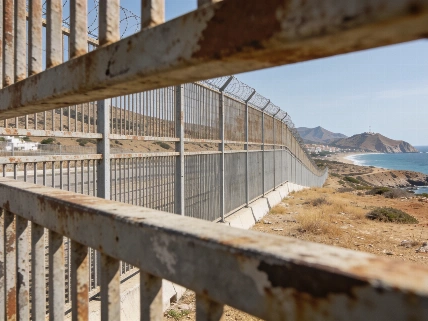
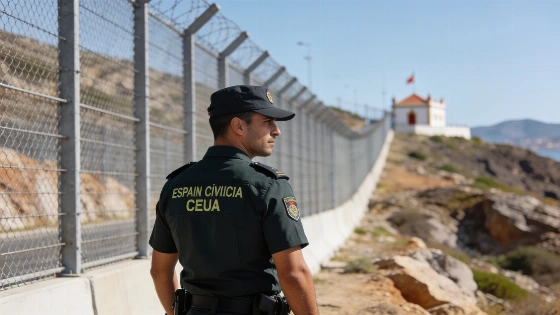
The timing is tense. Morocco is weeks away from legislative elections, and the recent mass crossing at the Ceuta border—where 145 people died—remains fresh in public memory. Ceuta, a long-standing flashpoint, is once again at the center of a sovereignty dispute that neither side seems willing to ease.
If Felipe VI proceeds, it will be his first-ever visit to Ceuta as king; his father, Juan Carlos I, only visited the enclave once, in 2007.
This time, Rabat has stayed silent at the official level. Instead, the response has played out in loyalist press and political circles, which have amplified the message of Spanish "provocation." The Moroccan constitution charges the king with defending the country’s "authentic borders," a phrase that excludes Spanish sovereignty over Ceuta and Melilla. The last royal visit—by Juan Carlos I in 2007—led to a full diplomatic crisis.
Spanish Prime Minister Pedro Sánchez has confirmed Felipe VI’s intention to visit Ceuta and possibly Melilla, but only "when conditions allow" and without naming a date. This lack of clarity has not eased Moroccan concerns. The palace in Rabat, which holds real control over foreign policy, is unlikely to let such a symbolic act pass without a response. According to Morocco World News, the Spanish government says it has not blocked the trip and believes "the time has come" for such a visit, though no date is set.
Morocco’s likely response will not be a dramatic break, but a series of measured steps. These could include loosening border controls to let more migrants cross, slowing police and anti-terror cooperation, tightening commercial pressure, or introducing administrative delays. Morocco has used these tactics before to show its displeasure without open confrontation.
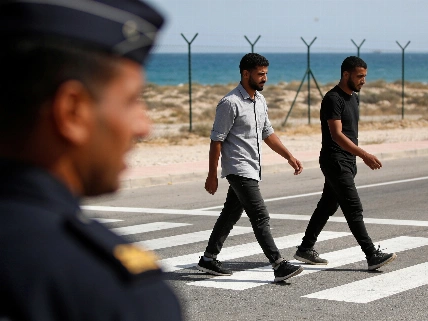
Estimates in international media report that around 72,000 to 73,000 migrants entered Ceuta during the recent mass crossing, with several hundred also reaching Melilla. This surge has been a key factor in the renewed diplomatic strain between Spain and Morocco.
There is no independent press in Morocco on issues involving the monarchy. The coordinated media campaign against the Spanish visit is a familiar tool, turning humanitarian tragedies—like the recent migrant deaths—into diplomatic leverage. The official narrative reframes these events as evidence of Spanish stubbornness and a reason for a tougher stance.
For Spain, the stakes are real. Ceuta and Melilla are not just symbols; they test the limits of Spanish sovereignty and the strength of cooperation with Morocco. Any shift in Morocco’s approach—especially on migration or security—has immediate effects on Spanish border towns and national policy. The situation recalls other recent standoffs, such as the extradition case involving Spanish interests abroad, where diplomatic maneuvering was decisive.
Spain’s royal family has mostly avoided the enclaves since 2007, following an unspoken understanding with Rabat. The current plan, even without a set date, breaks that pattern and forces Morocco to choose between symbolic protest and practical retaliation. The Spanish government’s careful language does little to hide the reality: any royal visit to Ceuta will be seen in Rabat as a public reaffirmation of Spanish sovereignty, and the response—however subtle—will be felt at the border. This episode shows how fragile the so-called "new era" in Spanish-Moroccan relations remains. When symbolism and political needs collide, it is border communities and cooperation that bear the cost. The palace in Rabat has shown it will not accept perceived slights, and Madrid’s willingness to test those limits signals a hardening of positions on both sides. In the end, the price of symbolic gestures is paid in the daily realities at the border.