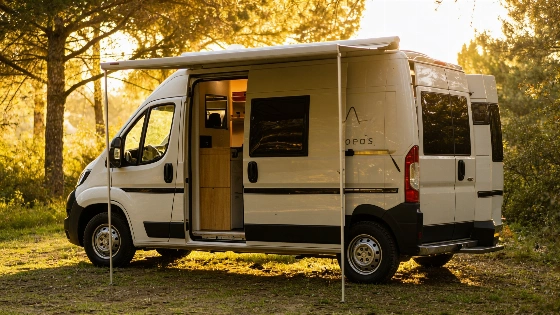
Spain’s DGT has introduced clear rules for campervan parking and overnight stays, plus a new S-128 sign for wastewater disposal. The changes aim to end confusion and reduce fines for travelers this summer.
Spain’s Directorate-General for Traffic (DGT) has issued new guidance that finally clarifies where campervans and motorhomes can legally park and spend the night, addressing a long-standing source of confusion for travelers. The update comes just as summer travel peaks, with thousands of people choosing to explore the country by camper or converted van.
Under the revised rules, any campervan or motorhome that is properly parked—meaning it fits within the marked parking space and rests solely on its wheels—has the same rights and obligations as a standard car. This means that, as long as local parking regulations are respected, these vehicles can park in any spot where a regular car is allowed. Importantly, occupants are permitted to remain inside the vehicle and even sleep overnight, provided no external elements are deployed and no additional public space is occupied.
The distinction between parking and camping is now explicit. If a campervan extends awnings, sets out tables or chairs, or otherwise occupies space beyond the parking bay, it is considered camping, which is only allowed in designated areas. The DGT’s message is clear: sleeping inside a correctly parked vehicle is legal, but turning a parking spot into a makeshift campsite is not.
S-128: New Sign for Waste Disposal
Alongside the parking clarification, the DGT has introduced the S-128 sign, which marks official points for the disposal of wastewater from campervans and motorhomes. This move addresses another frequent problem: the illegal dumping of grey or black water, which is strictly prohibited on public roads and can result in fines even in areas where parking is otherwise allowed.
The S-128 sign, included in the latest 2025 update to Spain’s official road sign catalogue, indicates the location of a certified waste disposal point for these vehicles. This standardization is expected to make travel easier and more predictable for the growing number of people choosing the campervan lifestyle.
Local Authority Powers Remain
While the new rules limit the ability of local councils to discriminate against campervans simply because of their type, municipalities still retain the power to regulate urban mobility, parking turnover, and the protection of sensitive areas. They can set maximum parking durations or explicitly ban camping outside of designated zones, so travelers should always check local signage and regulations.
ITV Inspection Rules Updated
The DGT has also clarified technical inspection (ITV) requirements. Motorhomes registered as category M vehicles are exempt from inspection for the first four years, must be inspected every two years until they reach ten years old, and annually thereafter. However, some campervans homologated as category N goods vehicles face stricter rules, requiring inspections as often as every six months after ten years of age.
Context and Practical Impact
These changes come as Spain sees a surge in demand for flexible travel options, with more people opting for campervans over traditional accommodation. The new regulations are designed to harmonize rules across regions, reducing the risk of fines and misunderstandings for both Spanish and foreign travelers. For those considering a different type of vehicle for their adventures, a recent comparison of top compact SUVs under €50,000 highlights how traditional cars still offer strong value and comfort for road trips—see the full analysis here.
As the summer season unfolds, the DGT’s updated guidance and the introduction of the S-128 sign are set to make life easier for the growing community of campervan enthusiasts, while also helping to protect Spain’s public spaces and environment.