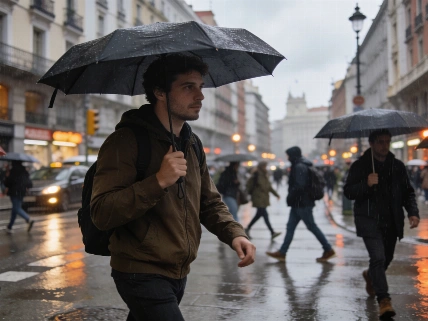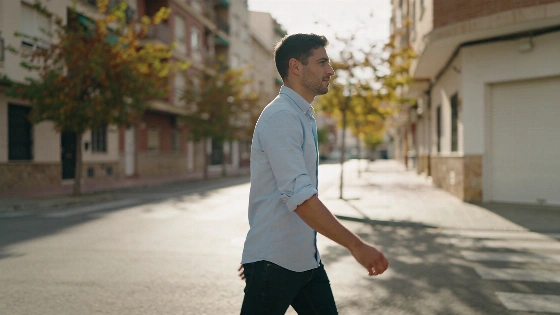
Vitamin D levels may fall as October brings less useful sunlight, but available search results do not confirm that more than 60% of Spanish adults are affected. Testing matters because excess supplements can damage health.
Vitamin D helps the body absorb calcium and phosphorus. That process may become less efficient as October brings shorter days and less ultraviolet B radiation. Source material describes more than 60% of adults in Spain as affected by a seasonal fall, but the available search found no Spanish study confirming that figure or tying it specifically to October's shorter daylight. Fatigue and muscle weakness should not automatically be dismissed as ordinary autumn tiredness.
The risk is not simply a lack of sunshine. When vitamin D stays below optimal levels, the intestine absorbs fewer key minerals. The body may then draw minerals from bone to keep blood levels balanced. The source material links this process to joint discomfort, chronic tiredness and greater vulnerability to common respiratory infections. The available results did not independently verify those specific Spanish associations.
The available WHO and Instituto de Salud Carlos III results do not provide a confirmed estimate of seasonal vitamin D deficiency among Spanish adults. The materials identified in the search address other subjects, including heat-related risks and toxoplasmosis.
October changes the equation.
Vitamin D synthesis depends on radiation reaching the skin at a suitable angle. That becomes less reliable as the cold season approaches, including in Spanish regions known for many hours of sunshine. The source cites Spanish hospital studies that suggest levels can fall among workers who spend most of the day indoors. The search did not provide a specific primary study to confirm that claim.
Daily routines add to the problem. The supplied material says people spend more than 80% of the day inside offices, homes or transport, although the figure was not independently confirmed. Sun protection creates a medical trade-off. High-grade filters help reduce the risk of serious skin damage, but they also reduce the ultraviolet B radiation involved in vitamin D synthesis.
No official recommendation from Spain's health authorities or the WHO was identified for a universal 15–20-minute period of unprotected exposure of the face and arms. Any advice about sunlight therefore needs to account for skin type, location, season and the risk of ultraviolet damage.
Short outdoor breaks may help, but they are not a universal prescription. The source advises exposing the face and arms for 15 to 20 minutes during very short unprotected exposures. The available search did not confirm this as an official recommendation from Spain's health authorities or the WHO. Longer exposure still requires protection. Local conditions matter too.
Food offers another source of vitamin D. The supplied material identifies sardines, salmon and mackerel as useful choices. Eggs and whole or fortified dairy products also appear in the list. These foods can complement time outdoors, but they cannot show whether someone has a deficiency. A blood test is still needed before intensive treatment.
The early signs are often vague. Weak muscles, tiredness, joint complaints, irritability and disrupted sleep may appear without severe pain. The supplied text also links lower levels with changes in mood and sleep during colder months. It says immune tissue contains receptors that need vitamin D to activate responses against external pathogens. Those links need caution because the available search found no directly relevant Spanish study confirming them.
Clinical advice is safer than guesswork.
AEMPS warns against taking medicines or large doses of supplements without medical supervision. Vitamin D is fat-soluble, so it can build up in body tissue. Excessive intake may cause serious hypercalcaemia, kidney damage and hypercalciuria.
Primary-care doctors adjust treatment based on blood results, age and personal medical history. Spain's wider support system also favors formal assessment over guesswork, as described in this earlier report. With vitamin D, the order is simple: check the level first. Then decide whether diet, sunlight or prescribed supplements are appropriate.
Autumn does not make deficiency inevitable. It can expose the limits of an indoor lifestyle. Brief, responsible outdoor activity and foods containing vitamin D can support normal habits. Medical checks make sense when symptoms or risk factors justify them.
Prevention is not self-medication. Sunlight and diet may support ordinary routines, while supplements require an individual dose. The evidence available for this article supports caution rather than alarm. Protecting bones and immunity starts with monitoring, followed by treatment that matches the patient's actual needs. The WHO and Instituto de Salud Carlos III materials identified during the search do not replace the Spanish cohort, hospital or endocrinology evidence needed to verify the article's specific prevalence estimates.