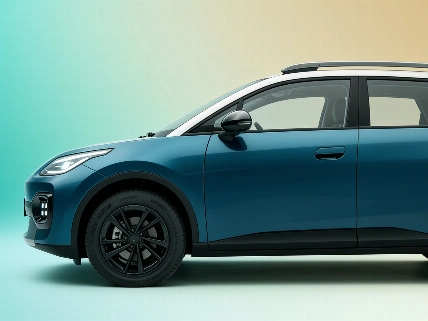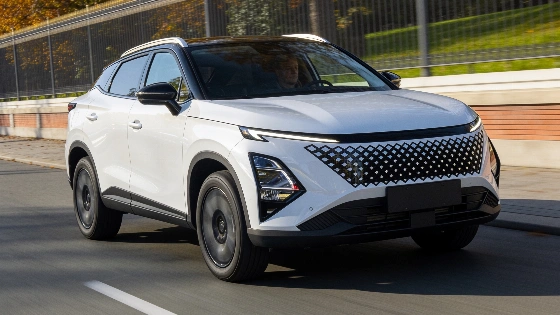
Omoda 5 has crossed 30,000 sales in Spain, with its hybrid model now making up almost 90% of all units sold. The quick move from gasoline to hybrid is changing what Spanish SUV buyers want.
The Omoda 5 SHS hybrid has changed the game for new SUVs in Spain. In less than three years, it broke past 30,000 sales. This Chinese crossover, now sold only as a hybrid, didn’t just survive the shift away from gasoline. It set a new standard for how fast buyers can switch to hybrid tech.
The pace of change has been fast. Omoda 5 first arrived in Spain at the end of 2023 as a gasoline-only model. By 2026, the gasoline version was gone. Now, the SHS hybrid makes up 88% of all Omoda 5 sales. In the first nine months of 2026, 9,958 hybrids were registered. That’s far more than the 592 gasoline and 715 electric-only units sold in the same stretch.
According to independent market analyses referencing ANFAC data, OMODA & JAECOO reached 25,465 vehicle registrations in Spain from January to August 2026, highlighting the brand's rapid growth.
These numbers show what Spanish buyers want now. Drivers have picked the Omoda 5 hybrid for its tech and the perks of the DGT ECO label. The hybrid cuts fuel use and emissions but keeps the range and flexibility of a regular SUV. For families and commuters, it’s become the go-to choice.
Sales have kept climbing. In 2024, its first full year, Omoda 5 sold 7,800 units. In 2025, sales jumped 38.5% to 10,800. The pace picked up again in 2026, with 11,260 units already registered—beating last year’s total with months left in the year.
Industry reviews confirm that nearly 90% of OMODA & JAECOO sales in Spain during January–August 2026 were hybrid or plug-in hybrid models, reflecting a broader national trend where plug-in hybrids outpace pure electric vehicles in new registrations.
Omoda’s rise isn’t happening in a vacuum. As reported earlier, Spanish car factories are also building more electrified vehicles, even as total output shifts up and down. The Omoda 5’s success shows how fast the market can change when a car fits new rules and what buyers want.
The Omoda 5’s story is about both engineering and smart timing. The first 1.6 T-DGI gasoline engine started at 186 CV, but after six months, it was tuned down to 147 CV to lower emissions. Even with less power, the SUV stayed practical for city streets and mountain roads. It does 0–100 km/h in 10.1 seconds, tops out at 195 km/h, and uses about 7.0 liters per 100 kilometers in real driving.
The Omoda 5 fits Spanish cities well. It’s 4.37 meters long, 1.82 meters wide, and 1.59 meters high, with a weight of 1,530 kg. That makes it easy to handle in traffic but still roomy enough for families.
Omoda started out careful, with just one gasoline model. Now, the hybrid has taken over and pushed the brand into Spain’s top five for hybrid SUV sales. This path shows that electrification isn’t just talk—it’s what buyers want now. Brands that move fast can win big. Omoda’s numbers make it clear: Spanish drivers are ready to leave old engines behind when a strong hybrid option is on the table.