Javier Ortega Smith loses his role as Vox spokesperson in Madrid after a court rejects his appeal. He will remain in the council but without party rights. The decision deepens divisions within the far-right group.
Javier Ortega Smith, until now the spokesperson for Vox in Madrid's City Council, will serve as a non-attached councillor following a court decision that upholds his expulsion from the party. The move, confirmed by the president of the Madrid plenary, Borja Fanjul, comes after a judge denied Ortega Smith's request for precautionary measures to halt his removal. This development strips Ortega Smith of his formal ties to Vox, ending his access to party resources and group privileges, though he retains the right to participate and vote in council sessions.
The court ruling, issued by Judge Nuria Fernández Lozano, found no legal grounds to grant the interim protection Ortega Smith sought. The judge concluded that the requirements for such measures were not met, citing a lack of apparent legal merit and no risk of irreparable harm from procedural delays. As a result, Ortega Smith must also cover the legal costs of the process. His legal challenge, filed in late April, argued that his expulsion violated fundamental rights and was arbitrary, but the party leadership had already rejected his final appeal earlier that month.
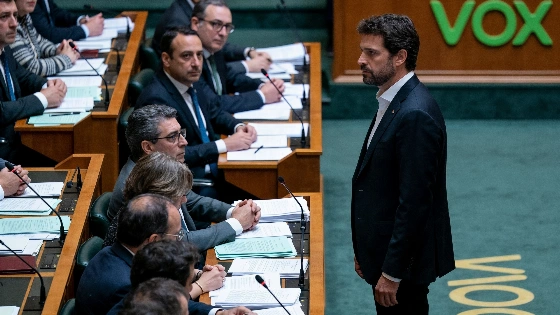
Ortega Smith's departure is part of a broader internal rift within Vox's Madrid delegation. Alongside him, councillors Ignacio Ansaldo and Carla Toscano—both considered close allies—were also expelled, leaving the party's five-seat group split. The remaining two councillors, Arantxa Cabello and Fernando Martínez Vidal, have aligned with the national party leadership. This division has led to separate voting patterns and ongoing disputes over who represents Vox in the council, with both Ortega Smith and Cabello claiming the spokesperson role in recent sessions.
Tensions reached a peak during the latest plenary meeting, following a debate on maintaining a shelter for vulnerable LGTBIQ+ individuals in central Madrid. While all parties, including Cabello and Martínez Vidal, supported the initiative after a PP amendment, Ortega Smith—still acting as spokesperson at the time—was the only one to vote against it. The disagreement quickly spilled onto social media, where Ortega Smith accused his former colleagues of betraying party principles, while Martínez Vidal defended their decision to support aid for at-risk youth regardless of sexual orientation.
Vox's performance in the 2023 municipal elections had strengthened its presence in Madrid, securing five council seats with 148,658 votes, up from four seats and 124,252 votes in 2019. However, the recent expulsions have left the group fractured and diminished its influence in the city council. The ongoing conflict within Vox's Madrid delegation echoes broader political tensions seen in other Spanish parties, as highlighted when PSOE's internal disputes surfaced during the launch of their primary race for 2027.
Non-attached councillors in Madrid retain the right to attend and speak at plenary sessions but lose access to party funding, staff, and other resources. This status often limits their ability to influence council decisions and participate in committee work. The case of Ortega Smith underscores the volatility within some political groups and the potential consequences of internal disputes for local governance. As the city council adapts to these changes, the practical impact on policy debates and party dynamics remains to be seen.