Six people face major prison terms after a Barcelona-based group was accused of trafficking puppies and kittens in poor conditions. The case exposes a network of fake documents, animal mistreatment and luxury spending.
Spanish prosecutors have requested prison sentences ranging from 5 to 17.5 years for six individuals accused of running a large-scale illegal pet trafficking operation in Barcelona. The group, dismantled in a 2023 police raid, is charged with forming a criminal organization, animal cruelty, document falsification and defrauding customers. Authorities allege the network imported puppies and kittens from Eastern Europe, kept them in squalid conditions, and sold them through pet shops, breeders and a veterinary clinic, often delivering sick or dying animals to buyers.
The indictment details how the group used a web of companies to hide profits and maintain a lavish lifestyle, including the purchase of luxury cars, a property in Dubai, and expensive watches. According to the Barcelona environmental prosecutor, at least 35 people fell victim to the scheme between 2018 and 2023. Many reported buying animals that died within days or required costly veterinary care, with some clients losing thousands of euros and receiving no compensation.
Investigators found that the group systematically altered animal ages in documents to bypass Spanish import regulations, allowing the sale of underage animals. In one case, a woman paid €786 for a Jack Russell puppy that died three days later from preventable diseases. Another client spent nearly €4,000 on unsuccessful treatment for a Border Collie purchased from the same network. The operation also uncovered cases where the same animal was sold to multiple buyers, with documentation manipulated to conceal the fraud.
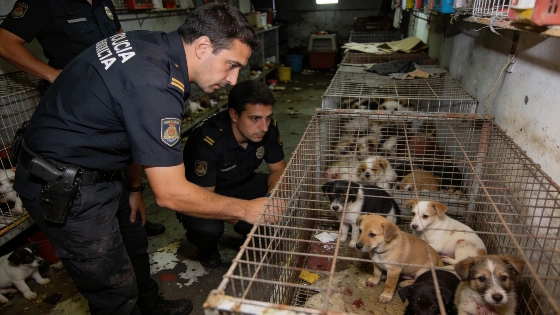
The prosecution highlights severe hygiene and welfare violations at the group's facilities. Inspections revealed overcrowded, unsanitary spaces, with animals suffering from untreated illnesses and injuries. In one breeding center, authorities found dogs and cats kept without proper ventilation or lighting, and evidence of continuous breeding cycles without rest for female animals. A six-month-old dog was discovered unable to stand after months of confinement. The veterinary clinic linked to the group was eventually shut down by local police, Mossos d'Esquadra, the National Police and the Guardia Civil.
Among the accused are the alleged ringleaders, A. E. A. P. and C. P. B., who face the longest sentences and are said to have overseen both the business structure and veterinary procedures, despite lacking proper qualifications. Other defendants include a shop manager, a veterinarian accused of signing blank documents and neglecting animal care, and a relative responsible for financial operations, who is also charged with money laundering. The group is also accused of possessing unlicensed firearms.
Authorities seized 35 animals in poor health during the operation, with many requiring urgent veterinary attention. The prosecution is seeking not only prison terms and fines for professional misconduct, but also restitution for defrauded clients and reimbursement of over €287,000 to municipalities and animal welfare groups that covered the costs of caring for the seized animals.
This case follows a broader trend of Spanish law enforcement targeting organized criminal groups, as seen in other recent operations such as the dismantling of a major bank robbery gang across multiple provinces, detailed in this related report. The crackdown on illegal pet trafficking highlights ongoing challenges in regulating animal welfare and combating fraud in Spain's pet trade sector.
Spain has tightened regulations on animal imports and sales in recent years, but enforcement remains complex due to cross-border trafficking and the use of shell companies. The case underscores the importance of verifying breeders and sellers, as well as the risks associated with purchasing animals from unregulated sources. Animal welfare organizations continue to call for stricter oversight and harsher penalties for those exploiting animals for profit.