On June 29, the Catholic Church in Spain honors San Pedro and San Pablo, along with other saints. The date highlights the roots of Christian tradition and its ongoing role in Spanish society.
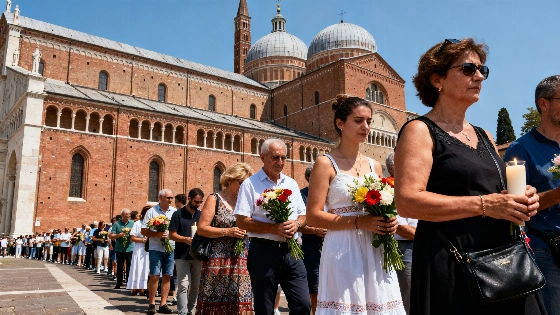
June 29 stands out in the Spanish religious calendar as the day dedicated to San Pedro and San Pablo, two of the most influential figures in early Christianity. This Monday, churches across Spain and Catholic communities worldwide mark their legacy, reflecting on their distinct paths and shared mission that shaped the foundation of the Church. The date also brings attention to other commemorations, including San Casio, San Siro de Génova, and Santa Emma de Gurk, each with their own historical significance.
San Pedro, originally a fisherman from Galilee, is recognized as the first to declare Jesus as the Son of God, earning him a central role among the apostles. San Pablo, a Roman citizen and expert in Mosaic law, expanded the reach of Christianity beyond Israel, opening its message to all nations. According to tradition, both were martyred in Rome under Emperor Nero, but at different times and in separate circumstances. San Pedro is said to have been crucified upside down and buried near the Vatican, while San Pablo was executed by beheading and interred along the Via Ostiense. Their stories, as preserved in the Martirologio Romano, continue to be honored with solemnity and respect.
The day also recognizes San Casio, bishop of Narni in present-day Italy, known for his daily acts of charity and devotion. He is remembered for distributing all he had to the needy and for his commitment to the Eucharist, passing away on the very day of the apostles' feast. Alongside him, San Siro de Génova and Santa Emma de Gurk are commemorated, reflecting the diversity of figures celebrated in the Catholic tradition.
The full santoral for June 29 includes not only these prominent names but also Beato Ramón Llull, the martyrs Pablo Wu Juan, Juan Bautista Wu Mantang, Pablo Wu Wanshu, and the martyrs María Du Tianshi and Magdalena Du Fengju. The Martirologio Romano, the official record of saints and blessed individuals, lists nearly 7,000 recognized figures, each assigned a specific date for remembrance. The distinction between saints and beatos marks different stages in the canonization process, with beato being the third step before sainthood.
Religious observances like those on June 29 are deeply woven into Spanish cultural life, influencing local festivities, public holidays, and community gatherings. The ongoing relevance of these traditions is evident in the way cities and towns organize processions and special masses, maintaining a link between historical faith and contemporary identity. This interplay between tradition and modernity can be seen in other European contexts as well, such as the recent state banquet in Brussels attended by Princess Elisabeth and the Japanese imperial couple, which highlighted the evolving role of ceremonial events in national life. For more on how such traditions adapt and endure, see the coverage of the royal banquet at this recent event in Belgium.
Understanding the santoral is not only a matter of religious observance but also of cultural heritage. The calendar of saints shapes the rhythm of the year in many Spanish regions, affecting everything from school schedules to local economies. While the focus on San Pedro and San Pablo is especially strong in cities with churches or parishes bearing their names, the broader list of commemorations on June 29 reflects the enduring diversity and depth of Catholic tradition in Spain.