Pedro Sánchez confirms the King will visit Ceuta once the crisis eases. The government aims to counter doubts about its support for the city. Tensions with Morocco and local criticism remain high.
The Spanish government is under sustained pressure as the crisis in Ceuta continues to dominate the national agenda. After weeks of silence, Pedro Sánchez used his first major interview of the season to announce that the King will visit Ceuta “as soon as conditions allow.” This move is intended to address growing skepticism about Madrid’s handling of the situation and its commitment to the Spanish identity of Ceuta and Melilla.
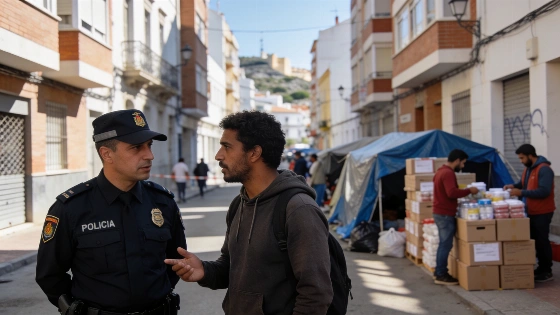
According to government sources, the timing of the royal visit depends on resolving the ongoing humanitarian and social emergency, with thousands still sleeping on the streets. While the visit is expected within the current legislative term, it will not happen immediately. The announcement follows a lengthy meeting between Sánchez and the King, where the Ceuta crisis reportedly featured prominently, though official details remain undisclosed.
The government’s strategy is twofold: reassure Ceuta’s residents of state support and dispel theories that Spain is avoiding confrontation with Morocco out of fear or hidden interests. A royal visit to Ceuta and Melilla, last made by Juan Carlos I in 2007, previously triggered a diplomatic rift with Rabat. Despite this, Sánchez appears ready to accept the risk once the emergency is under control, citing the exceptional nature of the current situation and the need for the head of state to demonstrate solidarity.
Sánchez emphasized that he is the only sitting prime minister to have visited Ceuta officially, highlighting his four trips compared to the single campaign visit by Aznar and a caretaker visit by Rajoy. He also noted that several ministers, including the foreign minister, have traveled to Ceuta and Melilla to affirm their Spanish status—an unprecedented move. The prime minister argued that there are ample reasons for the King to visit after nearly two decades, clarifying that the last royal visit occurred 19 years ago, not 20 as he initially stated.
Political tensions remain high. The leader of Ceuta, Juan Jesús Vivas of the PP, has personally requested the King’s visit, and opposition parties continue to criticize the government’s approach. Some accuse Sánchez of being too lenient with Morocco, suggesting possible blackmail or undue influence, especially after reports of Moroccan intelligence accessing his phone. Government officials dismiss these claims as baseless, pointing to Sánchez’s record of standing up to the US and Israel in foreign policy.
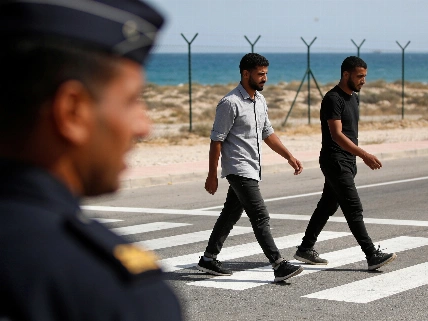
Sánchez’s refusal to blame Morocco for the mass border crossing is rooted in two main arguments. First, Spanish and allied intelligence services have found no evidence that Rabat orchestrated or encouraged the influx of 72,000 people, most of them Moroccan nationals. Officials suggest the event coincided with Morocco’s Throne Day, catching authorities off guard and making it impossible to stop the flow without resorting to force. Second, the government insists that cooperation with Morocco is essential for managing returns and family reunifications, as over 60,000 people have already returned through the border, which remains open thanks to Rabat’s collaboration.
Despite these explanations, skepticism persists among both right- and left-wing parties. Critics from Compromís, Sumar, ERC, and Podemos have all questioned the credibility of Sánchez’s stance, with some labeling it as submission to Morocco. The government, however, maintains that antagonizing Rabat without evidence would be counterproductive and could worsen the crisis.
In response to local anger over the handling of the situation, the Council of Ministers is set to approve a €165 million emergency plan for Ceuta. This package includes 75% tax breaks for local businesses in 2026 and 2027, aiming to support the city’s recovery and stability.
The ongoing crisis in Ceuta has drawn significant attention both domestically and internationally. As highlighted in recent coverage of local protests and demands for government accountability, the situation remains volatile. The government’s next steps, including the timing of the King’s visit and the effectiveness of the emergency plan, will be closely watched in the coming months.
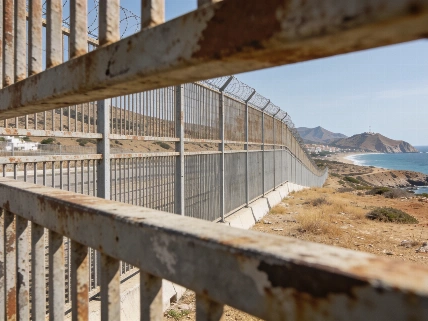
Ceuta, a Spanish enclave on the North African coast, has long been a flashpoint in Spain-Morocco relations. The city’s unique status and proximity to Morocco make it a frequent entry point for migrants seeking access to Europe. The 2007 visit by Juan Carlos I marked a significant diplomatic incident, leading to the withdrawal of Morocco’s ambassador. The current crisis has reignited debates over border security, migration policy, and Spain’s diplomatic balancing act with its southern neighbor. The government’s handling of the situation, and its ability to reassure both Ceuta’s residents and the broader Spanish public, will likely shape political discourse ahead of the next general elections.