From January 2026, Spanish canned fish labels will be overhauled. The term 'sardinilla' will be reserved for sardines that meet exact length, weight, and origin standards. Producers must adapt packaging and terminology or risk losing the iconic name.
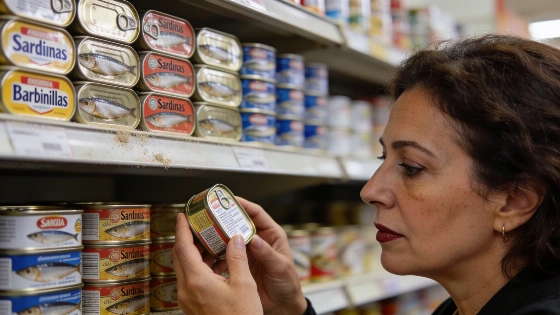
Starting in January 2026, not every small sardine in a Spanish tin will be called a "sardinilla." Under Real Decreto 1082/2025, which takes effect nationwide on 2 January 2026, only sardines that meet strict size, weight, and fishing ground requirements can use the name. Anything outside these limits will need a different label, ending years of loose definitions on supermarket shelves.
This isn't a ban on canned seafood, but a major change in how products are named and labeled. The new decree, published in December 2025, requires manufacturers to follow a national standard for product names. Regional terms can still appear, but only as a supplement to the official Spanish name. The goal is to make sure shoppers know exactly what they're buying, whether it's sardines, mussels, or cockles. According to Heraldo, the reform aims to unify labeling across Spain and reduce confusion by requiring official national names on packaging, with regional names allowed only as secondary information.
The rules for sardinillas are now clear. Only Sardina pilchardus caught in the Mediterranean and measuring between 11 and 15 centimeters (with an average weight of 10.7 to 25 grams), or from other fishing grounds at 11 to 13.7 centimeters (12.5 to 25 grams), will qualify. Any sardine outside these limits—no matter how it looks—can't be sold as a sardinilla. The fishing ground must be listed on the label so buyers can see at a glance whether the fish is from the Mediterranean or Atlantic. As reported by Heraldo, these criteria are based on scientific classifications referenced by FAO/ASFIS and are meant to bring Spanish labeling in line with international standards.
Producers have a transition period to adapt. Existing stock and packaging can stay on sale for up to a year, and any new changes to product names allow a six-month window for compliance, except for fresh and refrigerated goods. This is similar to the approach used in other food sectors, like the recent olive labeling changes, and is meant to avoid waste or sudden product withdrawals. Heraldo notes that this transition period is designed to minimize disruption for both businesses and consumers, giving time for relabeling and inventory adjustments.
Heraldo
The decree also clarifies other seafood terms. Words like 'ventresca', 'filete', and 'escabeche' now have specific definitions. For example, 'ventresca' must refer to the belly muscle of the fish, and 'anillas' can only describe perpendicular cuts from the mantle of cephalopods. Using these terms for the wrong part or preparation will be considered misleading and subject to enforcement.
The 1985 rules for canned mussels, clams, and cockles are officially repealed, but will stay in force temporarily until the new system is fully in place. This staged approach is meant to give both industry and consumers time to adjust, as seen in other regulatory updates such as those affecting public sector hiring, as reported earlier.
For shoppers, the changes mean clearer labels and easier product comparisons. For producers, it's a logistical and branding challenge that will require close attention to detail. The era of vague or regionally flexible seafood labels is ending, replaced by a system focused on accuracy and legal certainty.
This shift marks a new phase in Spain's approach to food labeling: tradition and marketing now give way to precision and consumer protection. The sardinilla name will remain, but only for those who meet the new standards. Others will need to find a new name—or a new way to stand out on the shelf.