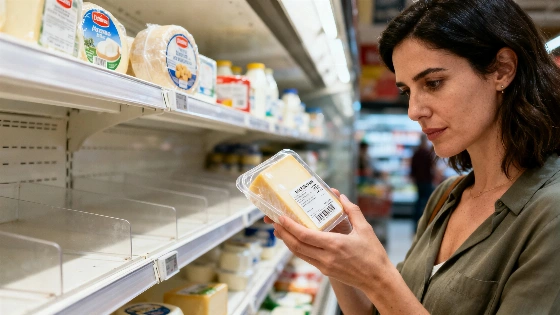
Spain Launches Massive Recall of Fresh Cheeses Over Listeria Threat. A major public health alert has been issued in Spain: fresh cow's milk cheeses from well-known brands are being urgently pulled from shelves after Listeria monocytogenes was detected. Consumers are advised to carefully check packaging and not to risk their health.
An urgent sanitary alert has been declared across Spain: fresh cow's milk cheeses from several brands are being withdrawn from stores and small retailers. The reason is the detection of the dangerous bacterium Listeria monocytogenes, which can cause a severe illness — listeriosis. According to the Spanish Agency for Food Safety and Nutrition (AESAN), products with a best-before date up to and including July 6 are at risk.
The list includes cheeses from Cerrato, Nativo, Goya, and Sabor de casa — both in classic plastic packaging of 250–325 grams, and in block form. Among them: “Queso fresco sabor mediterráneo” (Cerrato), “Queso costeño” (Nativo), “Queso estilo llanero” (Goya), as well as “Queso Latino” from three different brands. All are produced in Spain but are especially popular among lovers of Latin American cuisine, including people from Colombia and Venezuela.
The recall affects the entire country: these products were distributed not only to major supermarkets, but also to small shops and so-called 'locutorios' — retail outlets catering to migrants. This complicates monitoring and requires special attention from consumers: it is important to check not only the brand and product name, but also the packaging format and expiration date.
Symptoms of listeriosis may include vomiting, diarrhea, and fever. The infection is especially dangerous for pregnant women, the elderly, and people with weakened immune systems. If such symptoms appear after eating cheese, doctors advise seeking medical help immediately. For everyone else, the recommendation is clear: do not consume products from the list, even if they appear fresh.
Production of the mentioned cheeses has currently been suspended, and recalls from retail chains are ongoing. As noted by AESAN, the investigation into the cause of the contamination is still underway, and new details may emerge in the near future. It is important to remember that even if a purchase was made at a small shop or market, the packaging should be checked—risk is not limited only to major retailers.
Incidents of mass product recalls due to health risks are not new in Spain. For example, the country recently discussed large-scale infrastructure projects such as the construction of an underwater high-speed train between Dalian and Yantai—read more about this in the article about the largest railway tunnel in China. However, food safety alerts always attract special attention, as they concern the safety of millions of families.
As the investigation continues, the main advice for consumers is to carefully inspect packaging, not consume suspicious products, and seek medical attention at the first signs of symptoms. This simple step can help prevent serious health consequences.