Spain and the UK are moving to strengthen their partnership after a landmark Gibraltar agreement. The new deal promises smoother border crossings, deeper economic links, and a long-awaited royal visit.
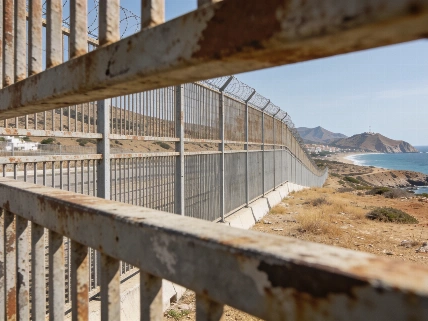
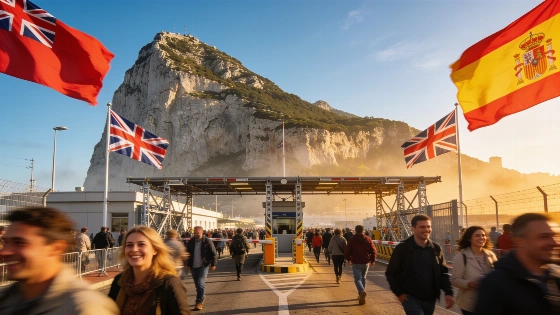
The recent agreement on Gibraltar’s status has triggered a major shift in Spain-UK relations, moving the focus away from decades of border disputes and towards a broader strategic partnership. The deal, which took effect at midnight on Wednesday, is expected to eliminate border queues and ease the movement of people and goods between Gibraltar and the surrounding Campo de Gibraltar region. This marks a significant change for thousands who cross the border daily and for the diplomatic agenda between Madrid and London.
Until now, the issue of Gibraltar—Europe’s last colonial territory—has dominated bilateral talks, often overshadowing the deep social and economic ties between the two countries. According to official figures, 408,000 UK nationals live in Spain, while 427,000 Spaniards reside in the UK. Tourism remains a key link: last year, 19 million British visitors spent over €23.5 billion in Spain, while 2.6 million Spaniards traveled to the UK, contributing £1.4 billion to the British economy. Air traffic between the two countries is among the highest in the world during summer months.
Economic relations are equally robust. The UK is Spain’s top non-EU export market, with a trade surplus of around €14.5 billion annually. Spanish investment in the UK is second only to the United States, totaling €83 billion and supporting more than 140,000 jobs. Major Spanish companies have secured high-profile contracts, such as Indra’s €1 billion deal to manage London’s public transport ticketing and Navantia’s construction of three logistics ships for the Royal Navy, valued at nearly €2 billion. Navantia has also proposed building amphibious ships in Belfast for both the UK and the Netherlands.
Beyond trade, cooperation extends to education and justice. Spain is the second-largest market for British private education, with 55,000 students enrolled. Law enforcement collaboration has led to the arrest of over 100 British fugitives in Spain in the past two years. However, political relations have lagged behind, with the UK’s prime minister not visiting Spain during his tenure and fewer opportunities for regular contact since Brexit removed both countries from shared EU institutions.
British ambassador Alex Ellis has acknowledged the need to rebuild the political framework, emphasizing that while the UK is no longer an EU partner, it remains a NATO ally. Recent high-level visits, including Spanish Prime Minister Pedro Sánchez’s trip to London and the signing of a 48-point strategic roadmap, have focused on expanding economic cooperation. In March, Rachel Reeves became the first UK Chancellor to visit Spain in over a decade, coinciding with the inaugural Spain-UK Trade and Investment Forum. Spain has since announced visa exemptions for British citizens providing services for stays under 90 days, and both countries have agreed on a roadmap to deepen collaboration.
Some areas of progress depend on broader UK-EU relations. The UK’s planned return to the Erasmus program in 2027 could encourage more Spanish students to study in Britain, though numbers are unlikely to reach pre-Brexit levels due to higher tuition fees. Residents who settled before the UK’s EU exit have retained their rights, but newcomers face more complex bureaucracy. Defense cooperation remains limited, with the UK excluded from the EU’s €150 billion SAFE program over financial disagreements.
The highlight of this new phase will be the state visit of King Charles III and Queen Camilla to Spain, expected in the second half of 2027. This will be the first visit by a British monarch in nearly four decades, following the 1988 visit by Queen Elizabeth II and reciprocating the 2017 visit of King Felipe VI and Queen Letizia to the UK. The timing is designed to avoid Spain’s electoral cycle. The British ambassador described the visit as a significant honor, noting that such events were previously complicated by the Gibraltar dispute.
The Gibraltar agreement is seen by Spanish Foreign Minister José Manuel Albares as the final piece of the Brexit puzzle, ensuring permanent free movement and addressing past fiscal and environmental issues. The deal is expected to open new opportunities for both regions and marks a turning point in bilateral relations. For further background on the dismantling of Gibraltar’s border fence and its impact on local communities, see this detailed report: removal of the Gibraltar barrier and its effects on daily life.
Gibraltar’s future remains complex, with the implementation of the new treaty requiring ongoing work in customs, labor, policing, and environmental cooperation. However, the removal of border bottlenecks is expected to free up diplomatic resources for broader collaboration. As Spain and the UK move forward, the focus is shifting from old disputes to shared interests in trade, education, and security, reflecting the deep connections between their citizens and economies.