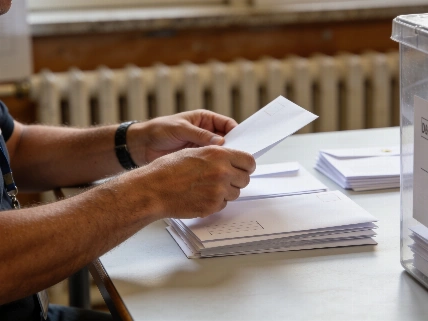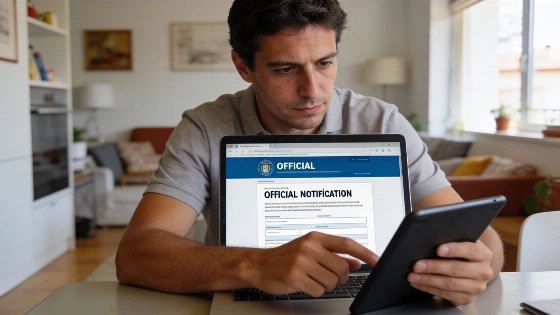
From September, Spain’s Social Security will stop sending sick leave notifications by post. All official communications will now arrive via email or SMS. Workers must respond online or book an appointment for paper copies.
Starting September 1, Spain’s Social Security will no longer send postal letters to workers on sick leave. Instead, all notifications and official communications will be delivered exclusively through email or SMS. This shift, driven by a government reform, aims to streamline interactions between the Tesorería General de la Seguridad Social and citizens, prioritizing digital channels and reducing paperwork.
Anyone applying for or already receiving temporary incapacity benefits will now receive notifications electronically. The only exception: those who visit a Social Security office in person and request paper notifications in writing. While SMS alerts have been common for updates on medical leave status, the formal, legally valid communication is now digital and accessible through the Sede Electrónica de la Seguridad Social (SEDESS).
To access these notifications, workers must have up-to-date digital identification, such as a digital certificate, Cl@ave permanente, Cl@ave móvil, or electronic DNI. It is essential to ensure that Social Security has current contact details, which can be checked via the Import@ss portal. The change also affects people awaiting recognition of permanent incapacity or non-incapacitating permanent injuries. Medical review appointments and requests for additional documentation from the INSS or local medical authorities will now be sent electronically.
Under the new system, a notification is considered received either when the worker opens it online or after ten calendar days from the date it was sent. Failing to open a notification does not exempt the recipient from its legal effects. Once the ten-day period passes, deadlines for appeals or claims begin, regardless of whether the notification was read. Legal experts warn that technical issues or missed alerts do not invalidate a properly issued electronic notification. For this reason, beneficiaries are advised to check the Sede Electrónica regularly, rather than relying solely on email or SMS alerts.
Other Social Security benefits, such as parental leave payments, have already used electronic communication for some time and will continue unchanged. However, retirees and recipients of orphan or widow pensions will still receive paper letters as before. The move to digital notifications is part of a broader trend in Spanish administration to reduce bureaucracy and modernize public services. In a similar vein, disruptions to daily life caused by administrative changes have been seen in other sectors, such as the recent metro sinkhole in Barcelona, which forced residents to adapt to new routines and highlighted the impact of sudden procedural shifts. For more on how infrastructure changes affect local communities, see this report on Barcelona’s metro sinkhole and its consequences for residents.
Spain’s digital transition in public administration reflects a wider European movement toward e-government. The country has invested heavily in digital infrastructure, aiming to improve efficiency and accessibility. However, the shift also raises concerns about digital literacy and access, especially for older citizens or those without reliable internet. The government has introduced support measures, including digital assistance points in Social Security offices, to help bridge the gap. As more services move online, the importance of keeping personal data updated and understanding digital procedures becomes increasingly critical for Spanish residents navigating the evolving landscape of public administration.