Spain’s annual inflation reached 4.9% in September. Eggs rose 12.3%, while supermarkets say energy and logistics bills have added more than €130 million in costs.
On 14 October, Spain’s National Statistics Institute, the INE, confirmed September’s final inflation reading. The 4.9% annual rate was up from 4.3% in August and the highest since February 2023. Consumer prices rose 0.3% month on month.
Some fresh foods are already climbing much faster than the overall rate.
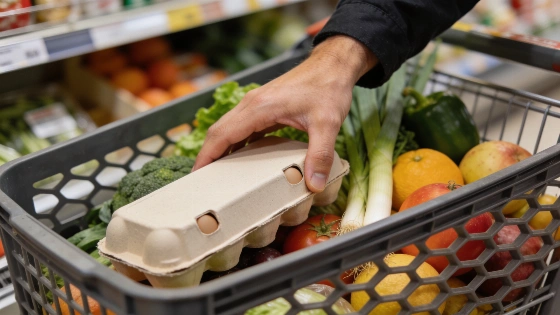
Egg prices rose 12.3% year on year, according to the INE. Fresh legumes and vegetables were up 9.8%. Fresh fruit rose 9.6%, while beef prices increased 7.9%. The average annual increase for food prices was 2.7%. The EU-harmonised HICP measure reached 5.0% in September, compared with 4.6% in August.
Perishable goods move quickly from production to sale, leaving less time for businesses to absorb rising costs than they have with goods that can be stored. The figures do not show that supermarkets have passed their higher costs on across the food sector. They do show steeper increases in several fresh foods.
ASEDAS, the Spanish association for distributors and supermarkets, also represents self-service stores. It says businesses face between €20 million and €25 million in extra costs each month. The association attributes the pressure to electricity bills. It also points to higher fuel costs and plastic packaging materials.
Electricity adjustment services were 53% more expensive than in October 2025, ASEDAS reports. Diesel prices were 35.5% higher over the same comparison. Plastic raw materials had risen 25% in the past year. ASEDAS links that increase to the conflict in the Middle East and its impact on the petrochemical industry.
Underlying inflation reached 3.1% in September, up 0.2 percentage points over the month, according to the INE. The measure excludes energy and unprocessed food, whose prices are more volatile. It stood four-tenths of a percentage point above its February level, before the conflict in the Middle East began. After Russia’s invasion of Ukraine, underlying inflation reached 6.2% in September 2022, compared with 3% before the invasion.
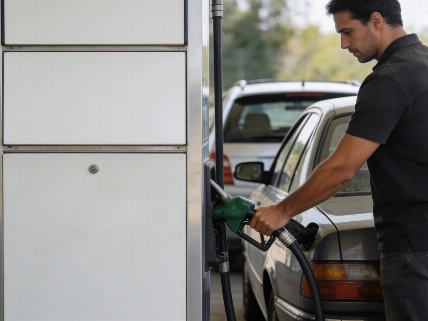
Transport drove most of September’s acceleration. Inflation in the category reached 10.5% amid higher fuel and lubricant prices, the INE said. Fuel prices rose 64.7% year on year amid the war in Iran, according to the report. The Bank of Spain and the European Central Bank are watching for the initial energy shock to feed into prices for other goods and services. Economists call that spread second-round effects.
Two weeks ago, Bank of Spain Governor José Luis Escrivá said indirect effects were becoming visible in energy and other components. At that point, the institution had not detected second-round effects.