Izquierda Unida, Más Madrid, Comuns and Movimiento Sumar will present the Frente Amplio on October 17. They still need to agree on its leadership and Podemos' role before a possible early election narrows the window for negotiations.
Izquierda Unida, Más Madrid, Comuns and Movimiento Sumar are due to present the Frente Amplio on October 17, but have yet to settle its leadership or Podemos' role. If Pedro Sánchez calls an election for November 29, the legal deadline for registering coalitions would fall on October 16, leaving the parties only hours to finish talks that have stalled for most of the year.
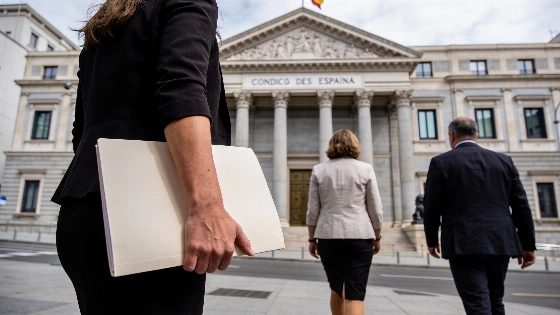
On October 2, Congress rejected the Government's two housing decrees. The first vote failed by 178 to 172; the second ended 184 to 166, information from Reuters, AP, BBC and DW. PP and Vox supplied votes to bring them down, joined by Junts.
The defeat came as housing pressure was already spilling into the streets. Hundreds of thousands of people demonstrated in several cities the next day, demanding solutions to a crisis now affecting several generations. The rejected package went beyond direct housing assistance: it included a ban on evictions of vulnerable tenants until 2030 and an extension of the rent freeze. It also tightened rules for short-term rentals and allowed automatic or indefinite lease renewals.
Housing now gives the new alliance its clearest political argument. The issue must remain at the centre of the next electoral cycle.
The defeat also exposed the cost of eight months of hesitation. Yolanda Díaz gave up the candidacy, leaving the space without an agreed structure or leader.
Junts had signalled before the vote that it would oppose the decrees and demanded a new version of the text. Reuters and BOE coverage reported that, after Congress rejected them, the repeal of both royal decrees was published in Spain’s Official State Gazette, confirming the legal effect of the parliamentary defeat.
The leadership question remains open. Mónica García is one of the strongest options among groups on the alternative left. Under the proposal, the Sanidad minister would lead the Madrid list, while Ernest Urtasun would head the Barcelona candidacy.
Ada Colau also has support inside the alliance. Pablo Bustinduy has ruled himself out; he had led the space's parliamentary and negotiating work on housing. None of the names has been confirmed, and the leadership remains part of an internal negotiation.
Podemos is the hardest piece to fit into the plan. Its leaders want open primaries and are backing Irene Montero for the top position. Más Madrid rejects that method, while Izquierda Unida is willing to consider it. The parties still have no agreement on the voting system. An early election would make the process exceptionally difficult.
The housing dispute has exposed the left's central problem: the issue connects the new alliance with public anger, while the parliamentary defeat has made internal division more costly.
Earlier housing coverage showed how the same vote can become a policy dispute and an electoral weapon for opposing parties. The BBC reported that the defeat also increased pressure on Sánchez to call an early election.
A wider meeting is scheduled for Monday. Compromís and Chunta Aragonesista have been invited, along with Més and Sumar's five ministers. The group wants to widen the alliance and settle competing demands ahead of a common position before October 17.
Sumar sped up the effort after the housing defeat and protests. The October 17 presentation is now the next public test.
The Frente Amplio is being built against a deadline. Its launch will show whether the parties have turned the housing defeat and street protests into a working electoral project, or whether the same leadership dispute will reappear under a new name. The alliance must include Podemos and resolve the primaries question before the calendar closes in.