Stage 8 of the Vuelta a España 2026 features a decisive third-category climb near Valencia. The Barx ascent could disrupt plans for a mass sprint and open the door for breakaways.
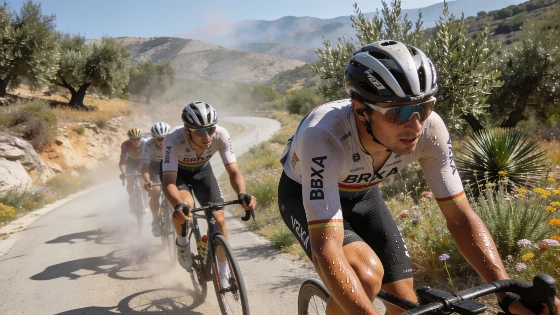
The eighth stage of the Vuelta a España 2026 brings a crucial test for sprinters, as the peloton faces a route shaped by the demanding Barx climb just outside Valencia. After a lengthy transfer from Valdelinares, where teams spent the night either near the ski resort or in the city itself, riders are preparing for a day that promises both speed and tactical uncertainty. The Barx ascent, stretching 4.7 kilometers at an average gradient of 5.6%, stands as the main obstacle before the finish and could determine whether the stage ends in a bunch sprint or rewards a successful breakaway.
Despite being classified as a third-category climb, Barx is expected to play a decisive role, especially given the forecast for high temperatures and humidity along the coastal route. Teams with strong sprinters will need to control the race tempo, but the climb's position late in the stage may encourage aggressive moves from riders seeking to escape the pack. The outcome could hinge on whether squads like UAE, led by Pogacar, choose to chase down attacks or conserve energy ahead of the following day's summit finish at Aitana.
Recent results have shown how hard-fought victories are in this year's Vuelta. In Valdelinares, Norwegian rider Leknessund became the third different stage winner, joining Pogacar and Brennan, while the stage at Font Romeu was left without a winner due to a hailstorm. This competitive dynamic has made early breakaways increasingly attractive, with riders such as Van Aert and Pedersen—both active in previous stages—likely to feature again. However, pure sprinters like Meeus remain favorites if the peloton stays together through Barx.
Movistar's focus will be on supporting Enric Mas, aiming to keep him out of trouble and in good condition for the demanding mountain stage ahead. Every day in the Vuelta brings new challenges, and the tactical choices made on the road to Valencia could have lasting effects on the general classification. The unpredictable nature of this stage echoes the broader tension seen in Spanish cycling events, where weather, terrain, and team strategies often combine to produce unexpected outcomes. For context, the logistical and organizational challenges faced by major sporting events in Spain have parallels in other sectors, as seen when Barcelona residents were forced to leave their homes for months after a metro sinkhole.
The Vuelta a España remains one of the most prestigious cycling races in the world, drawing international attention each year. The 2026 edition continues this tradition, with stages designed to test both individual talent and team coordination. The region around Valencia is known for its varied terrain, making it a frequent choice for decisive race moments. As the race progresses, the combination of heat, coastal humidity, and challenging climbs like Barx will shape not only stage results but also the overall standings. Fans and teams alike are watching closely, knowing that every stage can shift the balance in the fight for the red jersey.