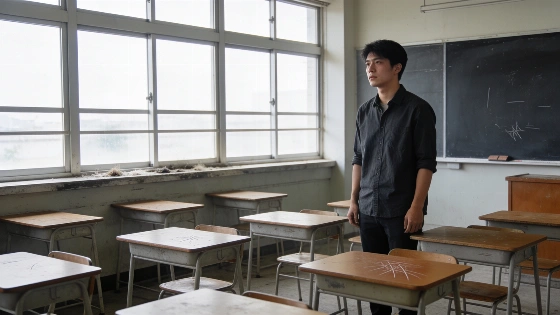
Taiwan’s schools are finding it harder to fill teaching jobs, especially in science, as graduates choose better-paid tech work. New discipline rules and rising parental complaints add to the pressure, leaving even top schools short-staffed.
This year, a top junior high school in Taipei couldn’t find enough physics and chemistry teachers—a sign of a growing teacher shortage across Taiwan. Seven science teaching jobs went unfilled, and similar gaps are appearing nationwide, putting pressure on classrooms everywhere.
The main reason is a shift in what young graduates want to do. Taiwan’s booming semiconductor industry has made tech jobs much more appealing, especially for those with science or engineering degrees. Wu Ming-chieh, who teaches civics and social studies at the Affiliated Chu Pei Senior High School of National Yang Ming Chiao Tung University, says the tech sector’s pull is so strong that even students are changing their plans. Where half his school’s classes once focused on the humanities, now only two do. Most students now aim for science and engineering—and, eventually, industry jobs, not teaching.
By the start of the 2026 school year, hundreds of teaching positions across Taiwan remained unfilled, with the most acute shortages in STEM subjects such as physics and chemistry.
Recruitment numbers from Taiwan’s six special municipalities show how serious the problem is. Taipei advertised 56 physics and chemistry teaching jobs but filled only 30. Taoyuan filled less than half of its 41 positions, and New Taipei hired just 10 out of 20 needed teachers. The shortage isn’t limited to science. Taiwan has 230,000 certified teachers, but only about 155,000 are working in schools. That leaves 75,000 qualified teachers outside the classroom, mostly those certified for junior and senior high schools.
Pay isn’t the only reason teachers are leaving. New rules on discipline have made the job riskier. Since 2020, the Ministry of Education’s school incident review meetings have let parents file complaints against teachers for perceived misconduct. The system was meant to weed out truly unfit teachers, but in practice, it’s become a way for parents to intervene in daily classroom management. Teachers can now face formal investigations for routine actions, like writing students’ class numbers on the blackboard to remind them about homework—a practice recently banned after a parent complained.
Vincent Yeh Ching-chi, who leads the National Federation of Teachers Unions, says the current system puts teachers in a tough spot. They’re legally required to keep order but risk complaints for almost any action. Yeh recalls a case where a student secretly recorded a teacher for a month, then filed a list of grievances. Even when complaints are dismissed, the process is stressful, especially for new and substitute teachers, and it discourages many from staying in the profession.
According to reports in major Taiwanese media, many schools have had to increase the workload of existing staff, with some teachers taking on overtime and others filling gaps with temporary or underqualified personnel. This has raised concerns among unions and education experts about the long-term impact on teaching quality and teacher burnout.
To avoid trouble, some teachers now stick strictly to the basics, doing only what’s required. This “defensive teaching” means less extra help for students and fewer adjustments to meet individual needs. In January, the Ministry of Education tried to address the problem by banning anonymous complaints and tightening the review process. Complaints dropped: in the first five months of this year, 313 were filed, down from 586 in the same period last year. More cases are now dismissed early—35% at the first stage—while only 22% go to a full review.
Still, there’s no agreement on how to fix the system. The Legislative Yuan’s Education and Culture Committee recently sent proposed changes back for more work, leaving the issue unresolved. Some in education want to scrap the review meetings altogether. Others, like Wu Ming-chieh, say real cases of inappropriate discipline still need to be addressed. Both Wu and Yeh think frivolous complaints should come with a cost, such as a fee refunded only if the complaint is upheld.
Despite the difficulties, some young teachers are sticking with the job. Lin Yu-hsiang, a 31-year-old substitute teacher, went back to graduate school to finish his training and started a six-month practicum in August. He worries about future complaints but says fear shouldn’t stop those who believe in teaching. Many of his classmates, though, have already left for tech jobs.
Taiwan’s teacher shortage is part of a wider trend seen elsewhere, like the recent funding crisis in Andalusian universities. Both cases show how outside economic pressures and internal policy changes can disrupt even established education systems, leaving students and teachers to deal with the fallout.
As the government tries to balance accountability with the realities of school life, the current approach risks driving away the very teachers it needs. Heavy parental oversight, bureaucracy, and the lure of higher-paying tech jobs have turned teaching from a stable career into a risky choice. Unless policymakers find a way to restore trust and give teachers more autonomy, Taiwan’s schools could face a talent drain that rules alone can’t fix.