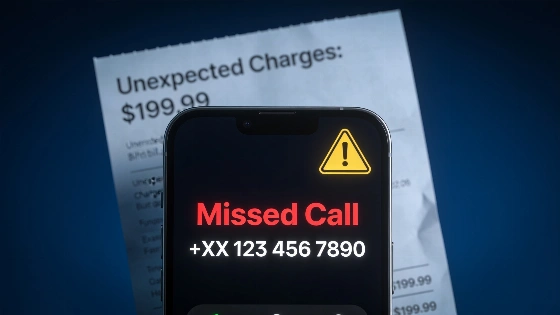
A missed call from an unknown international number may be more than a simple mistake. The Wangiri scam lures people into calling back, triggering costly charges. Here’s how the scheme works and what you can do to protect yourself.
A single missed call from an unfamiliar international number can be the start of an expensive mistake. The Wangiri scam, which has quietly targeted mobile users across Spain and beyond, relies on a simple trick: making your phone ring just long enough to leave a missed call notification, then counting on your curiosity or concern to do the rest.
Scammers use automated systems to dial thousands of numbers, hanging up almost immediately. The term "Wangiri" comes from Japanese, meaning "one (ring) and cut." If you return the call, you may be connected to a premium-rate or international line, where every second racks up charges that are not covered by standard mobile plans. Sometimes, you’ll hear a recorded message, music, or even silence—anything to keep you on the line and increase the cost.
How the Wangiri Scam Operates
The mechanics are straightforward. The scammer’s number often appears with a foreign country code, and the call is deliberately brief. In some cases, the missed call is followed by a text or voicemail, posing as a delivery service, bank, or technical support, urging you to call back urgently. The goal is to provoke a quick reaction before you have time to check the number’s legitimacy.
Once you return the call, you may be routed to expensive international destinations or special-rate services. The charges can be significant and may only become apparent when your next bill arrives. According to Movistar, suspicious prefixes include +258, +216, +220, +882, +374, +235, +248, +504, and +250, but scammers frequently change numbers to avoid detection.
Warning Signs and Risk Numbers
There is no definitive list of dangerous numbers, but certain patterns should raise red flags. Receiving a call from a country with which you have no connection, especially if the call is extremely brief or repeats several times, is a common sign. If you answer and no one speaks, or you are asked to call back urgently, caution is advised.
Legitimate companies rarely, if ever, require customers to return international calls to resolve urgent matters. If you receive a suspicious missed call claiming to be from your bank, insurer, or a delivery service, it is safer to use the official contact details published on their website or app.
How to Protect Yourself
The most effective defense is simple: do not return missed calls from unknown numbers, especially those with foreign prefixes. The Spanish consumer organization OCU recommends verifying the caller’s identity before calling back, as the financial impact may only become clear when your bill arrives.
You can search the number online, block it on your device, and activate spam filters provided by your phone or mobile operator. If you have already called back and notice unusual charges, contact your provider to dispute the bill and keep records of the call for any potential complaint to authorities.
The Wangiri scam works because it exploits curiosity and urgency. Taking a moment to check the origin of a missed call—especially one from abroad—can prevent unnecessary costs and frustration.
As Spain tightens regulations on commercial calls, including new rules for identifying and blocking unauthorized sales numbers, scammers continue to adapt. Staying alert and cautious remains the best protection against these evolving tactics.