Hotel guests in Spain are finding it harder to secure early check-in or late check-out. Behind this shift are stricter cleaning routines, increased pressure on housekeeping staff, and the rise of paid flexibility. The result: less time in your room, unless you pay extra or book direct.
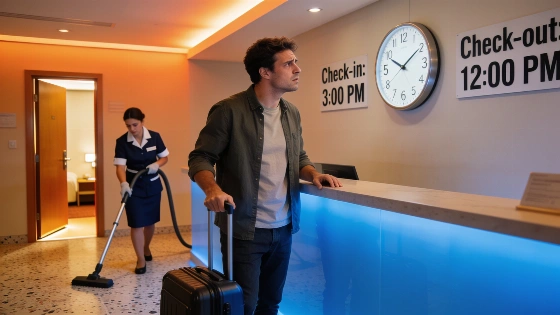
Arriving at a hotel only to be told your room won’t be ready until late afternoon has become a familiar frustration for travelers across Spain. At the same time, guests are increasingly required to vacate their rooms by midday—sometimes even earlier—leaving many feeling shortchanged on the time they actually spend in the accommodation they’ve paid for.
This tightening of check-in and check-out windows is not accidental. According to industry insiders, the shift is driven by a combination of operational necessity and commercial strategy. As occupancy rates climb, hotels need more time to turn over rooms, and the pressure on cleaning staff has never been higher.
Cleaning Demands Shape the Clock
When one guest leaves, a race begins behind the scenes. Housekeeping teams must strip beds, sanitize bathrooms, restock amenities, and report any maintenance issues—all before the next arrival. In busy hotels, a four-hour gap between check-out and check-in is often the only way to ensure hundreds of rooms are ready on time. The president of the Kellys Association in the Balearic Islands notes that a typical housekeeper may be responsible for cleaning 20 to 30 rooms per day, depending on the hotel’s size and category.
Earlier departures give staff a crucial buffer, allowing reception to assign clean rooms to guests who arrive in the morning and preventing a bottleneck of arrivals later in the day. But this efficiency comes at a cost: guests may find themselves with less than 20 hours of actual room access for each night booked.
Housekeepers Under Pressure
The new schedules are also a response to the realities faced by cleaning staff. A recent survey of 504 hotel workers found that 82% experience significant physical strain, and 87% admit they must rush to finish their tasks. Only 13% feel they have enough time to clean each room properly. Extending the window between check-out and check-in can ease this burden, but some workers argue that hotels are simply reducing staff numbers and expecting the same output.
Tourism demand continues to rise. In May 2026 alone, Spanish hotels recorded over 36.3 million overnight stays—a 2.5% increase from the previous year, according to the National Statistics Institute. As a result, the pressure on both staff and schedules is unlikely to ease soon.
Flexibility Now Comes at a Price
What was once a courtesy—letting guests check in early or leave late—has become a paid service in many hotels. Some chains offer these perks to loyalty program members, but for most travelers, early check-in and late check-out now come with a fee. Hotels argue that guaranteeing a late departure means blocking the room for longer and reorganizing cleaning shifts, which impacts their bottom line. It’s important for guests to remember that the price of a night’s stay typically covers a set window of use, not a full 24 hours.
Direct Booking Offers More Leverage
Booking directly with a hotel can sometimes open the door to more flexible arrangements. By contacting the property in advance, guests can notify staff of their arrival time, request a late check-out, or ask about luggage storage options. While direct reservations don’t guarantee special treatment—availability still depends on occupancy and room turnover—they do offer a better chance to negotiate than standardized online platforms.
For travelers concerned about access and safety, it’s worth noting that even small habits can impact your stay. For example, as highlighted in a recent article on emergency preparedness, leaving your key in the door overnight can delay rescue efforts in a crisis. Read more about how simple routines can affect your hotel experience.
As Spain’s tourism sector continues to evolve, guests should expect stricter schedules and more paid add-ons to become the norm. Planning ahead and communicating directly with hotels may offer some flexibility, but the era of guaranteed early check-in or late check-out is fading fast.