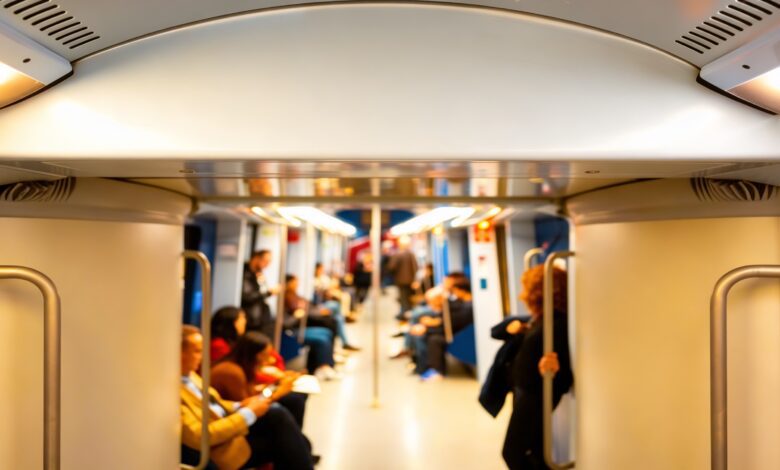
The reopening of Madrid Metro line 7B has been one of the most significant events for residents in the region in recent years. After an extended closure and major infrastructure reinforcement works, the line once again connects key districts, immediately improving the mobility and daily lives of thousands. According to El Pais, 3.3 million passengers used the line in the four months after it reopened, underscoring the project’s importance for the entire Henares Corridor.
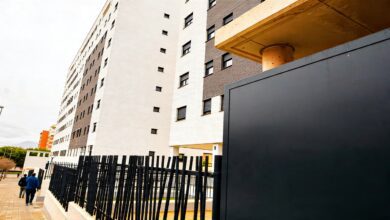
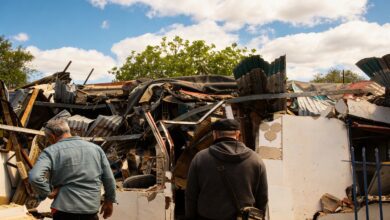
The large-scale reconstruction was prompted by serious problems with underground utilities, which had caused dozens of homes to collapse in San Fernando de Henares. During the repairs, 73 residential buildings were demolished, and another 260 remain under constant monitoring due to the risk of further damage. Regional authorities invested €171 million in restoring the line and plan to allocate an additional €2.7 million soon for waterproofing and ground reinforcement.
Technology and monitoring
To ensure safety along the line, modern monitoring methods were implemented. In the tunnels, 179 special sensors track even the slightest ground movement. In addition, specialists from Universidad Politécnica analyze satellite images to promptly identify any potential deformation. On the most challenging sections, laser sensor data is collected daily, enabling rapid response to any changes.
Despite the completion of major works, maintenance and geotechnical monitoring are ongoing. Authorities stress that the line now meets the strictest safety standards, but eliminating all risks is still not possible. In the coming weeks, certification of all new structures is expected to be finalized, along with additional checks of the drainage systems.
Social impact
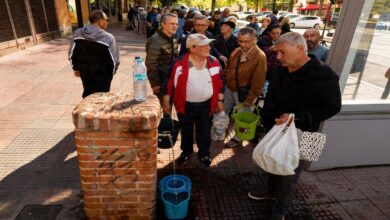
The opening of the line has not solved all the problems for residents of San Fernando de Henares. Many families are still waiting for compensation for their lost homes and are forced to go to court. According to El Pais, the regional government has already paid 13 million euros in 86 cases, but more than 300 families have been affected. People remain anxious about the risk of new cracks and fear a repeat of the situation.
The psychological impact on residents has been as severe as the material losses. Many are still receiving help from specialists to deal with trauma caused by relocation and ongoing repairs. Some homes remain at risk of new structural issues, and neighbors keep a close watch on their walls and utility systems.
History and causes
The problems of line 7B date back to its construction during the government of Esperanza Aguirre. At that time, the project was fast-tracked to be completed before the 2007 elections. However, this rush led to mistakes: local soil characteristics and the presence of water, combined with salts, triggered a karstification process, causing ground subsidence and damage to buildings.
Since its opening, line 7B has been repeatedly closed for repairs, with total shutdowns lasting more than seven years. During this period, hundreds of residents have faced forced relocations, disruptions to utilities, and ongoing construction noise. Despite the restoration of train service, many residents are still unable to return to their normal routines.
In recent years, Spain has already seen cases where large infrastructure projects have had unforeseen consequences for local communities. For instance, the construction of new metro lines in Valencia and Barcelona also led to problems with ground subsidence and building damage. Authorities were forced to tighten quality controls and introduce new monitoring technologies. These situations highlight the importance of thorough planning and continuous oversight in major transportation projects.