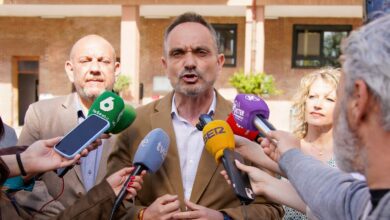
In Catalonia, a political conflict is intensifying over the launch of a pilot project to deploy ‘mossos d’Esquadra’ officers in several secondary schools. Lawmakers from Esquerra Republicana, Comuns, and CUP have officially demanded that the heads of the education and interior ministries address parliament. They are insisting on clarification of the initiative, which authorities have not yet submitted for parliamentary discussion or coordinated with the education community.
Esquerra Republicana has taken an especially firm stance. In a published statement, the party is demanding that the government led by Salvador Illa review its decision. According to the Republicans, introducing police officers into schools without parliamentary debate or consultations with teachers could lead to discrimination against certain educational institutions. They label the project ‘populist’ and believe it is doomed to fail in its current form. Instead, Esquerra Republicana proposes increasing the number of teachers, hiring more support specialists, and improving infrastructure in schools facing difficulties.
The Comuns party has also opposed the presence of ‘mossos’ in educational institutions. In their view, issues of school discipline and safety should be addressed through pedagogical and social methods, not by police measures. Comuns are calling for the cancellation of the pilot project and highlight the lack of dialogue with teachers and parents. CUP has joined the criticism, supporting demands for a public report from the ministers and emphasizing that a significant part of the education sector does not support the initiative.
The authorities’ position
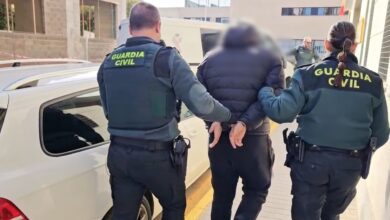
Catalonia’s Minister of the Interior, Núria Parlon, insists that the project is aimed at reducing adolescent aggression. According to her, the initiative is being implemented at the request of the Department of Education and envisions that the ‘Mossos’ will not only provide security in schools, but also perform educational functions. The program will launch as a pilot in 13 educational institutions, and if successful, it may be extended to other schools upon their request. Parlon believes that this approach will help strengthen violence prevention among the youth.
Response and context
The debate over the role of police in educational institutions has become one of the most contentious topics in Catalan politics. As EL PAÍS notes, the opposition is demanding transparency and open discussion, while a significant number of educators express concerns about possible negative consequences for the school environment. The question of whether such measures are acceptable has repeatedly been a subject of dispute in Spanish regions. Similar conflicts between authorities and the opposition have previously arisen over other high-profile issues, such as the situation involving support for former Prime Minister Mariano Rajoy, when the leadership of the Partido Popular publicly changed its stance on the Kitchen case.